
The cheapest backyard upgrades are the ones that make a yard look finished: crisp edges, fresh mulch, a clear place to sit, and some light after dark. Most of the 15 ideas below cost under $100 and take a weekend or less. The cost ranges are rough estimates for doing the work yourself, and prices vary by region, so check a local supplier before you buy.
Start by Walking the Yard
Before you buy anything, walk the yard and look for three problems: bare dirt or patchy grass, messy bed edges, and nowhere obvious to sit or walk. Fix those and the yard starts to look planned.
15 Cheap Backyard Ideas
1. Edge Your Lawn and Beds
Rough cost: free to $40. Difficulty: easy.
A sharp line where the lawn meets a bed or path makes the whole yard look cared for, even if you change nothing else. A flat spade works. A half-moon edger is faster. Cut straight down about 3 inches deep and pull the grass back toward the lawn. Do this before you mulch, because mulch looks far better against a clean edge.
2. Spread Fresh Mulch
Rough cost: free to $150. Difficulty: easy.
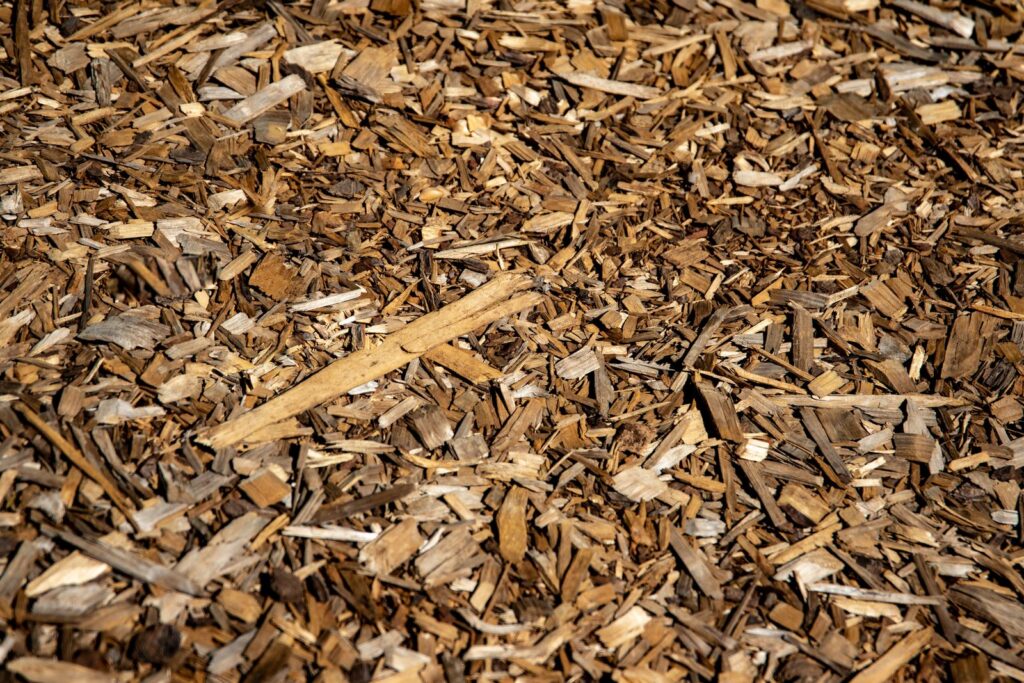
Mulch covers bare soil and keeps weeds down. According to Lawn Love’s 2026 cost guide, bagged mulch runs $2 to $13 a bag and covers about 10 square feet at 2 inches deep, while bulk mulch costs $30 to $135 per cubic yard. For a few beds, bags are easier. For a whole yard, bulk is cheaper.
Wood chips can be free. Tree services often give away chips from local jobs, and many cities offer free mulch or compost to residents. If you have a dog, skip cocoa bean hull mulch. It contains theobromine, the compound that makes chocolate toxic to dogs, and Poison Control recommends shredded hardwood instead.
3. Lay a Gravel Path
Rough cost: $75 to $300 for a short path. Difficulty: easy to moderate.
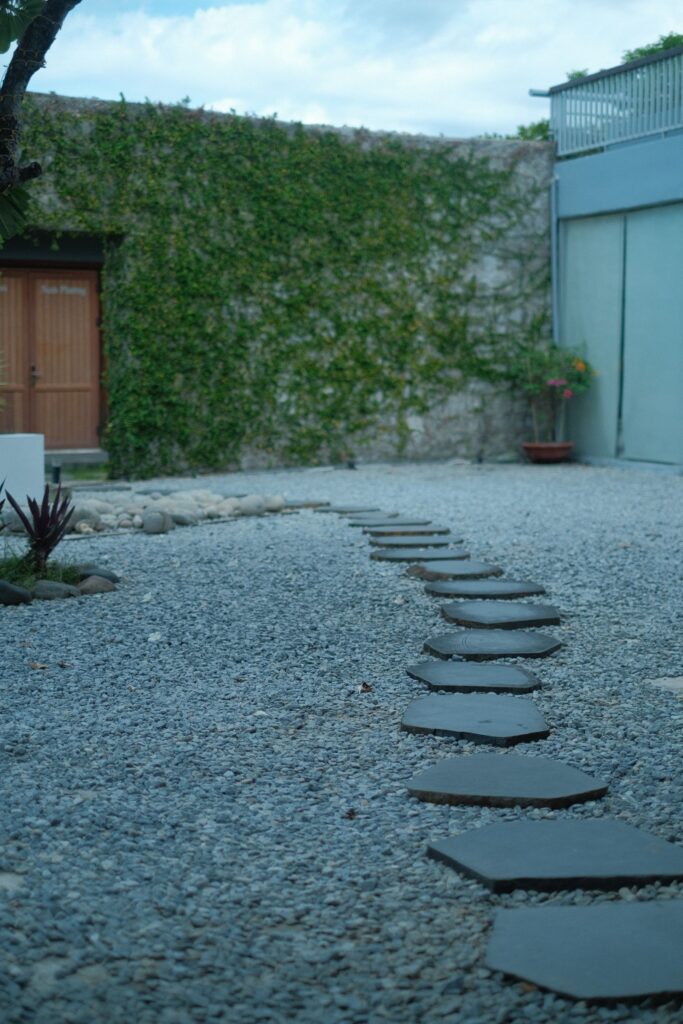
Gravel costs a fraction of pavers or poured concrete, and you can lay it in an afternoon. Dig out 3 to 4 inches, lay landscape fabric to slow weeds, and add edging on both sides so the gravel stays out of the lawn. Flat stepping stones set into the gravel make it easier to walk on. Our DIY garden path ideas cover other cheap materials.
4. Add Solar Path Lights
Rough cost: $25 to $100. Difficulty: easy.
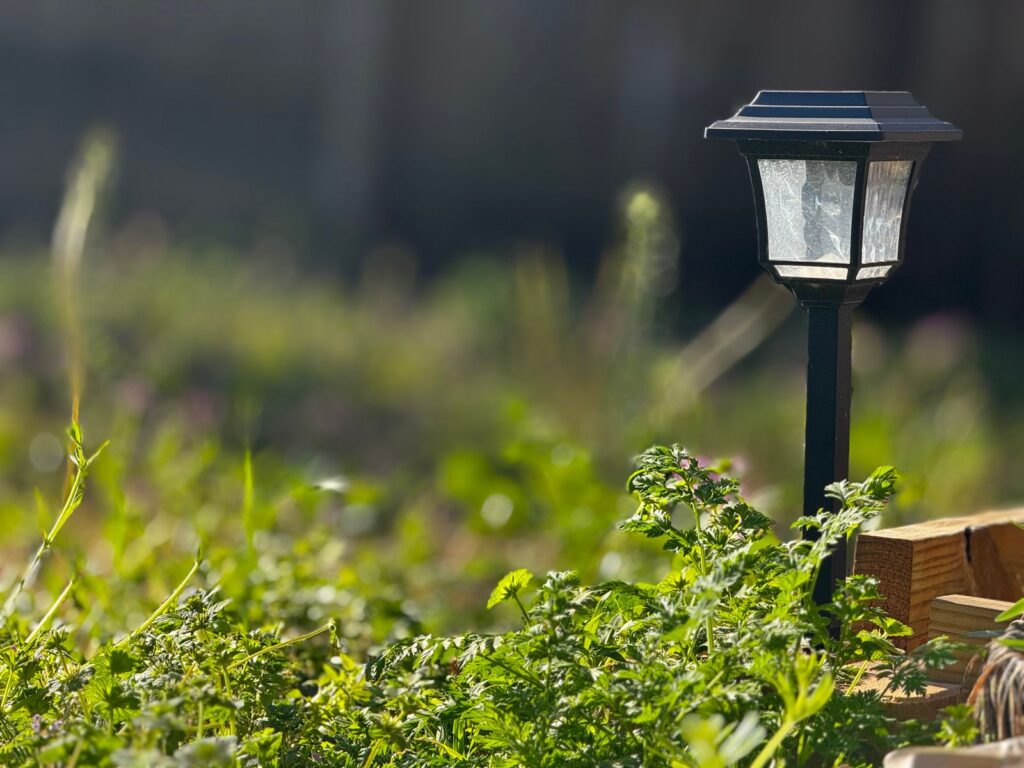
Solar lights need no wiring and switch on by themselves at dusk. They are dimmer than wired lights and fade after cloudy days, so use them to mark paths and bed edges, not to light a whole patio. Stagger them on alternate sides of a path rather than in a straight runway line. For a bigger plan, see our landscape lighting guide.
5. Hang String Lights
Rough cost: $20 to $60. Difficulty: easy.
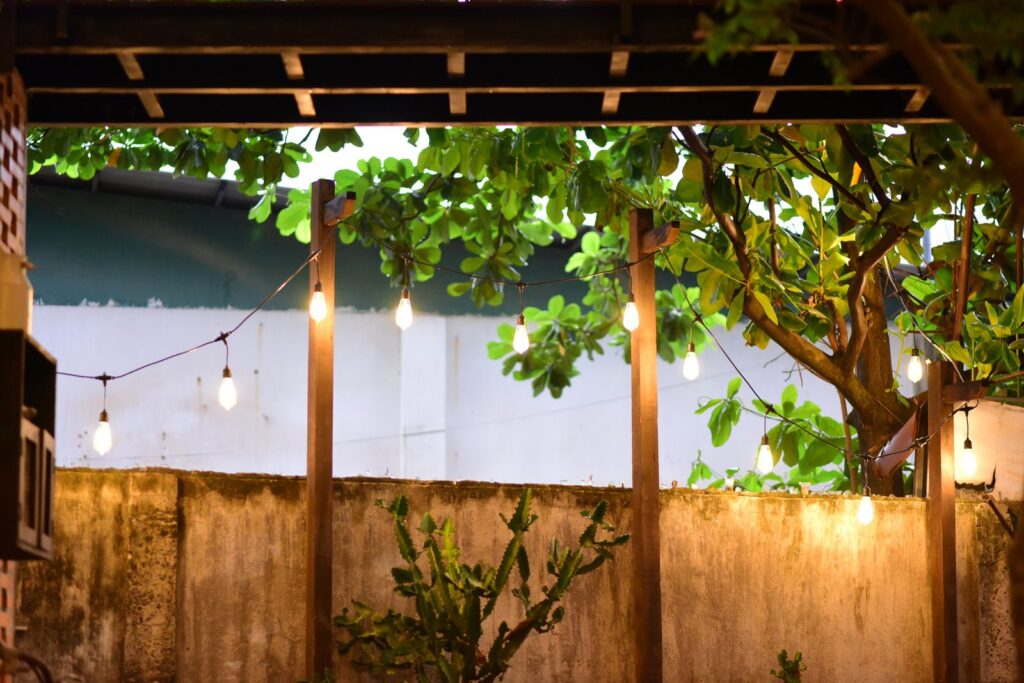
Nothing else at this price changes a seating area at night as much as string lights. Run them from the house to a fence, a tree, or a pair of posts set in buckets of concrete. Buy strands rated for outdoor use and plug them into a GFCI-protected outdoor outlet.
6. Make a Simple Seating Area
Rough cost: $100 to $500. Difficulty: moderate.
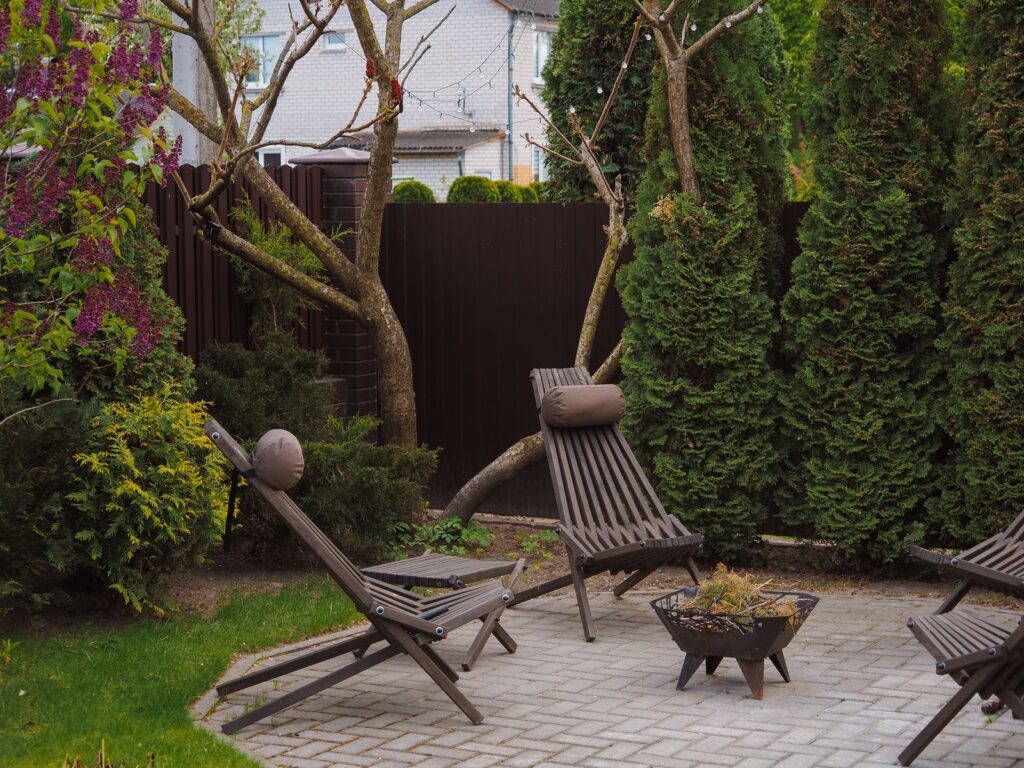
You don’t need a patio to have somewhere to sit. Level a small square of ground, cover it with gravel, and add two chairs and a side table. A shady corner or a spot with a view of the garden works best. If you later want something more permanent, our guide to planning a patio covers size and materials.
7. Build a Block Fire Pit
Rough cost: $150 to $600. Difficulty: moderate.
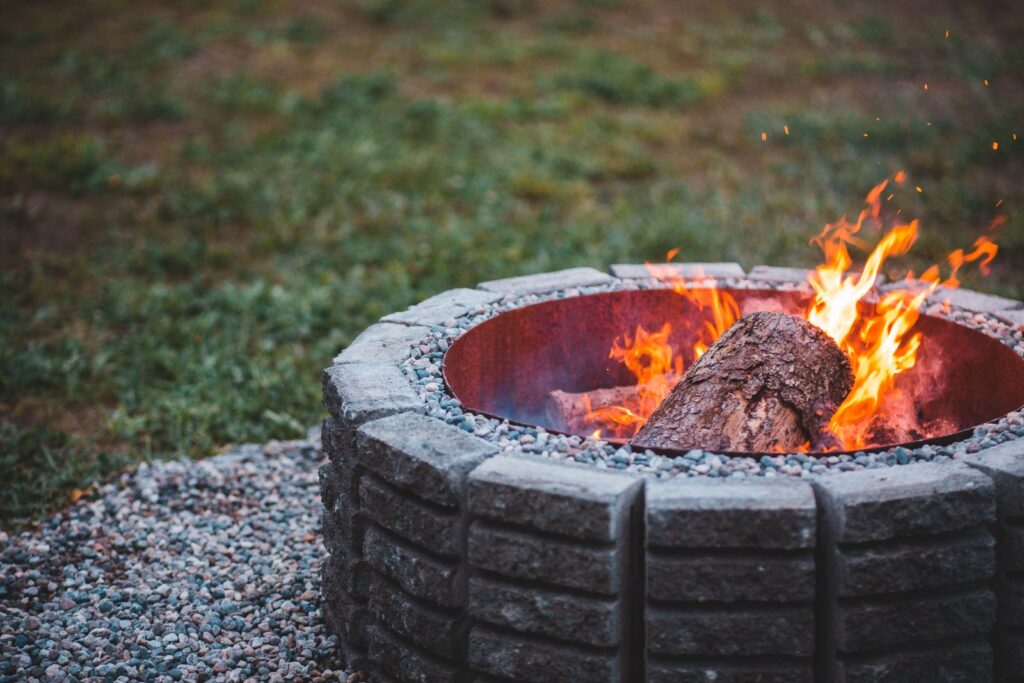
A ring of retaining wall blocks on a gravel base makes a sturdy fire pit, and it pairs well with the seating area above. Before you build, check your city’s burn rules and any HOA restrictions, since many set minimum distances from houses and fences. Our step-by-step guide to building a stone ring fire pit covers the base and safe placement, and there are more designs in our DIY fire pit ideas.
8. Group Container Plants
Rough cost: $20 to $200. Difficulty: easy.
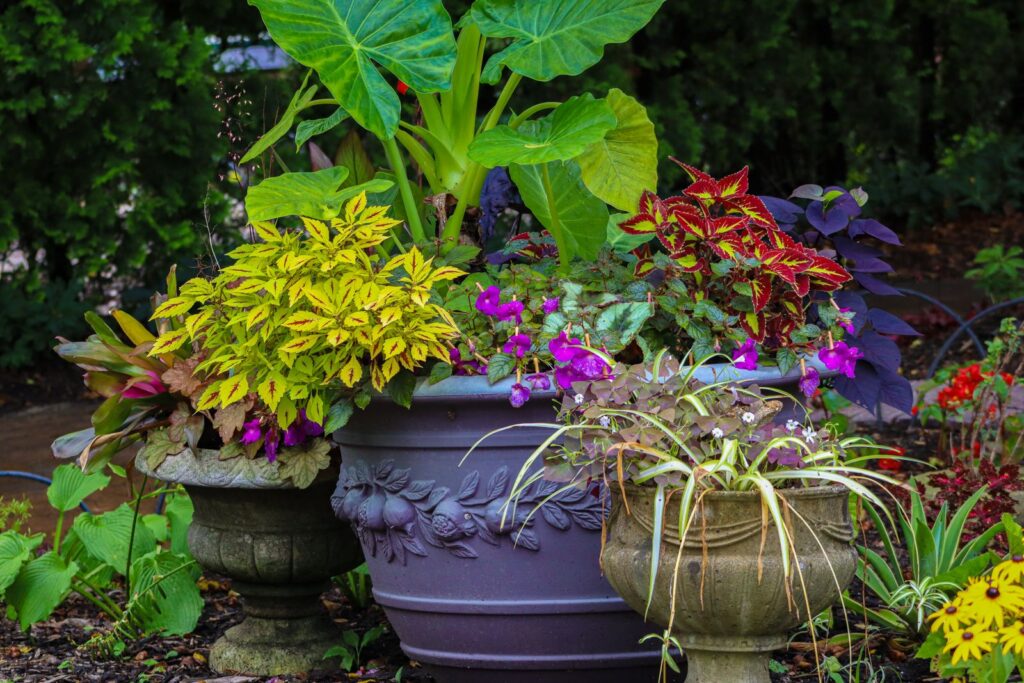
Pots add color without digging new beds. Put them by the back door, at the corners of a patio, or along a fence. One large pot looks better than several small ones, and it dries out more slowly. Thrift stores and garage sales are good places to find containers cheaply. Just drill a drainage hole if there isn’t one.
9. Plant Perennials Instead of Annuals
Rough cost: free to $300. Difficulty: easy.
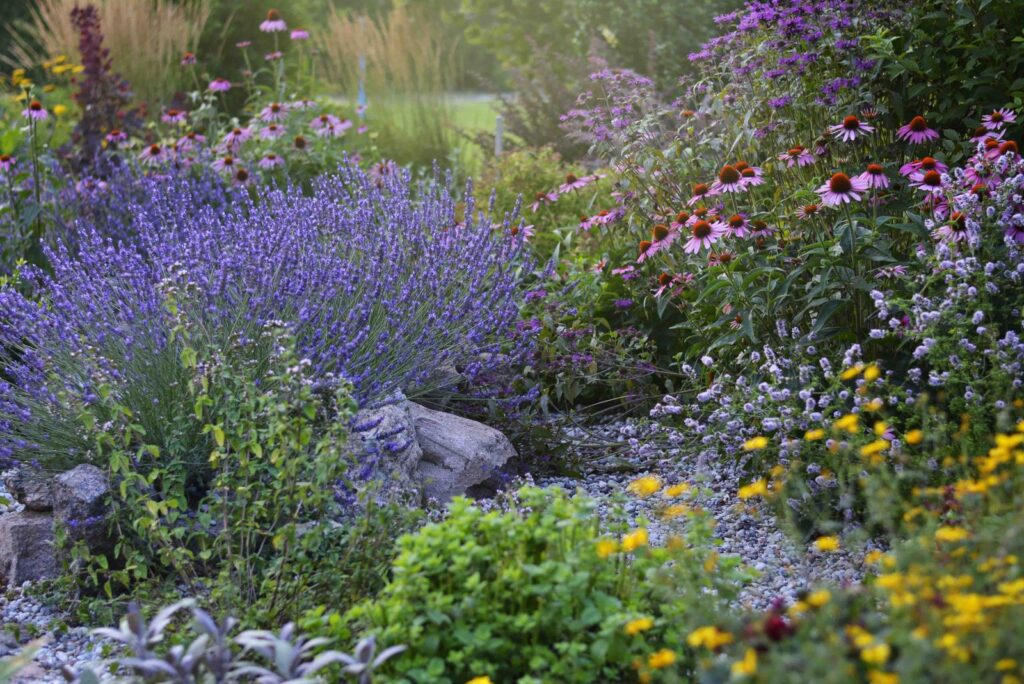
Perennials cost more per plant than annuals, but they come back every year, and most can be divided after a few years to fill more space for free. Ask neighbors for divisions, and look for plant swaps and end-of-season sales at garden centers. Choose plants that suit your sun and climate. A cheap plant in the wrong spot is no bargain. Our guide to choosing plants for your climate can help.
10. Screen the Eyesores
Rough cost: $50 to $300. Difficulty: easy.
Every yard has something you’d rather not see: trash cans, the AC unit, a hose reel, a bare stretch of fence. A lattice panel or a row of tall planters hides it cheaply. Leave room to reach anything that needs servicing, and keep at least the clearance your AC unit’s manual asks for so the airflow isn’t blocked.
11. Build Pallet Furniture
Rough cost: free to $60, plus cushions. Difficulty: moderate.
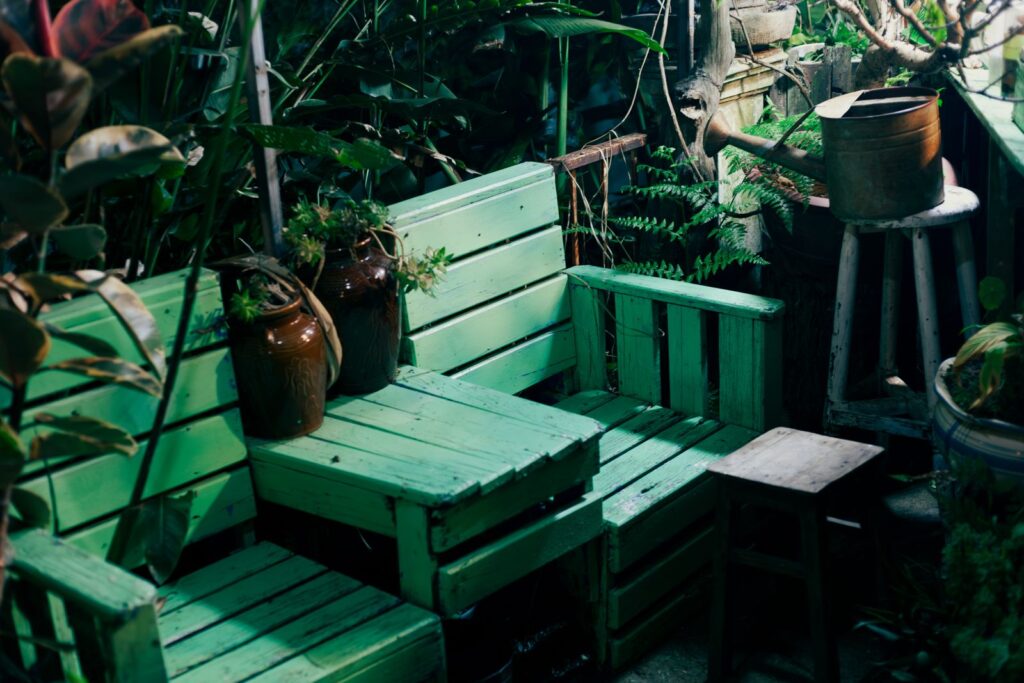
Wooden pallets can become benches, low tables, or a daybed. Many shops give them away. Check the stamp first: HT means heat-treated, which is what you want. Avoid pallets marked MB, which were fumigated with methyl bromide, and any that are stained or smell of chemicals. Sand the boards smooth and seal them if the furniture will sit in the rain.
12. Hang a Hammock
Rough cost: $30 to $150. Difficulty: easy.
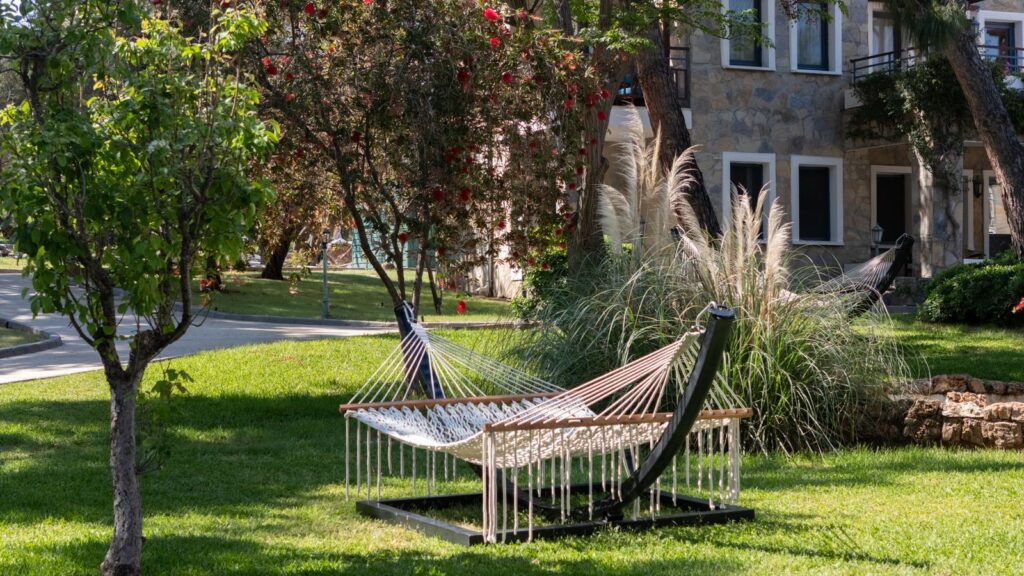
A hammock turns two healthy trees into a reading spot. Use wide tree straps instead of rope or eye bolts, which cut into the bark. No suitable trees? A freestanding hammock stand costs more but can go anywhere and moves with the shade.
13. Host an Outdoor Movie Night
Rough cost: about $20 if you can borrow a projector. Difficulty: easy.
A white flat sheet pulled tight between two posts, or a plain light-colored wall, makes a screen. The projector is the only real expense, so borrow one before you buy. Add the string lights from idea 5 and some blankets, and you have a movie night.
14. Put Up a Bird Feeder and Water
Rough cost: $15 to $50. Difficulty: easy.
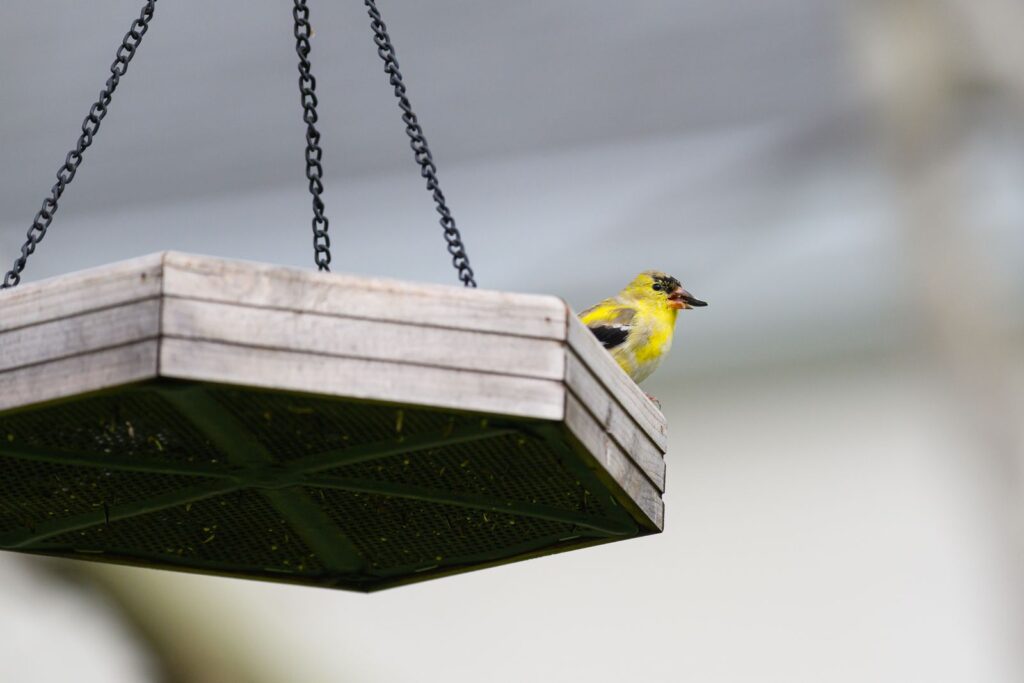
A feeder and a shallow dish of water bring birds into view from the house. Place the feeder either within 3 feet of a window or more than 30 feet away. Audubon reports that feeders between those distances are the most dangerous, because startled birds build up enough speed to hit the glass hard. Clean the feeder every couple of weeks. For more ways to bring wildlife in, see our guide to wildlife-friendly gardens.
15. Grow Up a Trellis
Rough cost: $30 to $150. Difficulty: easy.
In a small yard, growing up instead of out gives you more plants in the same space. A trellis against a sunny fence can carry pole beans or cucumbers, or a native flowering vine such as coral honeysuckle. Avoid English ivy and Asian wisteria, which spread well beyond a trellis.
All 15 Ideas at a Glance
| Idea | Rough cost | Difficulty |
|---|---|---|
| Edge lawn and beds | Free to $40 | Easy |
| Fresh mulch | Free to $150 | Easy |
| Gravel path | $75 to $300 | Easy to moderate |
| Solar path lights | $25 to $100 | Easy |
| String lights | $20 to $60 | Easy |
| Simple seating area | $100 to $500 | Moderate |
| Block fire pit | $150 to $600 | Moderate |
| Container plants | $20 to $200 | Easy |
| Perennials | Free to $300 | Easy |
| Screens for eyesores | $50 to $300 | Easy |
| Pallet furniture | Free to $60 | Moderate |
| Hammock | $30 to $150 | Easy |
| Outdoor movie night | About $20 | Easy |
| Bird feeder and water | $15 to $50 | Easy |
| Trellis | $30 to $150 | Easy |
What to Do With $100, $250, $500, or $1,000
- $100: edge the beds, spread mulch, and add a few solar lights.
- $250: add container plants or a short gravel path.
- $500: make a gravel seating area with chairs, string lights, and a few pots.
- $1,000: combine several projects, such as a path, a seating area, lighting, and a block fire pit.
Do one project at a time. Spreading the work over a season keeps the spending manageable, and you’ll learn how you actually use the yard before you commit to bigger changes. For more small jobs, see our weekend backyard projects.
Common Budget Mistakes
- Buying plants before planning. Decide where paths, seating, and beds go first, then buy plants to fit.
- Skipping weed control. New gravel and mulch look great for a month. Fabric under gravel and a thick enough mulch layer keep them that way.
- Scattering small decorations. A few large pots or one focal point look better than many small pieces spread around.
- Choosing high-maintenance plants. A cheap plant that needs constant water or trimming costs you more over time.
- Growing vegetables in old tires. Tires are a popular free planter, but NC State Extension warns that zinc and other metals can leach into the soil as they break down. Use them for flowers, if at all.
Frequently Asked Questions
What is the cheapest way to make a backyard look better?
Edge the lawn and beds, then spread fresh mulch. Edging costs nothing with a spade, and bagged mulch runs $2 to $13 a bag. Those two jobs make a yard look cared for faster than anything you can buy.
How much should I budget for a backyard makeover?
A basic DIY refresh with edging, mulch, and solar lights can cost about $100. A gravel seating area with chairs and string lights is closer to $500. Patios and hired labor cost much more.
Is gravel cheaper than pavers?
Yes. Gravel costs less for materials and needs no cutting or careful leveling, so most people can lay a gravel path in an afternoon. See our DIY garden path ideas for other low-cost options.
Can I get mulch or wood chips for free?
Often, yes. Tree services frequently give away chips from local jobs, and many cities offer free mulch or compost to residents. Arborist chips are coarser than bagged mulch but work well around shrubs and on paths.
Which backyard projects can I finish in a weekend?
Edging, mulching, solar lights, string lights, container plants, and a short gravel path can each be done in a day or two. Our weekend backyard projects has more.