
Birds and pollinators need four things from a garden: food, water, shelter, and somewhere to raise their young. Give them native plants that bloom from spring to fall, a shallow source of water, and a few messy corners, and they will find you. You don’t need a big yard or a big budget to do it.
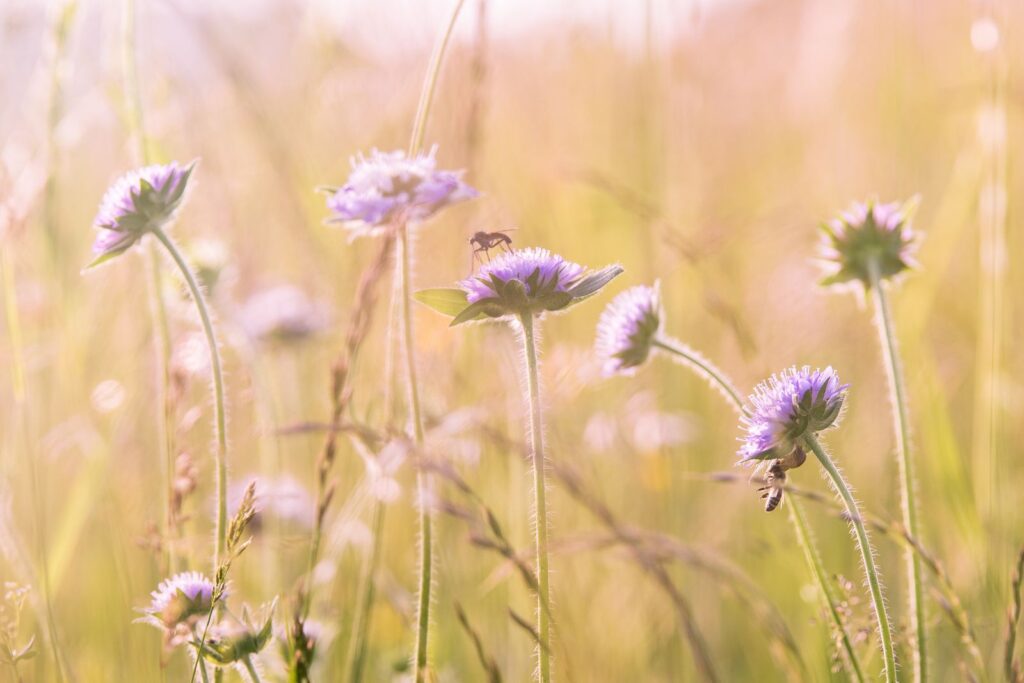
Bees and butterflies pollinate your flowers and vegetables. Birds spread seeds and eat a surprising number of garden pests. Make room for them and the garden gets livelier and needs less help from you.
Key Takeaways
- Native plants do most of the work. They feed local insects, and those insects feed birds.
- Plan for blooms from early spring to late fall so there is never a gap in nectar.
- Water, shelter, and fewer pesticides matter as much as the plants themselves.
Quick Wildlife-Friendly Garden Checklist
A wildlife garden doesn’t need to be large or complicated. Most good ones share the same handful of features.
Focus on These Core Elements
- Plant native flowers, shrubs, and grasses whenever possible
- Include plants with staggered bloom times from spring through fall
- Provide shallow water sources for birds, bees, and butterflies
- Avoid synthetic pesticides and broad-spectrum insecticides
- Leave some leaf litter and natural debris for insects and nesting habitat
- Add shelter features such as shrubs, brush piles, or birdhouses
- Include flowering plants with different heights and bloom shapes
- Use mulch and compost to improve soil health naturally
Start with two or three of these. Even small changes bring in more songbirds, butterflies, and beneficial insects.
Why Create a Wildlife-Friendly Garden?
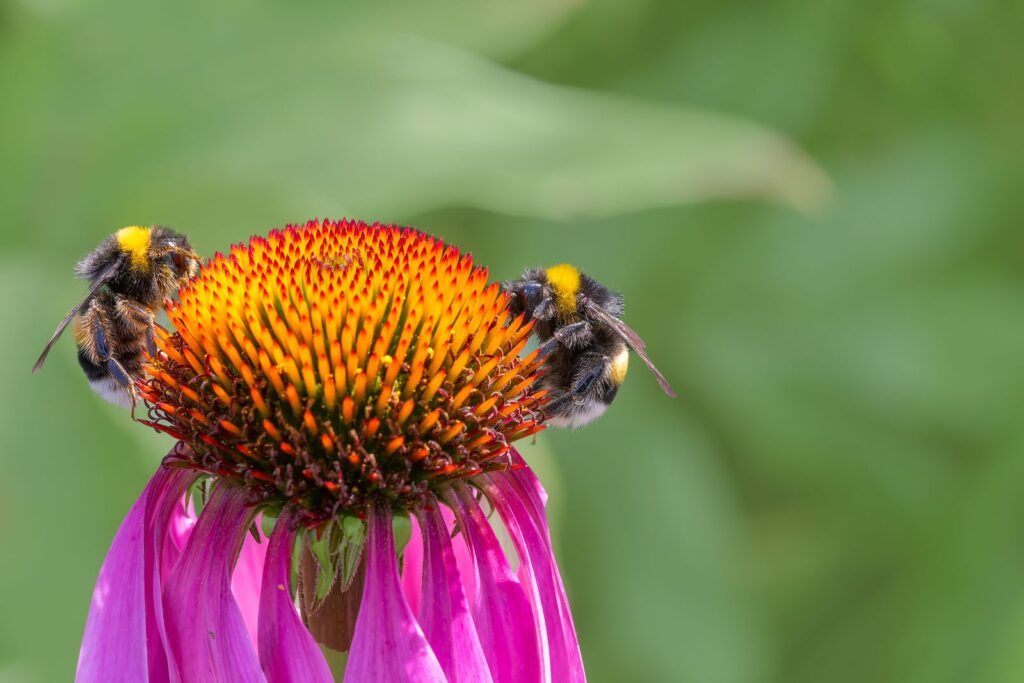
Native plants give local wildlife food, shelter, and places to nest. That supports biodiversity right outside your back door.
The garden gets something back. Birds eat seeds, berries, and a lot of insects. Beneficial insects pull their weight too: ladybugs eat aphids, and bees pollinate flowers so fruit sets and seeds form.
Size isn’t a barrier. A small yard or even a balcony with flowers, water, and a bit of shelter makes a difference. And you get a quieter, livelier place to sit and watch.
Planning Your Garden Layout
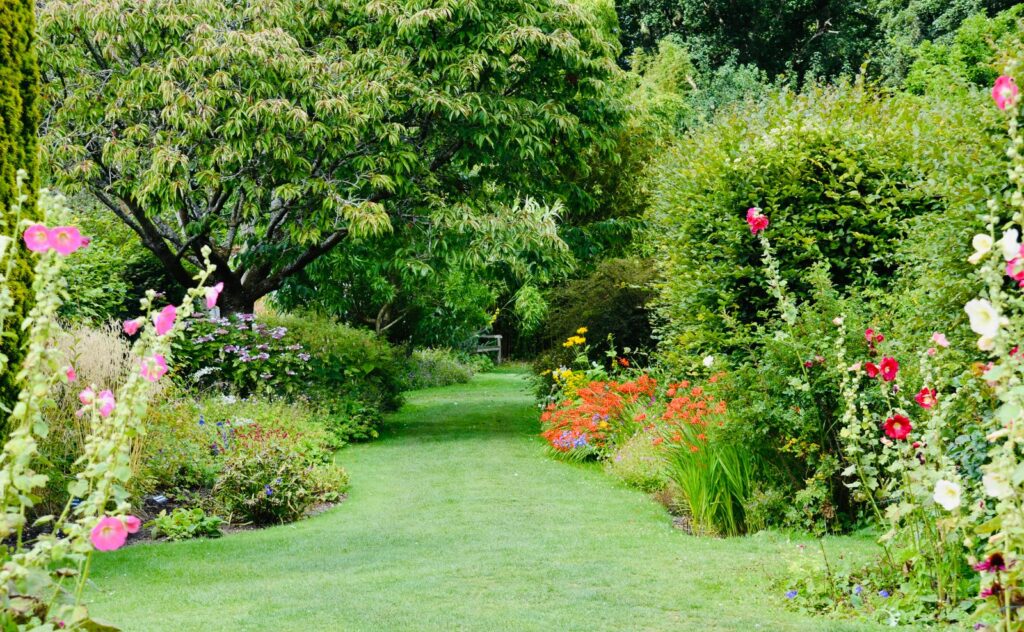
Before you buy a single plant, look at what you have: light, soil, existing plants, and where water could go.
Assessing Sunlight and Soil Type
Watch your yard over a full day and note which spots get full sun, partial shade, or deep shade. Plant labels assume you know this, and most failed plantings come down to the wrong light.
Then check the soil. A simple test tells you the texture (sandy, clay, or loam) and the pH, which narrows down what will grow well. Working in compost improves almost any soil’s structure.
Designing for Habitat Diversity
More kinds of plants means more kinds of wildlife. Aim for a mix of trees, shrubs, and flowers. Tall trees shelter birds, while shrubs and flowers bring in insects, and the layers together give animals both food and cover.
Leave somewhere for animals to spend the winter. A pile of fallen leaves or an old log gives overwintering butterflies, beetles, and small mammals a place to hide.
Incorporating Water Features
Water is the fastest way to bring in wildlife. Birds drink and bathe in it, and a small pond attracts dragonflies and frogs. Our guide to backyard water features covers the options. If space is tight, a bird bath is enough.
Keep the water shallow and clean. A spot with some shade stays fresher, and plants around the edge give visitors cover while they drink.
Choosing the Right Plants
The Importance of Native Plants
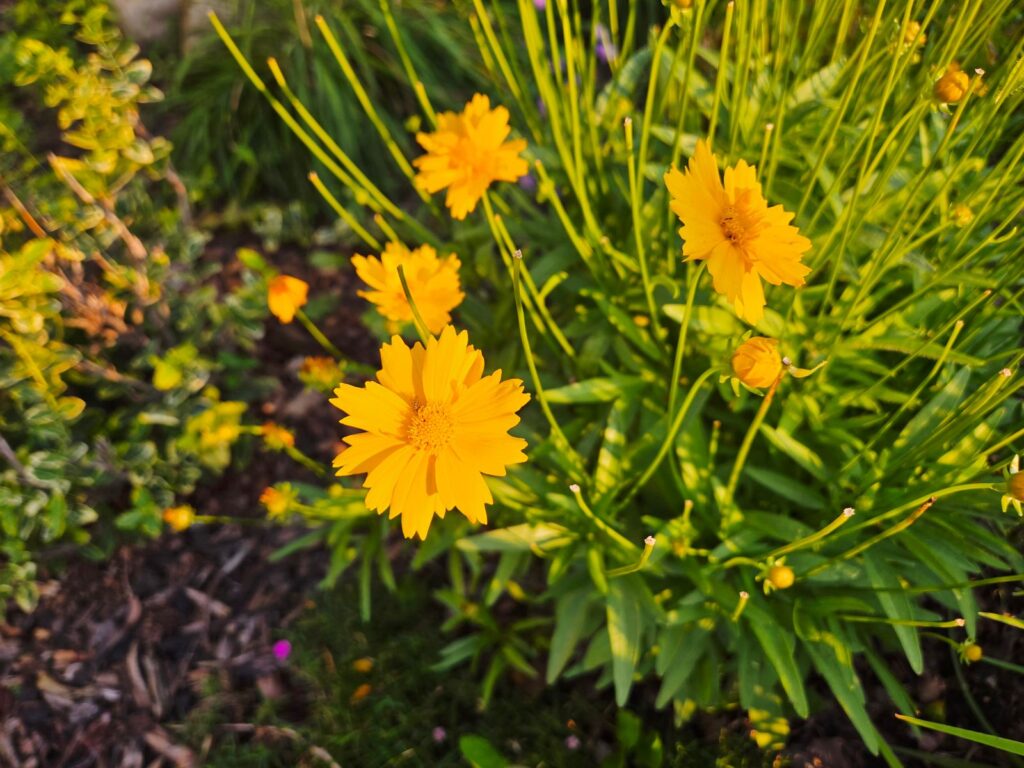
Native plants grew up alongside your local birds and insects, so they are the food those animals are built to eat. Many caterpillars can only feed on specific native plants, and caterpillars are what most songbirds feed their chicks.
Natives also suit your soil and climate, so once established they need less water and fertilizer than most non-native plants. Healthier plants need fewer pesticides, which is better news for the insects you are trying to attract. To see which natives suit your area, search the Audubon Native Plants Database by ZIP code.
Selecting Trees and Shrubs
Trees and shrubs give birds shelter, food, and nesting sites. Pick ones that produce berries or seeds, such as serviceberry, dogwood, and holly. Their flowers and fruit also keep the garden interesting through the year.
Mix evergreens with deciduous trees. Evergreens give shelter all winter, and deciduous trees bring seasonal food. For shrubs, elderberry and viburnum offer good cover and berries that many birds eat.
Incorporating Flowers and Grasses
Coneflowers, milkweed, and bee balm are reliable pollinator magnets. Native grasses such as bluestem and switchgrass add seeds for birds and shelter for insects.
Plant in varied heights and colors, and plant densely. A full bed gives wildlife food and cover at the same time.
Creating Bird-Friendly Features
Setting Up Bird Feeders and Birdhouses
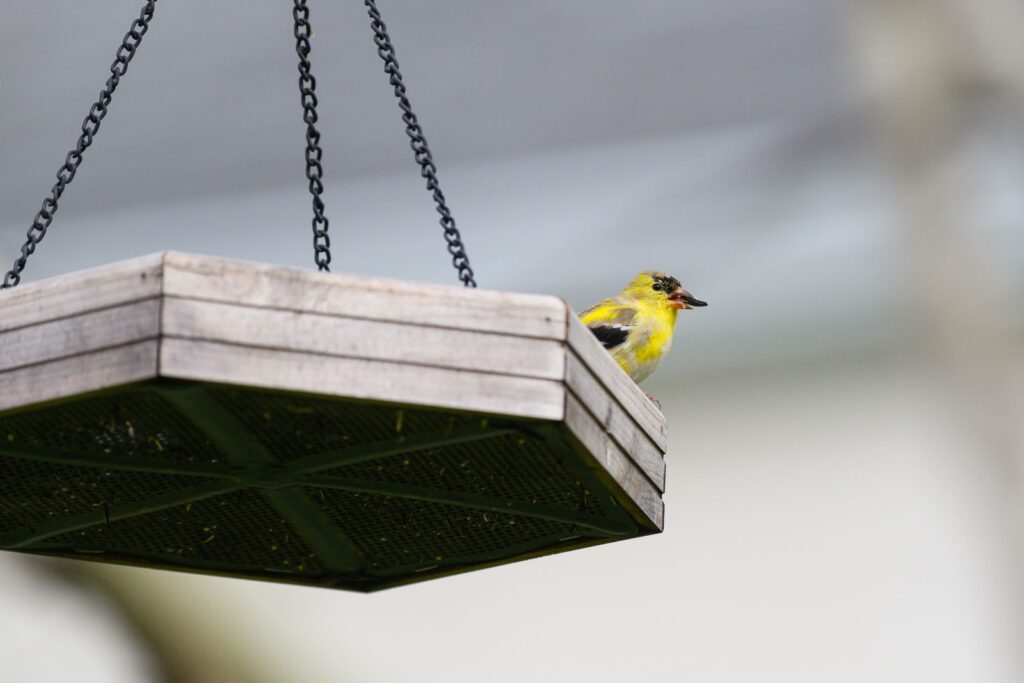
Match the feeder to the birds you want. Seed feeders draw finches and sparrows. Suet feeders bring woodpeckers and nuthatches.
Placement matters. Hang feeders about 10 to 15 feet from dense shrubs. That is close enough for birds to dart to cover, but far enough that a cat can’t ambush them from inside the bush. Clean feeders regularly to stop disease spreading.
For birdhouses, the entrance hole decides who moves in. House wrens need a hole about 1 inch across, according to Cornell Lab’s NestWatch. Eastern bluebirds need a round hole no larger than 1 1/2 inches, per the National Wildlife Federation. Mount houses high enough, or on a baffled pole, to keep cats and other predators out.
Providing Nesting Sites and Materials
Most birds nest in plants, not boxes. Hedges, trees, and thick shrubs give them shelter and somewhere to build.
You can help with materials. Put out small bundles of twigs, dry grass, or feathers where birds can find them, away from paths and busy areas. A water source nearby makes the spot even more appealing.
Supporting Pollinators
Planting for Bees and Butterflies
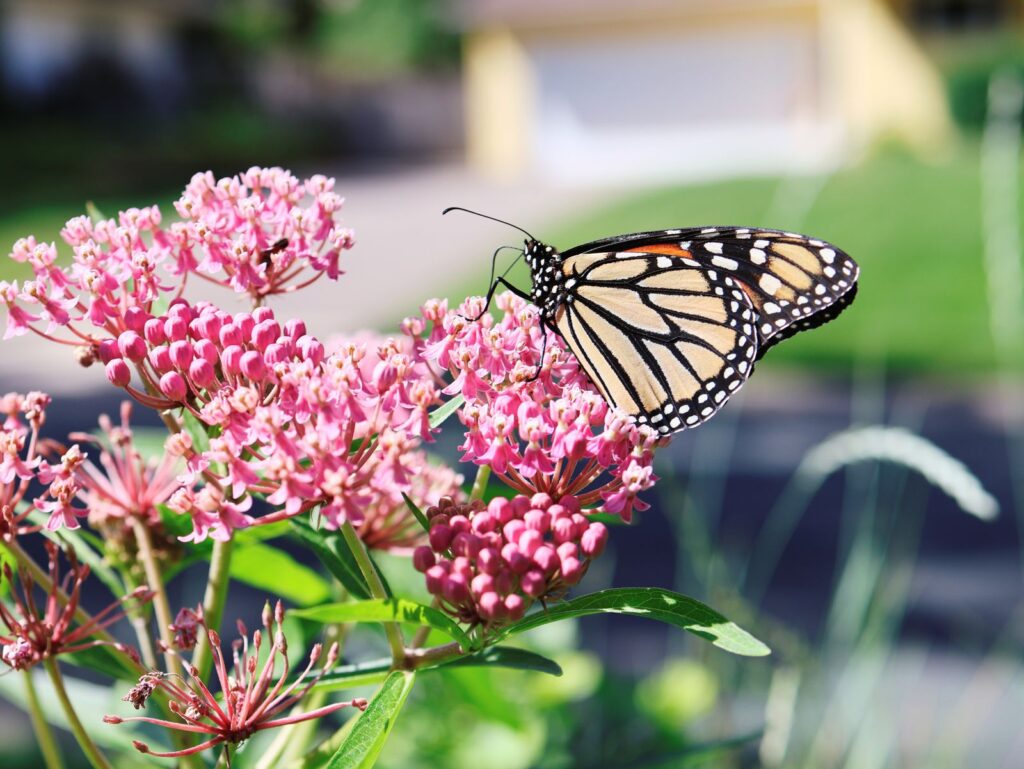
Bees and butterflies go for bright, nectar-rich flowers. Lavender, sunflowers, and zinnias all work. Coneflowers and bee balm offer both nectar and pollen. Native plants usually do best because they match what your local pollinators need.
Offering Continuous Food Sources
The gaps are what hurt pollinators. Plan something in bloom in every season (our seasonal planting guide helps with timing):
Early spring: crocuses, plus species or heirloom daffodils. Skip the frilly double daffodils, which offer bees little nectar or pollen. Summer: daisies and black-eyed Susans. Fall: asters and goldenrod. Let some flowers go to seed at the end of the season instead of deadheading everything.
Gardening Practices for Wildlife
Natural Pest Control and Avoiding Pesticides
Ladybugs and lacewings eat aphids by the hundreds. Stop spraying and they will often get an outbreak under control on their own. A wide variety of plants brings in a wider range of these helpful predators.
When you do need to act, start gentle. Pick larger pests like caterpillars off by hand, or try a homemade garlic or hot pepper spray, which deters pests without harming other visitors.
Encouraging Wildlife with Mulch and Compost
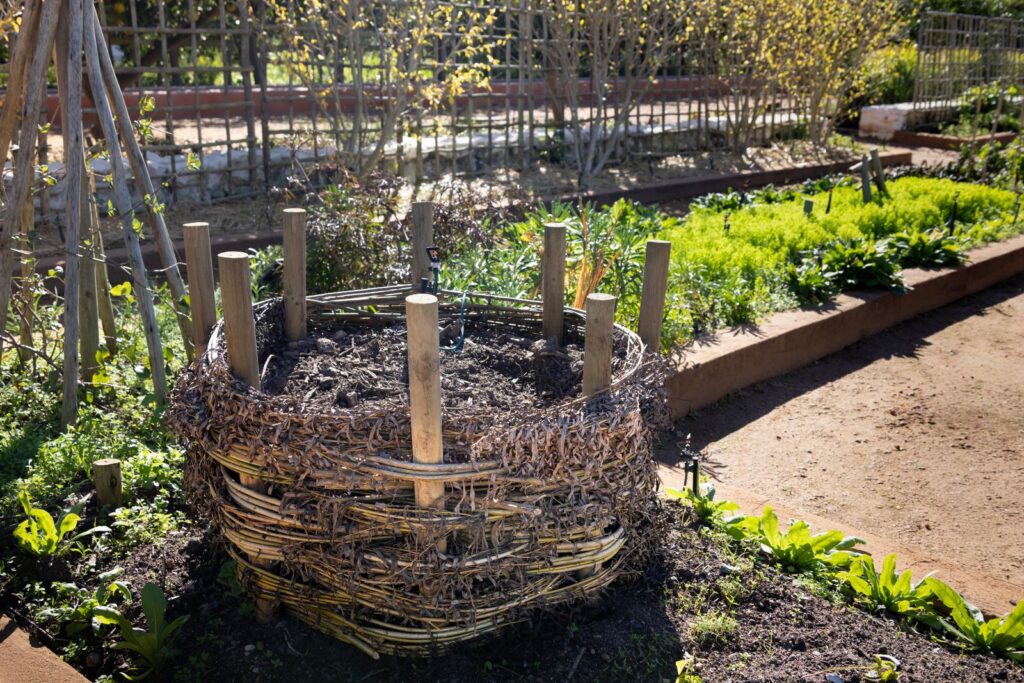
Compost feeds the soil as kitchen and yard scraps break down, and healthy plants produce more flowers for pollinators. A compost pile also draws earthworms, which aerate the soil.
Mulch holds moisture, keeps roots cool, and smothers weeds. As it breaks down, it adds nutrients too. Between the two, you rarely need chemical fertilizer.
Pollinator-Friendly Plant Ideas by Wildlife Benefit
| Plant Type | Attracts | Bloom Season | Wildlife Benefit |
|---|---|---|---|
| Coneflower | Bees, butterflies | Summer | Nectar source for pollinators |
| Milkweed | Monarch butterflies | Summer | Host plant for caterpillars |
| Black-Eyed Susan | Bees, birds | Summer to fall | Seeds for birds and nectar for insects |
| Bee Balm | Hummingbirds, bees | Summer | Long blooming nectar source |
| Goldenrod | Bees, butterflies | Late summer to fall | Critical late-season nectar |
| Sunflowers | Birds, bees | Summer to fall | Seeds and pollinator support |
| Lavender | Bees | Summer | Fragrant nectar-rich flowers |
| Native grasses | Birds, insects | Year-round | Shelter and nesting habitat |
Where you can, choose the native species from your region. They need less care and do more for local wildlife.
Important Pollinator Safety Considerations
Bees and butterflies are especially sensitive to chemicals. Even products labeled “garden safe” can harm them if you use them at the wrong time or in the wrong place.
Best Practices for Pollinator Safety
- Never spray plants while they are in flower
- Let beneficial insects handle pests before reaching for chemicals
- Choose native plants adapted to local conditions
- Leave seed heads and hollow stems standing through winter, since many native bees nest in stems and other insects shelter there
The 4-Layer Wildlife Garden Approach
Flowers alone won’t do it. The richest wildlife gardens are built in layers, from the ground up.
1. Ground Layer
Ground covers, mulch, leaf litter, and low plants shelter insects, frogs, and the organisms that keep soil healthy.
2. Flowering Layer
Perennials and annuals supply nectar and pollen for bees, butterflies, and hummingbirds all season.
3. Shrub Layer
Native shrubs give birds nesting spots, wind protection, and berries.
4. Tree Layer
Trees provide shade, shelter, nest sites, and seasonal food, and they keep the garden below them cooler and damper.
Each layer feeds and shelters different animals, so a layered garden attracts more species and tends to need less maintenance over time.
Maintaining Your Wildlife-Friendly Garden
A wildlife garden needs less upkeep than a conventional one, but it isn’t zero. The routine is short:
- Weed regularly by hand so weeds don’t crowd out your natives.
- Prune dead or overgrown branches to keep plants healthy and let light reach the ground.
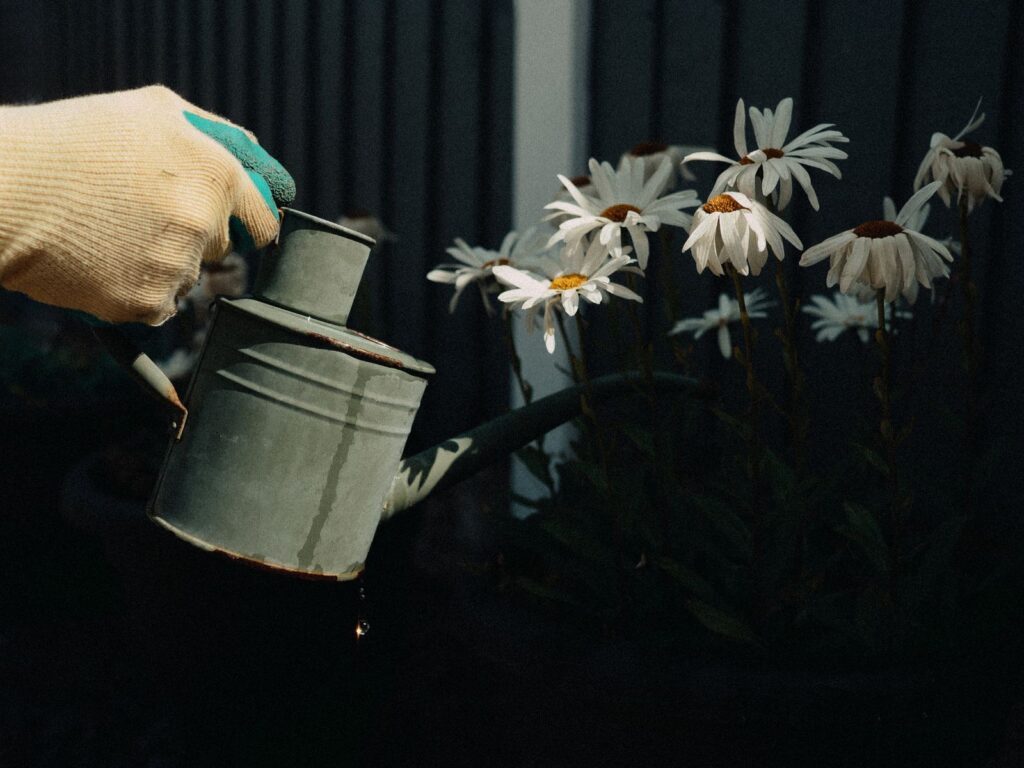
- Water early in the morning, at the base of plants. Less water evaporates, and leaves dry quickly, which cuts down on mildew.
- Walk the garden every week or so and look for sick plants or pest outbreaks while they are still easy to deal with.
Consider Certification
Once your garden provides food, water, cover, and places to raise young, you can register it as a Certified Wildlife Habitat with the National Wildlife Federation, which suggests aiming for at least 70% native plants. It’s a nice milestone, and the sign starts conversations with neighbors.
Encouraging Specific Wildlife
Attracting Songbirds
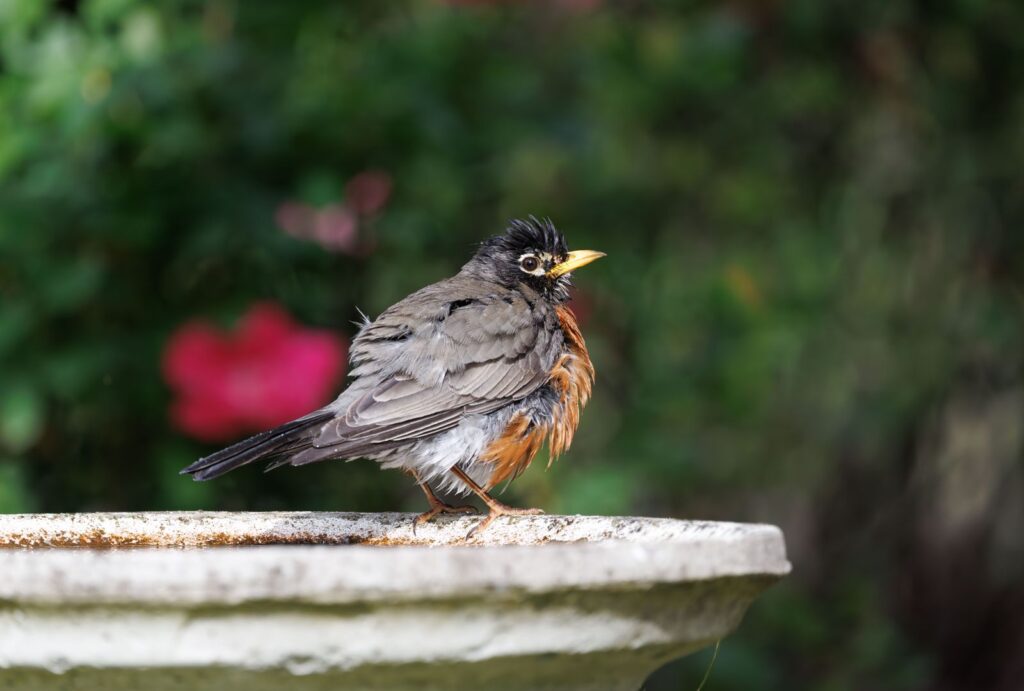
Songbirds want layers: trees to perch in, shrubs to hide in, and native plants full of insects and seeds. Add a feeder and a bird bath, placed with the same 10 to 15 feet of open space around them.
Nest boxes encourage birds to stay through the breeding season. Clean them out once the season ends so they’re ready for next year. And skip the pesticides, which kill the insects songbirds feed their young.
Creating a Haven for Frogs and Amphibians
Frogs need water. A small pond with shallow edges and plants around it gives them food and somewhere to hide.
Add natural shelters like logs, rocks, and leaf piles to protect them from predators and bad weather. Keep a moist, shady corner with tall grasses or large-leaved plants. Amphibians absorb chemicals through their skin, so this is one more reason to cut back on sprays.
Extras for a Thriving Habitat
Adding Brush Piles and Rock Gardens
A brush pile is the easiest habitat you will ever build. Stack fallen branches, sticks, and leaves in a quiet corner and birds, small animals, and caterpillars will use it for shelter.
Rock gardens in sunny spots give lizards and insects somewhere to bask, and the gaps between stones make good hiding places. Local stone looks the most natural.
Installing Bee Houses and Insect Hotels
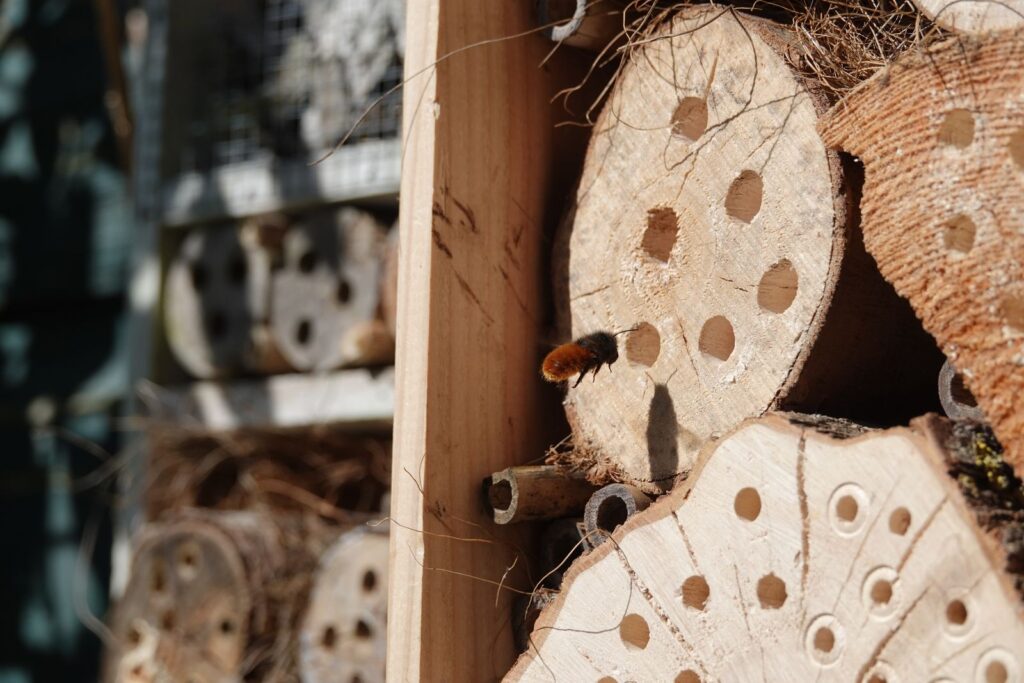
Bee houses give solitary bees, some of the hardest-working pollinators in any garden, a place to nest. You can make one by drilling holes into a block of wood. Face it toward the morning sun so the bees warm up and get moving early.
Insect hotels go a step further, with sections of bamboo, straw, and other materials. Different sections draw different insects, including ladybugs and lacewings that help control pests.
Building a Healthier Backyard Ecosystem
A wildlife garden isn’t a perfectly manicured yard, and that’s the point. Plant natives, ease off the pesticides, put out water, and leave some shelter. Do those four things and even a small garden becomes real habitat for birds, bees, and butterflies. For more ways to garden lighter on the planet, see our beginner’s guide to sustainable landscaping.
Frequently Asked Questions
What are the best plants to include in a wildlife-friendly garden?
Start with plants native to your region, since they match the local ecosystem. Oaks and dogwoods provide shelter and food. Echinacea and sunflowers feed both bees and birds.
How can I encourage more birds to visit my garden?
Put out fresh water and a feeder, and plant shrubs that give birds cover. Berry-producing bushes add a natural food source that lasts into winter.
What features are important for creating a habitat garden?
Variety. Layers of trees, shrubs, and flowers create different habitats. A pond or water feature helps many species, and rock piles or brush give animals places to hide and nest.
Which flowers and shrubs are known to attract butterflies and bees?
Butterflies love bright flowers like milkweed and zinnias. Bees favor lavender and salvia. Plant each in clusters so pollinators can find them easily.
Can you provide tips for designing a bird-friendly urban garden?
Go vertical and use containers. Deep pots can hold native plants, and a small birdhouse and water dish fit on most balconies or patios. Use every bit of space you have.
What steps can I take to help nature thrive in my backyard?
Stop using pesticides, start composting, and leave some leaf litter for insects. Add new plants over time and keep an eye on how the garden is doing.
How can I attract more bees to my garden?
Plant a variety of native flowering plants with overlapping bloom periods from spring through fall. Avoid broad-spectrum pesticides and provide shallow water sources for pollinators.
What is the best plant for butterflies?
Milkweed is one of the best plants for butterflies because it serves as both a nectar source and a host plant for monarch caterpillars.
About the Author
Kate is the pen name Yard Utopia’s guides are published under. Each guide is researched from university extension services, government agencies, and manufacturer guidance, with the sources linked in the text. Our About page explains how we write and check them.