
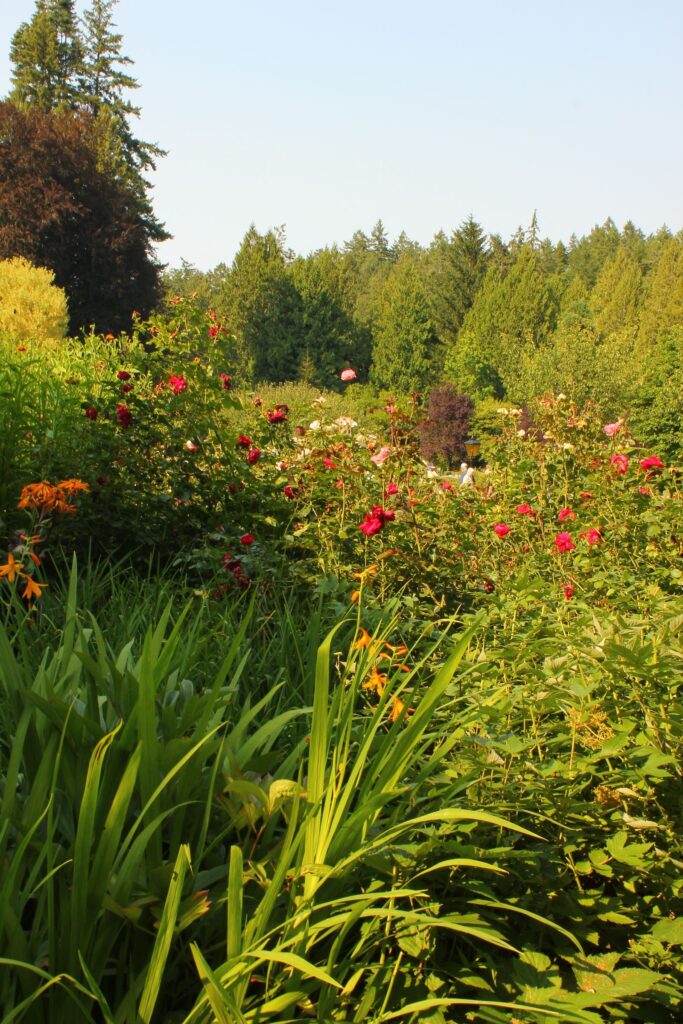
A yard with color in every season isn’t luck. It’s planned so something is always happening: bulbs and flowering shrubs in spring, perennials in summer, foliage and late bloomers in fall, and berries, bark, and evergreens in winter. This guide shows what to grow for each season and when to plant each type, so the garden keeps changing all year.
Start With Your Zone and Frost Dates
Two facts decide what you can grow and when to plant it. Your hardiness zone, from the USDA Plant Hardiness Zone Map, tells you which plants survive your winters. Your average last spring frost and first fall frost tell you when tender plants can go out and when the season ends. Your local extension service publishes frost dates for your area. Our guide to choosing the right plants covers sun, soil, and zone matching in more detail.
What to Grow for Each Season
Most gardens peak in spring and early summer and again in fall. As the Morton Arboretum points out, a garden that stays interesting all year has to be planned that way, with evergreen foliage, colorful stems, and persistent berries carrying it through winter. These are widely grown choices. Check that each suits your zone.
| Season | Flowers and foliage | Trees and shrubs |
|---|---|---|
| Spring | Daffodils, tulips, crocus, pansies, creeping phlox | Redbud, flowering dogwood, serviceberry, forsythia, lilac |
| Summer | Coneflower, black-eyed Susan, daylily, salvia, zinnia | Hydrangea, crape myrtle in the South, smokebush |
| Fall | Asters, goldenrod, sedum, ornamental grasses, mums | Maples, fothergilla, oakleaf hydrangea, common witch hazel |
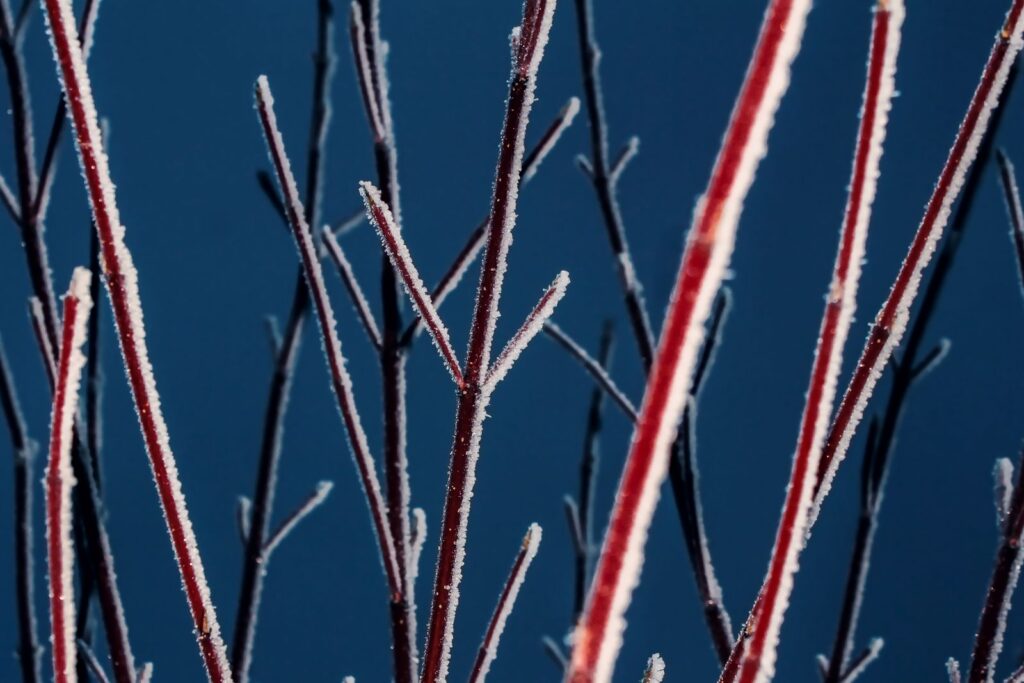
| Winter | Hellebores in mild areas, grasses and seed heads left standing | Winterberry holly, red-twig dogwood, evergreens, hybrid witch hazel in late winter |
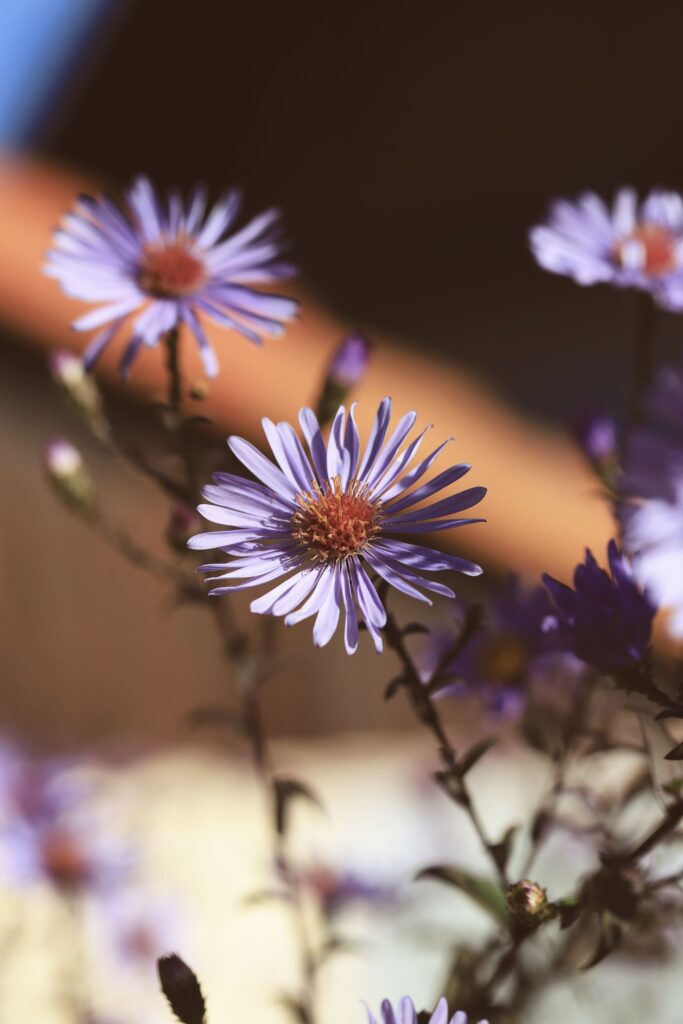
Layer the planting so each season has a lead act. Trees and evergreens give year-round structure, shrubs carry spring flowers and fall color, perennials fill summer, and annuals and containers patch gaps between bloom times. Staggering early, mid, and late bloomers within each group keeps color going rather than arriving all at once. Many of these, such as coneflower, asters, and goldenrod, also feed pollinators. Our pollinator garden guide lists more.
Use Containers for Quick Changes
Pots by the door are the easiest place to keep up with the seasons. Plant pansies and bulbs in spring, swap in heat-loving annuals for summer, then mums, ornamental kale, and grasses in fall. In winter, fill them with cut evergreen boughs and branches. Our holiday yard guide shows how. Aim for at least two plants in each container or bed that look good at the same time, so no season depends on a single bloom.
When to Plant Each Type
- Trees and shrubs: fall is ideal. University of Missouri Extension explains that fall planting avoids the stress of spring, when new leaves grow at the expense of roots, so energy goes into new roots instead. In the Midwest that means September through October. Early spring is the next-best time.
- Spring bulbs: plant in fall. Tulips, daffodils, and crocus go in once the soil has cooled, a few weeks before the ground freezes, so they can root before winter.
- Perennials: spring or early fall. Both give roots time to establish before summer heat or winter cold.
- Cool-season annuals: pansies, violas, and snapdragons can go out in early spring and again in fall, since they tolerate light frost.
- Warm-season annuals: zinnias, marigolds, and petunias go out after your last spring frost.
Don’t Prune Away Next Year’s Flowers
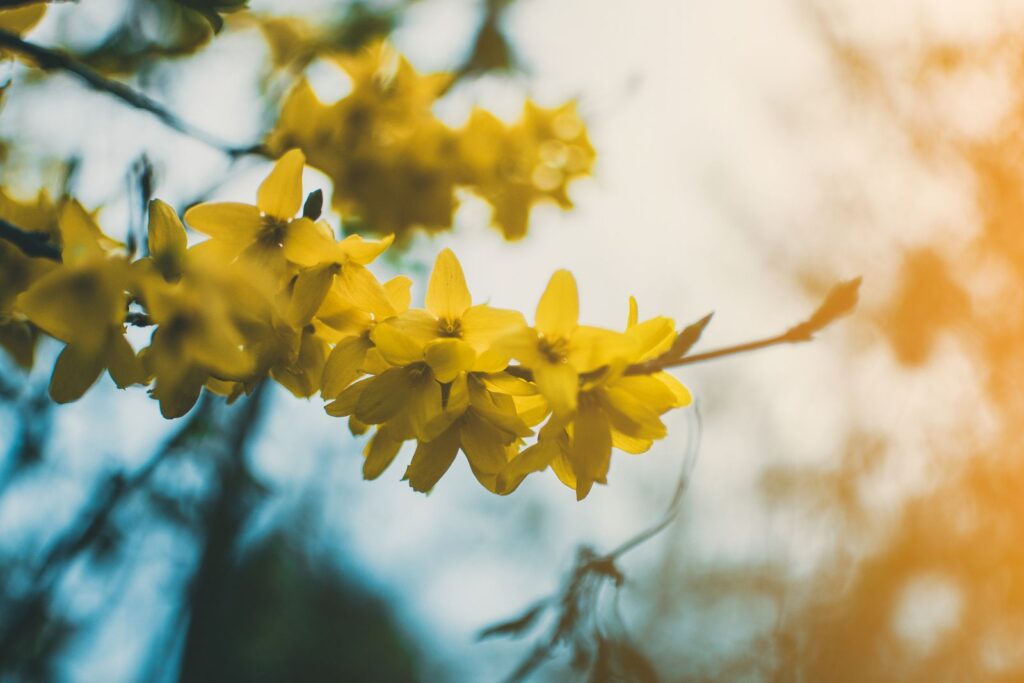
Timing matters as much for pruning as for planting. Forsythia, lilac, and other spring-flowering shrubs set their buds the year before, so a fall pruning cuts off next spring’s flowers. Iowa State University Extension says the best time to prune them is immediately after flowering. Shrubs that bloom in summer on new growth can be pruned in late winter or early spring instead.
Keep a Simple Calendar
Note your frost dates, then list what to plant and what to prune each month. Take photos of the garden every few weeks for a year. They show exactly when the gaps in color fall, so you know what to add. For the season-by-season jobs beyond planting, such as mulching, leaf cleanup, and winter prep, see our seasonal landscaping guide and winter landscaping tips.
Frequently Asked Questions
How do I get color in my garden all year?
Plan for every season: bulbs and flowering shrubs for spring, perennials and annuals for summer, asters, grasses, and fall foliage for autumn, and evergreens, berries, and colorful bark for winter. Stagger early, mid, and late bloomers within each group.
When is the best time to plant trees and shrubs?
Fall, in most regions. University of Missouri Extension notes that fall-planted trees and shrubs put their energy into new roots, and recommends September through October in the Midwest. Early spring is the next-best time.
When should I plant spring bulbs?
In fall, once the soil has cooled and a few weeks before the ground freezes, so the bulbs can grow roots before winter.
When should I prune forsythia and lilac?
Immediately after they flower, according to Iowa State University Extension. Pruning in fall or winter removes the buds that would have bloomed in spring.
What plants add interest in winter?
Evergreens, red-twig dogwood, winterberry holly with its red berries, ornamental grasses and seed heads left standing, and in milder areas, hellebores and late-winter-blooming witch hazels.