
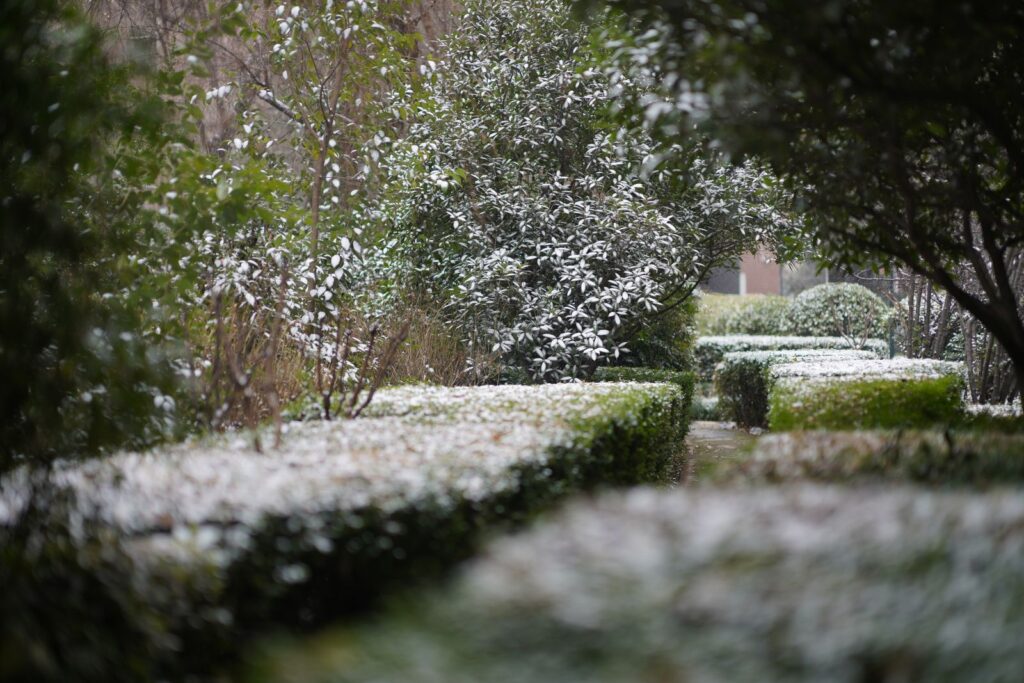
Winter landscaping is mostly done in fall. Watering, mulching, and putting the hoses away all have to happen before the ground freezes. After that, winter is about structure and color: evergreens, berries, bark, and a few lights. The 10 tips below run in the order you’ll need them, from early fall into midwinter.
10 Winter Landscaping Tips
1. Know Your Zone and First Frost Date
Winter prep depends on where you live. Look up your zone on the USDA Plant Hardiness Zone Map, which runs from Zone 1, the coldest, to Zone 13, the warmest, and find your area’s average first frost date. A gardener in Zone 5 needs thick mulch and windbreaks. One in Zone 9 is more worried about drainage during winter rains. The timing in the rest of this guide follows your first frost.
2. Mow the Leaves Into the Lawn
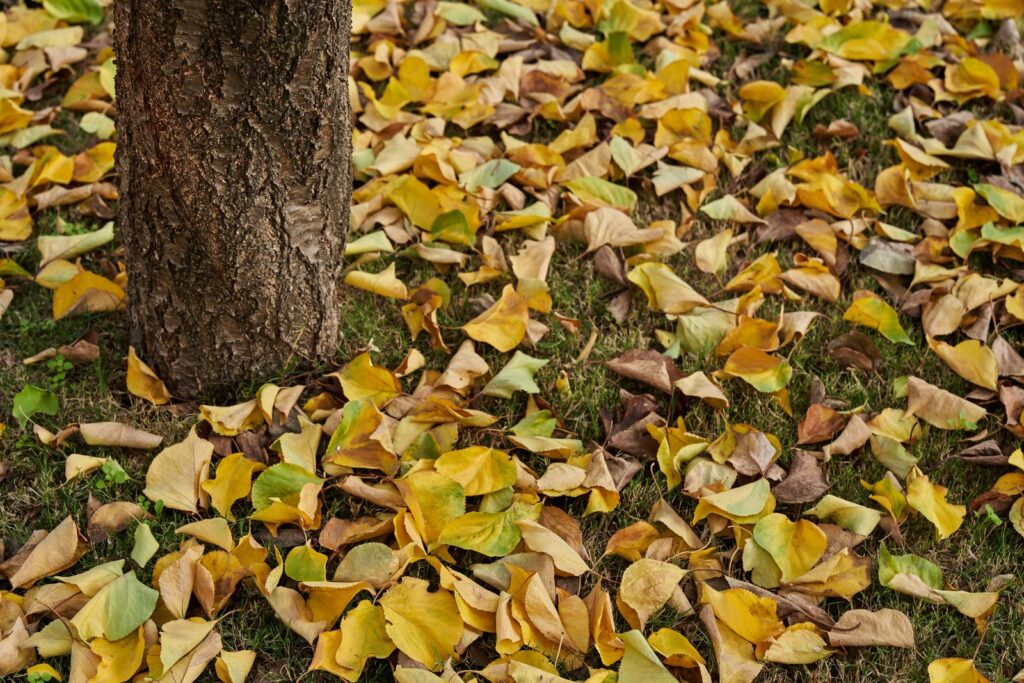
Thick piles of leaves left on grass over winter can smother it, but you don’t have to rake and bag them. Michigan State University Extension research found that shredding leaves into the lawn with a mower helps the grass green up faster in spring and reduces weeds. Mow with the deck set high, then mow again in the other direction.
In flower beds, a layer of leaves works as free mulch and gives overwintering insects somewhere to hide. Our guide to wildlife-friendly gardens explains why. Extra leaves can go on the compost pile, but bag and bin any diseased plant material.
3. Feed the Lawn at the Right Time, or Not at All
Fall fertilizer suits cool-season grasses such as Kentucky bluegrass and tall fescue. University of Kentucky Extension recommends fertilizing them with nitrogen as temperatures cool and days shorten, while the grass is still growing. Warm-season grasses such as Bermuda and Zoysia are heading into dormancy, so a late feeding can push tender new growth that frost then kills. If you aren’t sure what your soil needs, a soil test from your local extension office costs little and saves guessing.
4. Water Trees and Evergreens Until the Ground Freezes
Evergreens keep losing water through their needles and leaves all winter, and they can’t replace it from frozen soil. That’s what causes the brown, scorched tips you see in spring. Water deeply during dry spells in fall, especially new plantings, and stop once the ground freezes. University of Illinois Extension covers how to balance it.
5. Mulch Beds and Tree Roots
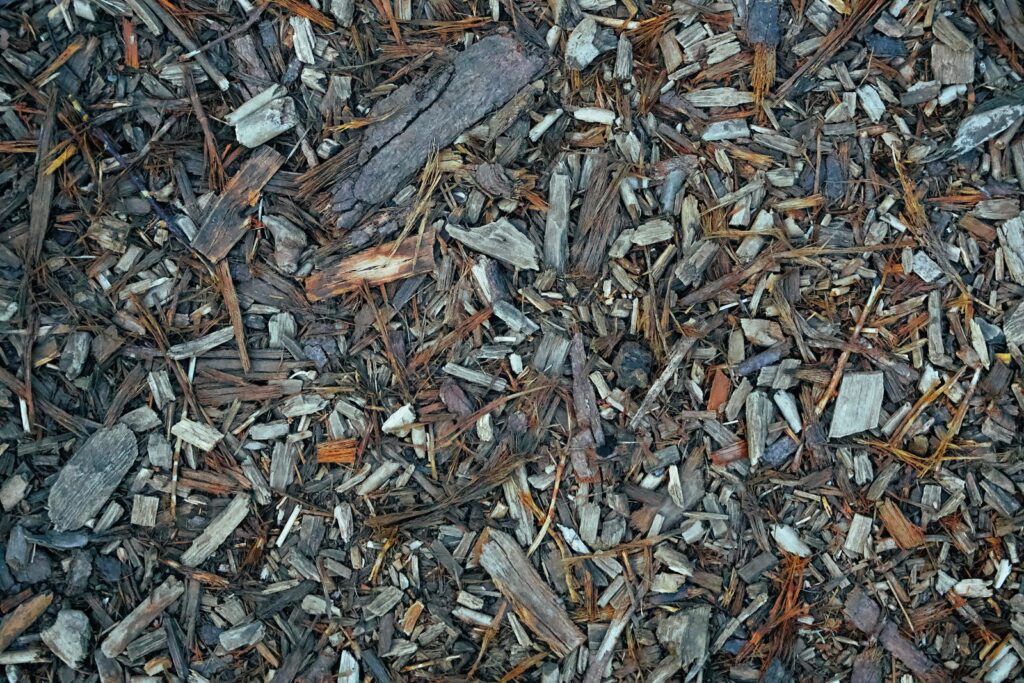
A 2 to 4 inch layer of shredded bark, wood chips, or chopped leaves keeps soil temperatures steady, so roots aren’t heaved by repeated freezing and thawing. Spread it after the ground has cooled, out to the drip line of trees. Keep it a few inches back from trunks and stems, because mulch piled against bark invites rot and rodents.
6. Prune at the Right Time
Late winter, while plants are dormant, is a good time to prune most trees and summer-flowering shrubs. You can see the branch structure clearly, and the wounds start to close once growth resumes. Spring bloomers are the exception. Lilac, forsythia, and other early shrubs already carry next year’s flower buds, so Iowa State University Extension recommends pruning them right after they flower instead. Dead, damaged, or diseased branches can come off any time.
7. Protect Tender Plants
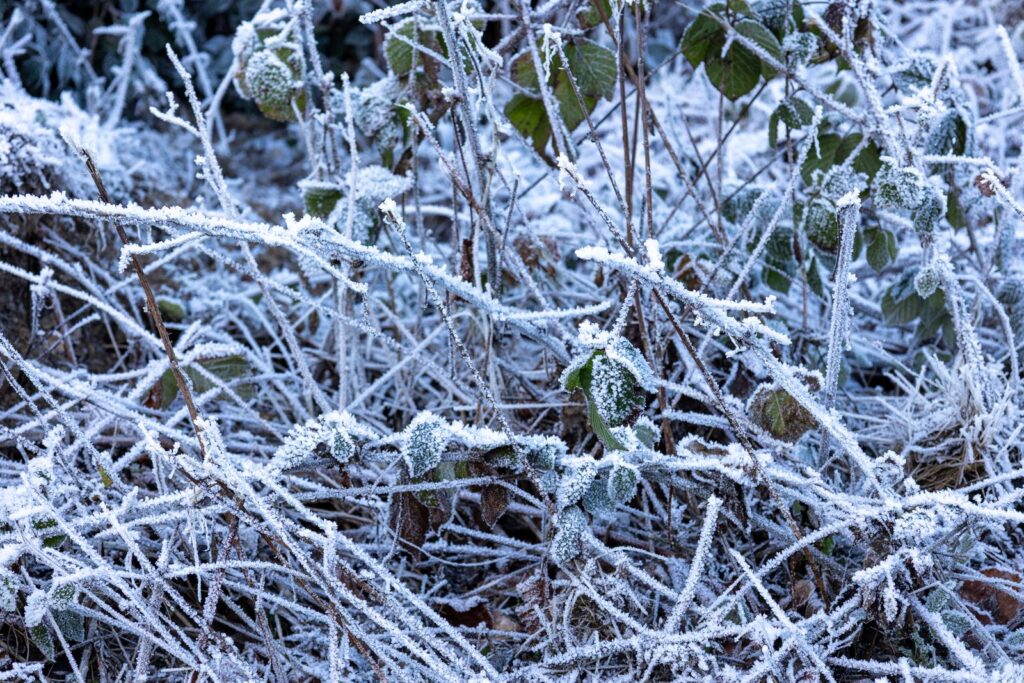
Before a cold snap, drape frost cloth or an old sheet over tender plants all the way to the ground, weight the edges, and take it off when it warms up. Avoid plastic touching the leaves, because it conducts cold. Move potted plants against a south- or west-facing wall, or into a garage. Broadleaf evergreens such as boxwood, rhododendron, and holly can scorch in winter wind and sun. A burlap screen on the windward side, set a few inches from the plant with the top left open, helps. Michigan State University Extension explains how to build one that stays put.
8. Shut Down the Water Before It Freezes
Disconnect and drain hoses, and shut off and drain outdoor faucets that aren’t frost-free. Have an irrigation system blown out before the first hard freeze. Drain fountains and store the pumps indoors. Ponds with fish stay full; a floating de-icer or a small bubbler keeps a hole open in the ice. Bird baths crack when water freezes in them, so empty and store them, or switch to a heated bath and keep feeding the birds.
9. Plant for Winter Interest
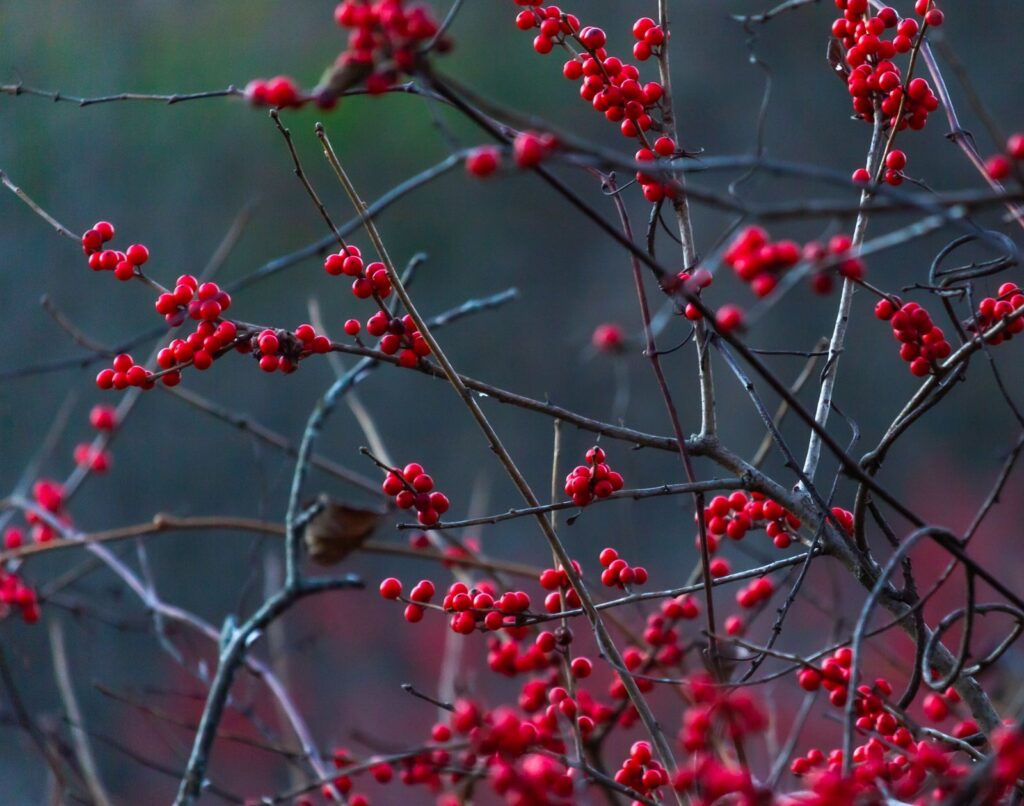
In winter, shape and berries do the work that flowers do in summer. Evergreens give structure. Winterberry holly, a native shrub that drops its leaves, keeps bright red berries into winter, though you need a male plant nearby for the females to fruit. Red-twig dogwood stems glow against snow. Witch hazel flowers in late fall or late winter, depending on the type, and hellebores and snowdrops bloom in the coldest months.
Leave ornamental grasses and sturdy seed heads such as coneflowers standing until spring. They hold frost and snow well, and the seeds feed birds. For a plan that covers every season, see our seasonal landscaping guide.
10. Light the Paths and Go Easy on Salt
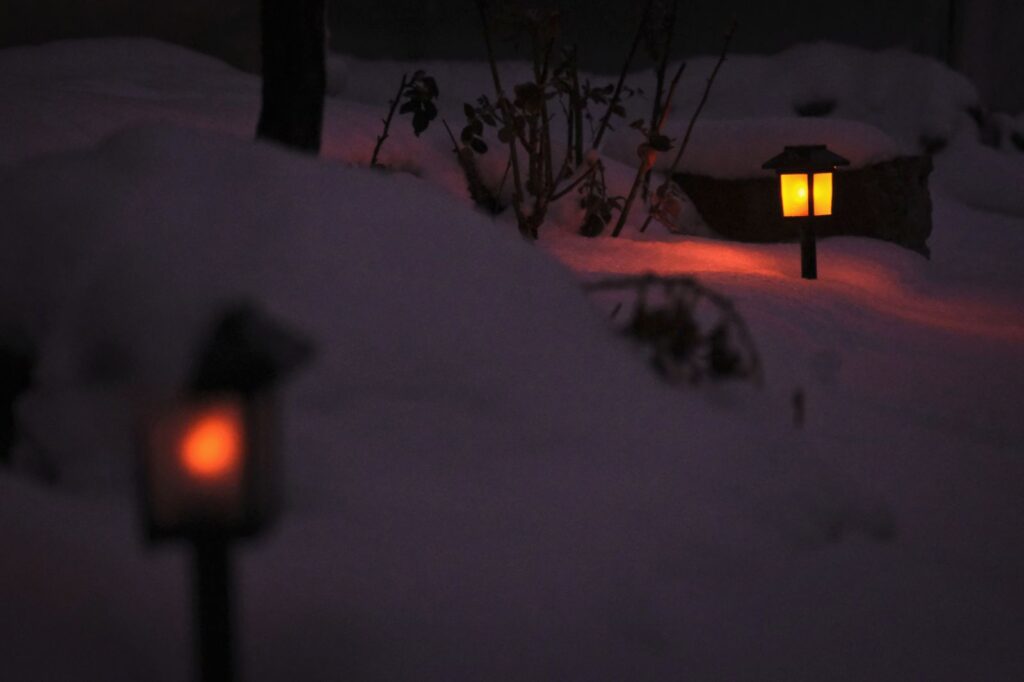
Short days mean you’ll walk the yard in the dark. Low path lights along walks and steps make them safer, and a light aimed up into an evergreen or a tree with good bark gives the yard something to look at from inside. Our landscape lighting guide covers placement.
Rock salt keeps walks clear but harms the plants beside them, because salt builds up in the soil. University of Wisconsin Extension advises using only as much as you need and shoveling first. Sand adds grip without melting anything, and it won’t damage beds.
Fall to Winter Yard Checklist
| When | Jobs |
|---|---|
| Early fall | Look up your zone and frost date. Fertilize cool-season lawns. Water trees and evergreens during dry spells. |
| Mid to late fall | Mow leaves into the lawn. Clean gutters. Mulch beds after the ground cools. Drain hoses, faucets, irrigation, and fountains before the first hard freeze. |
| Early winter | Put up burlap screens. Move tender pots to shelter. Clean, sharpen, and store tools. |
| Late winter | Prune most trees and summer-flowering shrubs. Leave spring bloomers until after they flower. |
Frequently Asked Questions
When should I start preparing my yard for winter?
Start in early fall, well before your area’s first frost date. Watering, mulching, and draining hoses and irrigation all need to be done before the ground freezes.
Should I rake leaves before winter?
Not necessarily. Shredding them into the lawn with a mower feeds the grass, and leaves in flower beds work as mulch. Just don’t leave thick, whole piles matted on the grass all winter.
Should I fertilize my lawn before winter?
Fertilize cool-season grasses such as Kentucky bluegrass and tall fescue in fall. Skip a late feeding on warm-season grasses such as Bermuda and Zoysia, which are going dormant.
Can I prune trees and shrubs in winter?
Yes. Late winter is a good time to prune most trees and summer-flowering shrubs. Wait to prune spring bloomers such as lilac and forsythia until right after they flower.
What plants add color to a winter garden?
Evergreens, winterberry holly, red-twig dogwood, witch hazel, hellebores, and snowdrops. Grasses and seed heads left standing add texture and feed birds.