
Every composting method does the same thing: it gives microbes a mix of carbon-rich “browns,” nitrogen-rich “greens,” air, and water, and they turn it into dark, crumbly soil. The methods differ in speed, space, and effort. Here are eight ways to compost at home, from a simple open pile to a worm bin under the sink, so you can pick the one that fits your yard and how much time you want to spend.
The Basics Every Method Shares
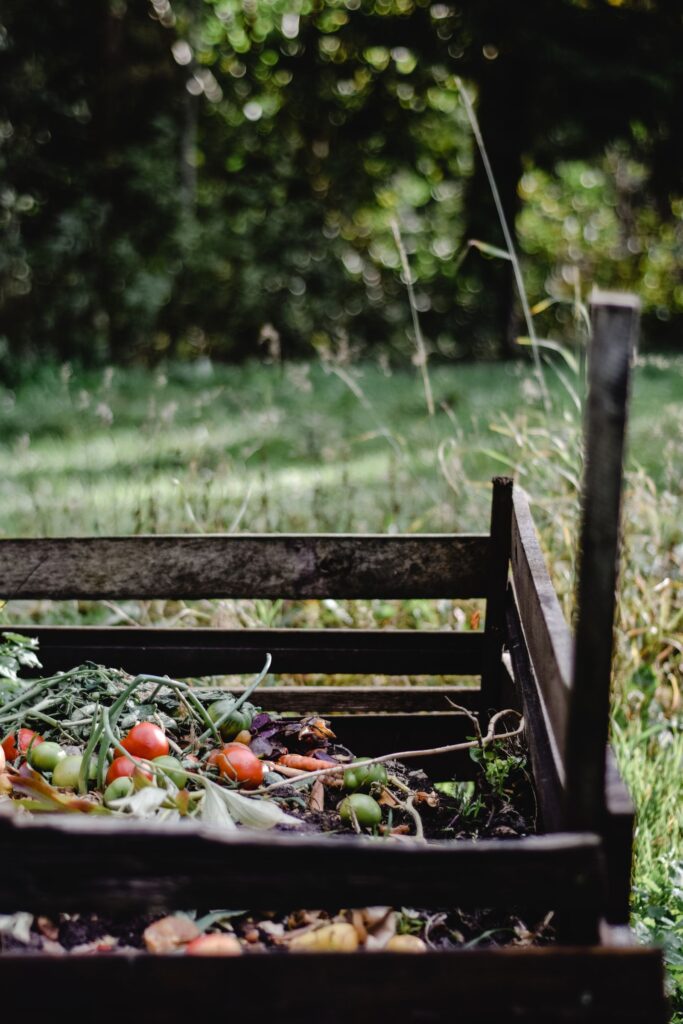
The EPA’s home composting guide sums up the recipe: at least two to three times as much brown material as green by volume, enough water that the mix feels like a wrung-out sponge, and occasional turning for air. Keep food scraps covered with 4 to 8 inches of browns to keep smells and animals down.
| Greens (nitrogen) | Browns (carbon) | Keep out |
|---|---|---|
| Fruit and vegetable scraps | Dry leaves | Meat, fish, and bones |
| Grass clippings | Plant stalks and twigs | Dairy, fats, and oils |
| Coffee grounds and paper filters | Shredded plain paper and brown bags | Pet waste and cat litter |
| Paper tea bags | Shredded plain cardboard | Diseased plants and weeds with seeds |
| Crushed eggshells | Untreated wood chips | Herbicide-treated grass, treated wood, glossy paper |
The “keep out” list is also from the EPA. Meat, dairy, and oils attract animals, and backyard piles usually don’t get hot enough to break them down safely. A compost pile works in sun or shade, so choose a spot that drains well and is easy to reach year-round, ideally near a hose.
8 Ways to Compost at Home
1. Open Pile (Cold Composting)
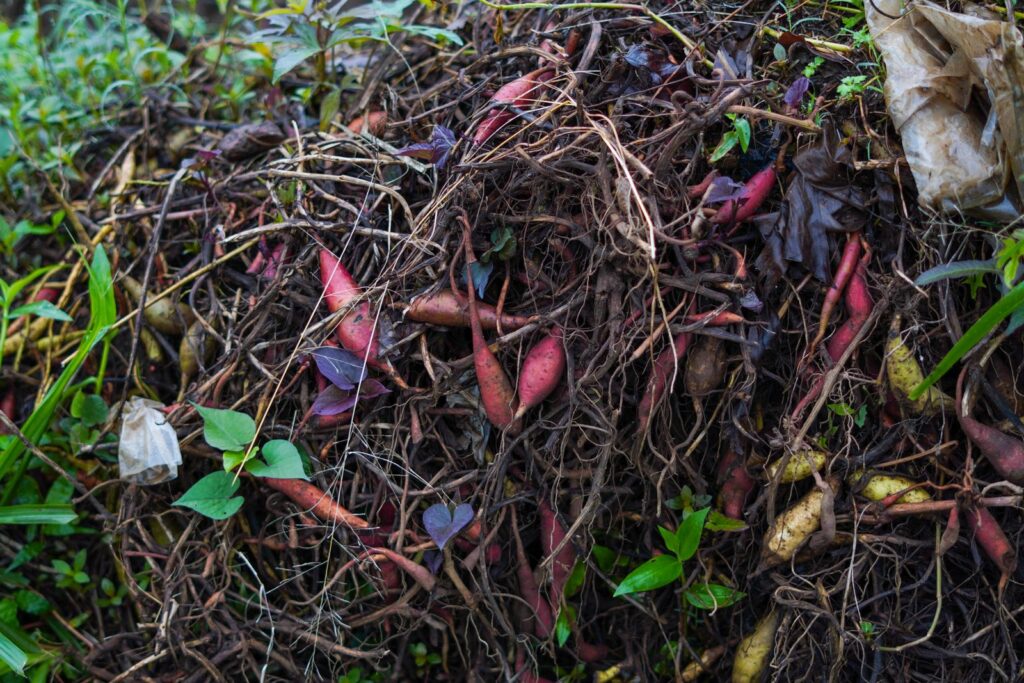
This is the least work. Heap yard waste and kitchen scraps in a corner, cover food with leaves, and let time do the rest. Without turning, the EPA notes, a pile can take a year to break down. It’s fine for leaves and garden trimmings but can attract animals if you add a lot of food scraps.
2. Hot Composting
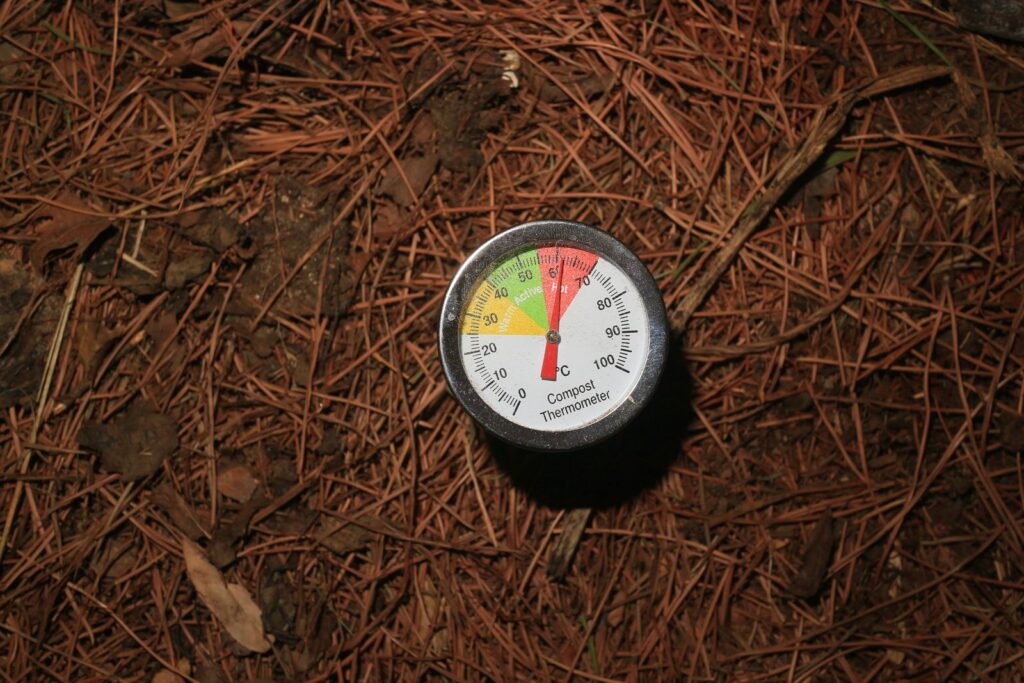
Build a pile all at once, about 3 feet on each side, with plenty of greens, keep it moist, and turn it every week or two. A well-maintained pile can reach 130°F to 160°F according to the EPA, which helps kill weed seeds and pathogens. Done this way, compost is ready in about three to five months. A long-stemmed compost thermometer shows when the center is heating up and when it’s time to turn.
3. Compost Bin
A bin keeps the pile tidy, holds in heat and moisture, and keeps out dogs. It can be a wire cylinder, a wooden pallet box, cinder blocks, or a plastic bin with a lid. A two- or three-bay wooden bin lets one batch finish while you fill the next. Our guide to building a compost bin shows several designs.
4. Compost Tumbler
A tumbler is a closed drum on a stand that you turn with a handle, which makes mixing easy and keeps out rodents. It suits small yards and people who can’t fork a heavy pile. The catch is capacity: each batch is small, so many people use two tumblers, one finishing while they fill the other. Tumblers still need browns, since food scraps alone turn into a wet, smelly mess.
5. Worm Bin (Vermicomposting)
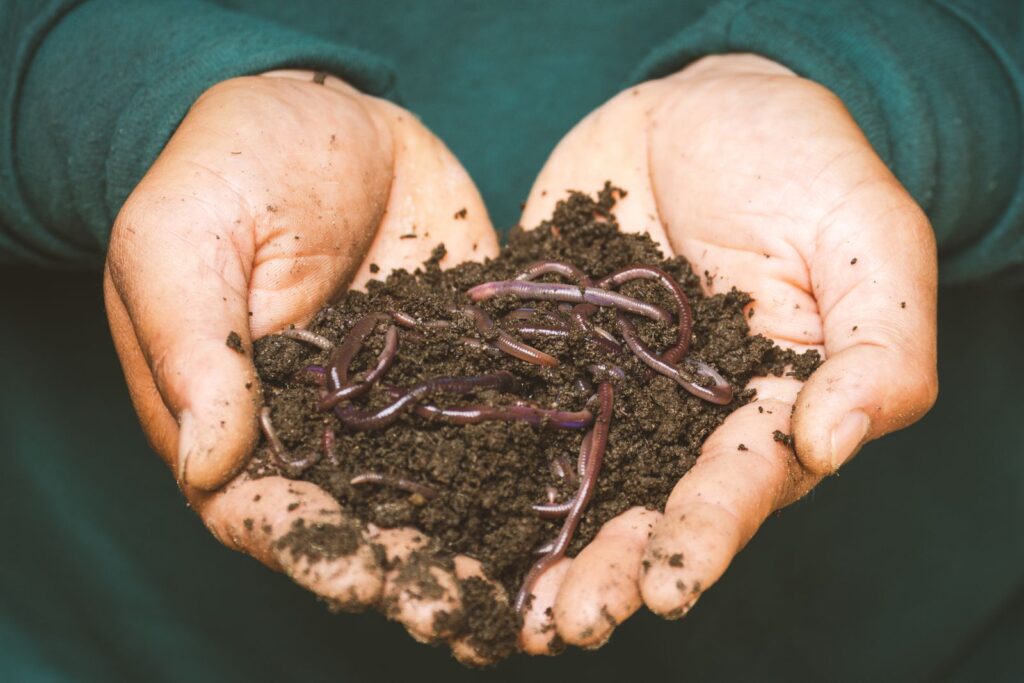
Red wiggler worms in a bin of moist shredded paper eat kitchen scraps and leave behind rich castings. It works indoors, so it’s a good fit for apartments. The UC Master Gardener Program says these worms thrive between 55°F and 77°F, and that a pound of worms eats one to two pounds of food a week, so start small and feed accordingly. Red wigglers are not the same as garden earthworms and won’t survive in an ordinary soil bed or a hot compost pile.
6. Bokashi
Bokashi isn’t true composting. It’s fermentation in a sealed bucket, using bran inoculated with microbes. It handles small amounts of cooked food, meat, and dairy that don’t belong in a backyard pile, and it fits under the sink. The fermented result still has to finish in soil or a compost pile before plants can use it, so you need a place outdoors to bury it.
7. Trench Composting
Dig a trench or hole about a foot deep in a bed you’ll plant later, add fruit and vegetable scraps, and cover them with soil. They break down in place, right where roots will use them. There’s no bin to manage, but it only handles small amounts, and you need to bury scraps deep enough that animals don’t dig them up.
8. Leaf Mold
Pile fall leaves in a wire enclosure or in bags with a few holes, keep them damp, and leave them alone. Fungi slowly break them into leaf mold, a crumbly material that’s excellent for improving soil and holding moisture. It takes much longer than compost, often a year or more, but it costs nothing and needs no turning. Shredding the leaves first speeds it up.
Which Method Should You Choose?
| Method | Speed | Effort | Best for |
|---|---|---|---|
| Open pile | Slow | Low | Big yards with lots of leaves |
| Hot composting | Fast | High | Gardeners who want compost quickly |
| Compost bin | Medium | Medium | Most backyards |
| Tumbler | Medium | Low | Small yards, easy turning |
| Worm bin | Medium | Low | Apartments and kitchen scraps |
| Bokashi | Fast to ferment | Low | Cooked food, meat, and dairy scraps |
| Trench | Slow | Low | Small amounts, vegetable beds |
| Leaf mold | Very slow | Very low | Yards with lots of trees |
Fixing Common Problems
- Smells bad: it’s too wet or packed. Add browns and turn it.
- Not heating up: it needs more greens or water. Mix them in and turn it.
- Too dry or nothing happening: moisten the pile and turn it.
- Animals: bury food scraps under browns, leave out meat and dairy, and use a closed bin or line the base with hardware cloth.
When It’s Done and How to Use It
Compost is ready when it no longer heats up after turning, you can’t recognize the original food, and it’s dark, crumbly, and smells like fresh soil. The EPA suggests letting it cure for at least four more weeks before use. Sift out sticks and pits and throw them back in the next batch. Spread an inch or two over beds, mix it into soil before planting, or use it as a top dressing around plants. Our raised garden bed and seasonal planting guides show where it helps most.
Frequently Asked Questions
What is the easiest way to compost at home?
A simple bin or open pile in the yard. Add two to three times as many browns, like dry leaves, as greens, like food scraps, keep it about as damp as a wrung-out sponge, and turn it now and then. In an apartment, a worm bin is the easiest option.
Are coffee grounds green or brown?
Green. The EPA lists coffee grounds and paper filters with the nitrogen-rich greens, along with fruit and vegetable scraps and grass clippings.
What should I not put in a compost pile?
The EPA advises keeping out meat, fish, bones, dairy, fats and oils, pet waste, diseased plants, weeds with seeds, herbicide-treated grass, treated wood, and glossy paper.
How long does compost take?
A well-maintained, regularly turned pile is ready in about three to five months, according to the EPA. An untended pile can take a year or more. Let finished compost cure for at least four weeks before using it.
Does a compost pile need sun?
No. The EPA notes that a pile breaks down in sun or shade. Choose a spot that drains well, is easy to reach year-round, and is close to a water source.