
A good seasonal landscape never has a dead month. Spring bulbs hand off to summer perennials, and fall color gives way to winter berries and evergreens, so something is always worth looking at from the kitchen window. Getting there is mostly a matter of choosing plants for when they peak, not just for how they look in the garden center.
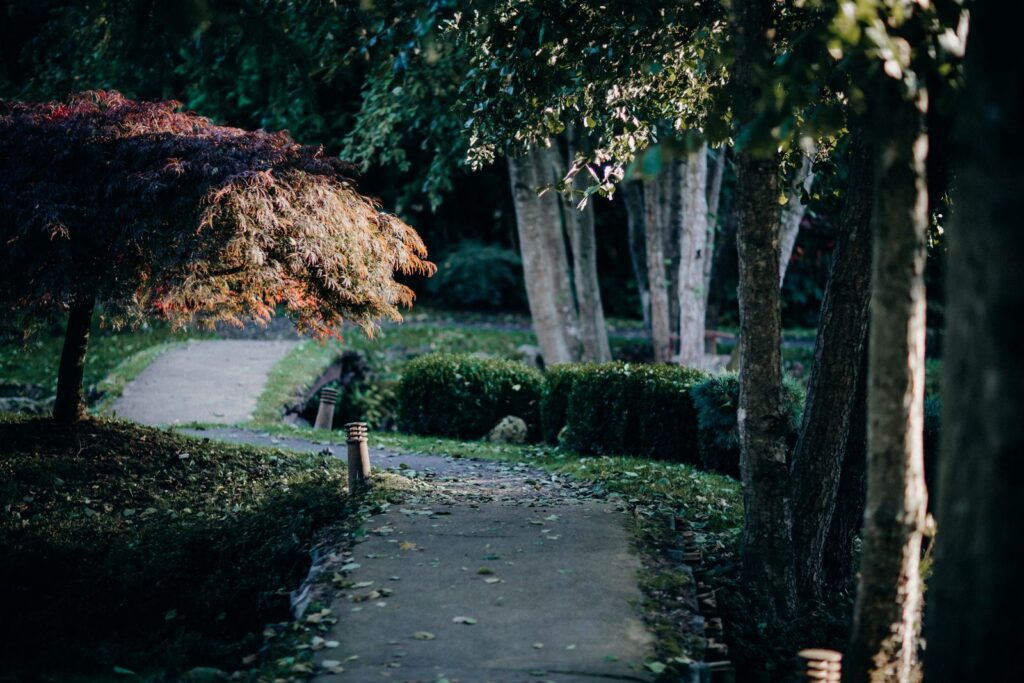
This guide covers how seasons shape a garden, how to design and plant for year-round interest, and what to do in the yard each season.
Key Takeaways
- Plan for winter first. Evergreens, colorful bark, and berries carry the garden when flowers can’t.
- Stagger bloom times so something flowers from early spring to late fall.
- Time your chores to the plants: most pruning belongs in late winter, not fall, and spring bloomers get pruned right after they flower.
Fundamentals of Seasonal Landscaping
Understanding Seasonal Changes
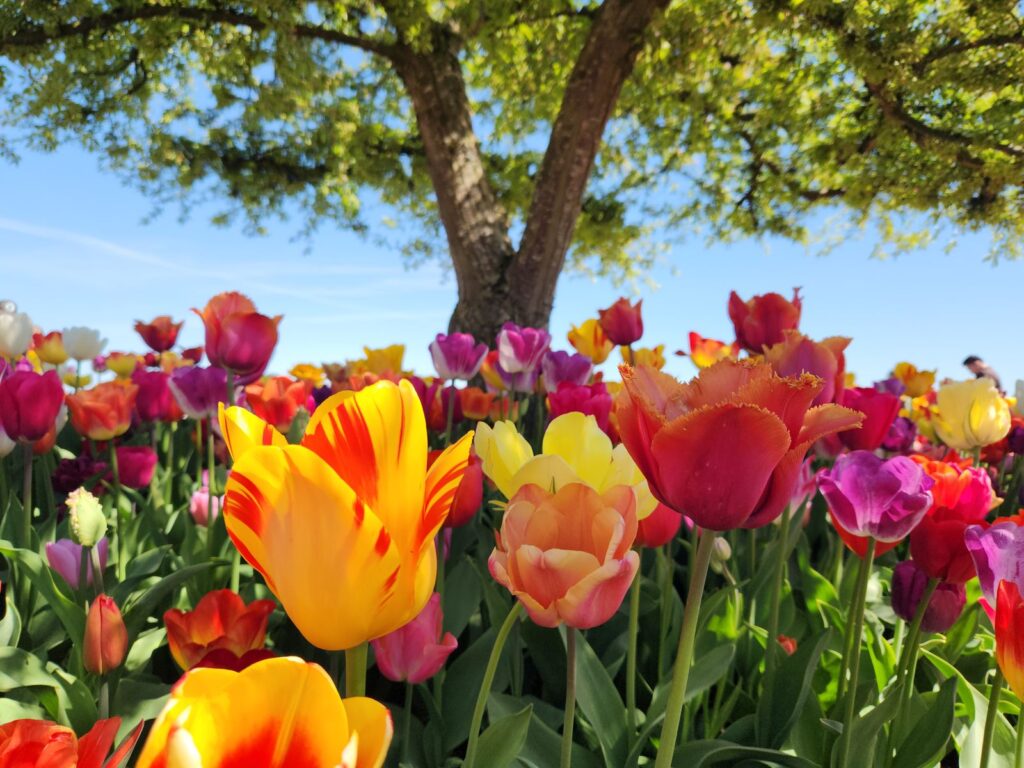
Every season brings different weather, and that decides when plants grow and bloom. Spring brings bulbs like tulips and daffodils. Summer suits sun-lovers such as sunflowers and lavender. Fall belongs to maples and oaks turning color. Winter is carried by evergreens and plants with structure.
Your hardiness zone and local climate shift that calendar by weeks, so note when things actually happen in your own yard. Our seasonal planting guide covers what to plant when.
Four-Season Landscape Elements
Flowers are only part of it. A garden that works all year leans on bark, berries, and a plant’s overall shape as much as on blooms. That matters most in winter, when you rely on structure instead of color.
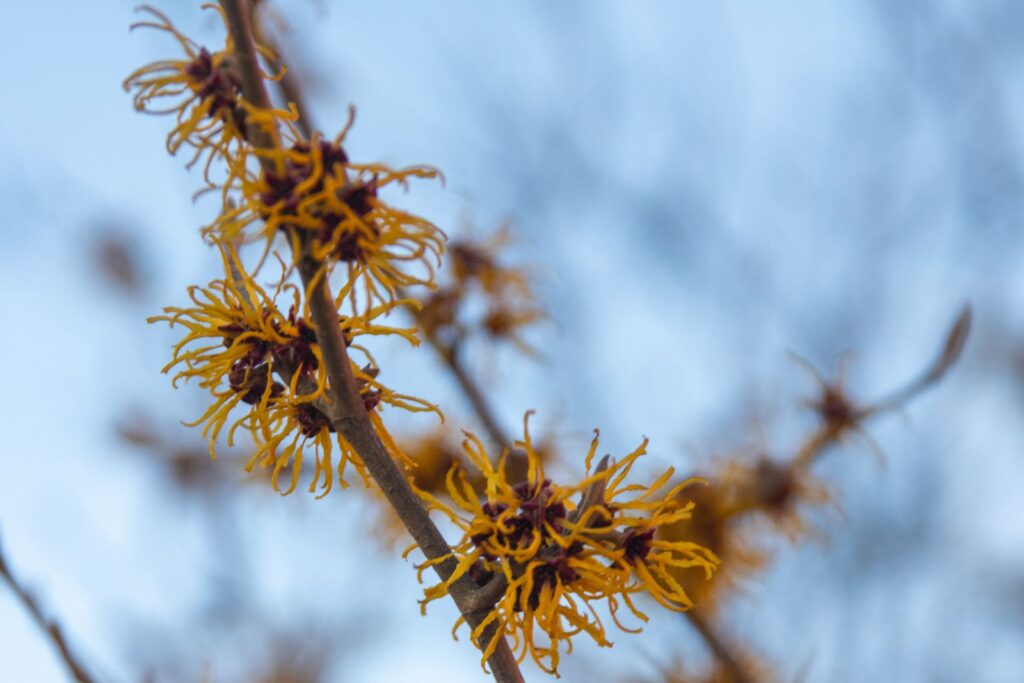
The Morton Arboretum’s four-season plant list is full of winter performers: paperbark maple and river birch for peeling bark, winterberry for bright red berries, and witch hazels that bloom in late fall or in February and March. Add evergreens like pine and holly, and the garden has a backbone through the cold months.
Creating a Year-Round Garden
Mix woody plants with perennials and bulbs, and make sure every season has at least two plants at their best. Vary heights and textures so the garden doesn’t flatten out when one group finishes. Mulch the beds to keep soil moist and weeds down.
Designing Your Seasonal Landscape
Developing a Color Palette
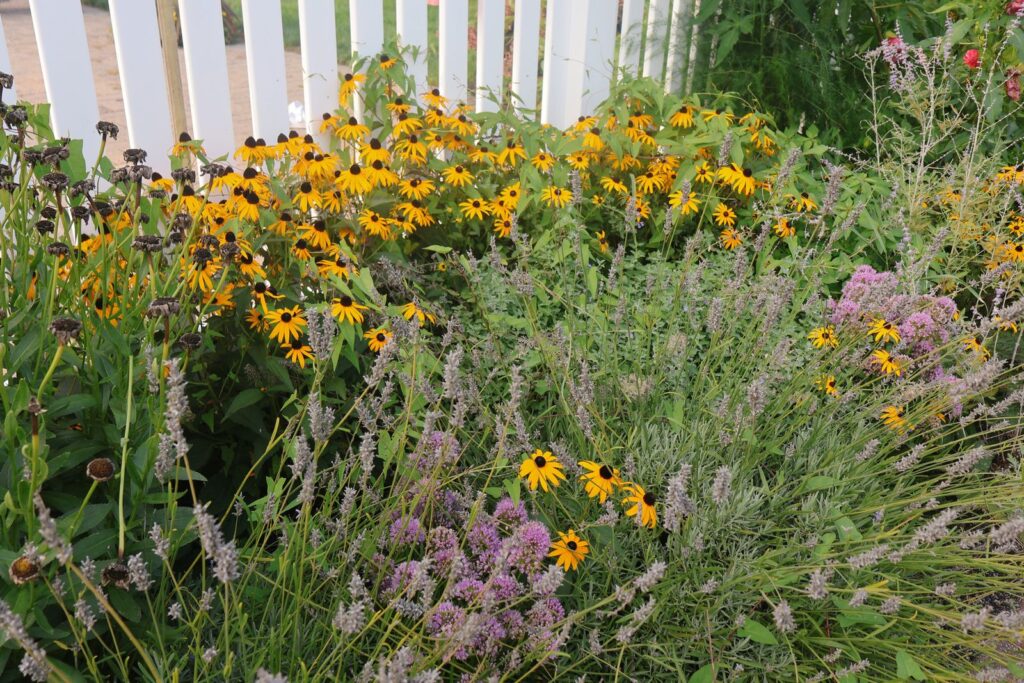
Let the palette shift with the year. Soft pinks and yellows feel right in spring. Summer can take bold reds, oranges, and blues. Fall brings golds, rusts, and deep reds. In winter, evergreens and red berries do the work against snow or bare ground, with pale bark as a bonus.
Incorporating Textures and Forms
Contrast keeps a bed interesting. Pair soft, fuzzy lamb’s ear with spiky yucca, or fine grasses with broad hosta leaves. Rounded shrubs soften straight paths and walls, and stone adds a solid counterpoint to all that foliage.
Layering for Visual Interest
Plant in tiers: trees and large shrubs at the back, mid-size perennials in the middle, groundcovers and low plants in front. Every plant gets light, nothing gets hidden, and the bed looks full from any angle.
Choosing Focal Points
A focal point gives the eye somewhere to land: a specimen tree, a bench, a sculpture, a birdbath. Put it at the end of a path or where you see it from the house. Then dress it for each season, with bulbs around the base in spring and a red-leaved shrub behind it in fall. Whether your style is formal or informal, one strong focal point beats several weak ones.
Plant Selection and Care
Deciduous vs. Evergreen Plants
Deciduous trees and shrubs, like maples, oaks, and many flowering shrubs, drop their leaves in fall. In return they give you fall color and let winter sun through. Evergreens like pine and spruce keep their foliage all year, giving structure and blocking wind.
- Deciduous: seasonal color and change.
- Evergreen: year-round green and a windbreak.
Selecting Diverse Plants for Continuous Color
Choose plants that peak in different seasons:
- Spring: tulips, daffodils, and flowering shrubs
- Summer: roses, coneflowers, and sunflowers
- Fall: asters, chrysanthemums, and sedum
- Winter: holly, winterberry, and witch hazel
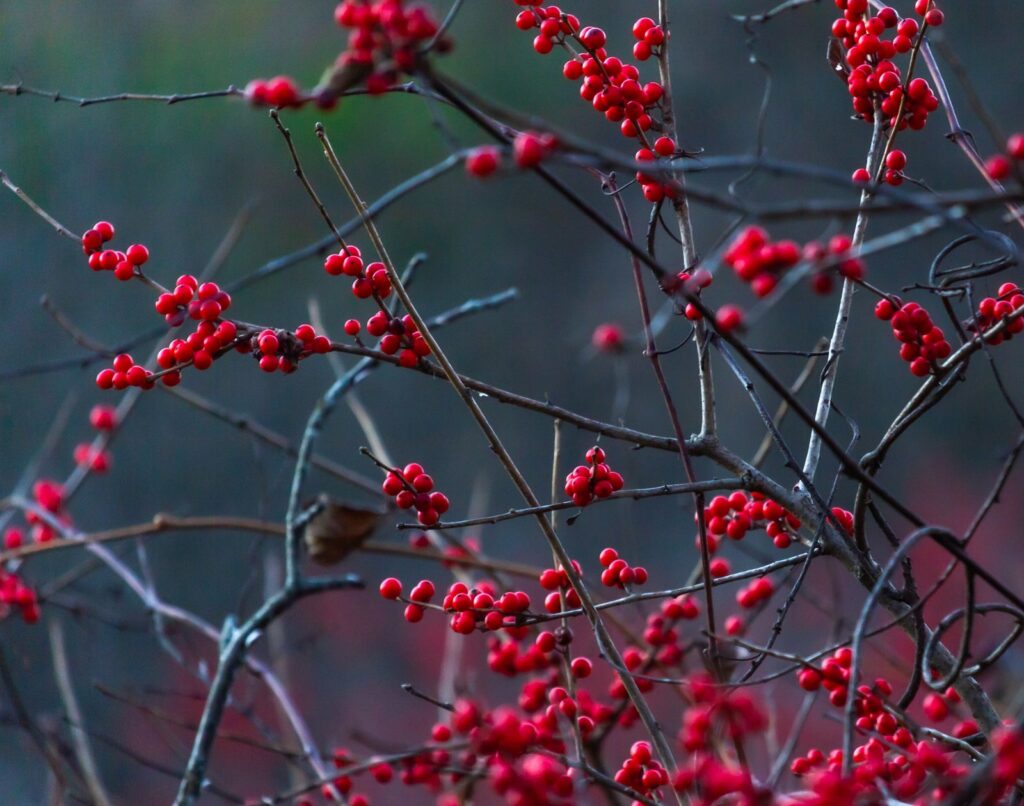
Winterberry is worth a note: only female plants carry berries, and they need a male plant nearby to set fruit. Ask for a matched pair at the nursery.
Timing Bloom Times for Succession Planting
Succession planting means overlapping bloom times so the garden never goes quiet:
- Early: snowdrops, crocus, and hyacinth
- Mid: peonies, lilies, and daylilies
- Late: sedum and fall anemones
Caring for Your Plants Through Seasons
- Late winter: prune most trees and shrubs while they’re dormant.
- Spring: mulch, feed if a soil test calls for it, and prune spring bloomers like lilac and forsythia right after they flower.
- Summer: water deeply during dry spells and deadhead to keep flowers coming.
- Fall: plant bulbs, mulch leaves into the beds, and hold off on pruning.
- Winter: brush heavy snow off shrubs and protect tender plants.
Incorporating Hardscape Elements

Hardscape matters most in winter, when bare branches leave it on full display. A stone wall or an arbor catches snow and frost and becomes a focal point on its own. In cold climates, choose stone or brick rated to handle freeze and thaw so it doesn’t crack.
Curved paths feel softer and straight ones more formal, and solar lights along the edges make them usable after dark. For materials and design, see our guide to hardscaping essentials. If you’re considering a fountain or pond, our water features guide covers year-round care, including winter.
Seasonal Additions and Variations
Integrating Annuals and Bulbs
Annuals like petunias and marigolds bloom for months and let you try a new look every year. Bulbs give you the earliest color. Plant them in fall, and try layering different bulbs in the same hole, deepest on the bottom, so they bloom one after another.
Adding Ornamental Grasses
Grasses add movement in summer and seed heads that stand up through winter. Native switchgrass and little bluestem are tough, low-maintenance, and turn copper and bronze in fall. They’re also safer choices than Miscanthus, which NC State Extension lists as an invasive that seeds into nearby land. Leave the stems standing until spring for winter interest and bird food.
Enhancing with Decor for Seasonal Festivities
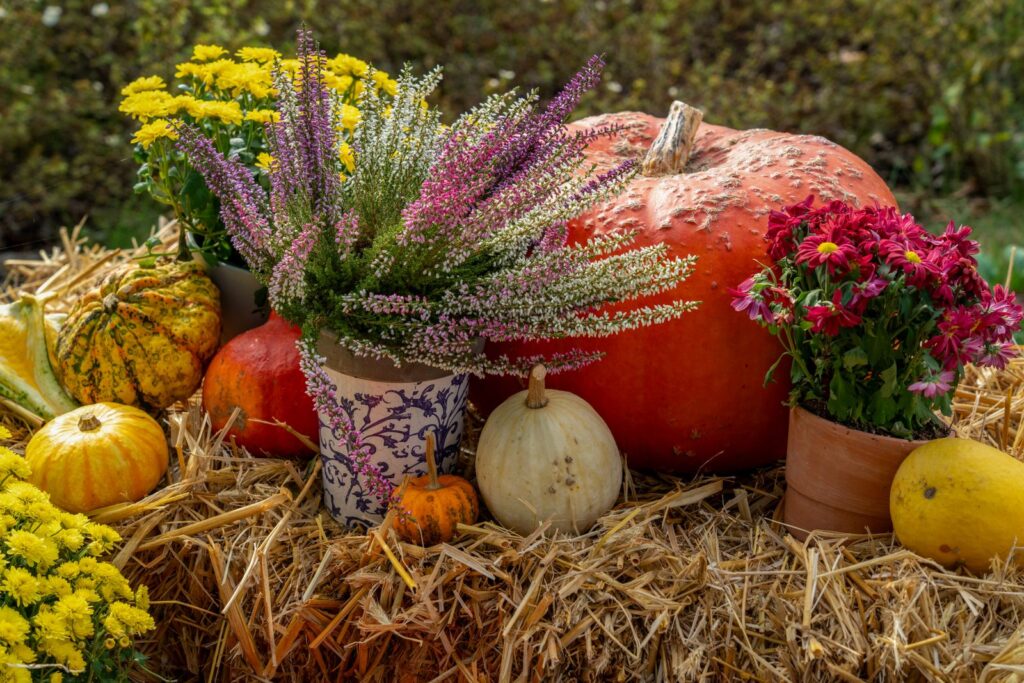
Pumpkins and mums in fall, wreaths and lanterns in winter, and planters swapped out each season give the garden a festive touch. Natural pieces like pinecones and gourds blend in best, and they can go on the compost pile when the season ends.
Landscape Maintenance Through the Seasons
Spring Renewal and Planting
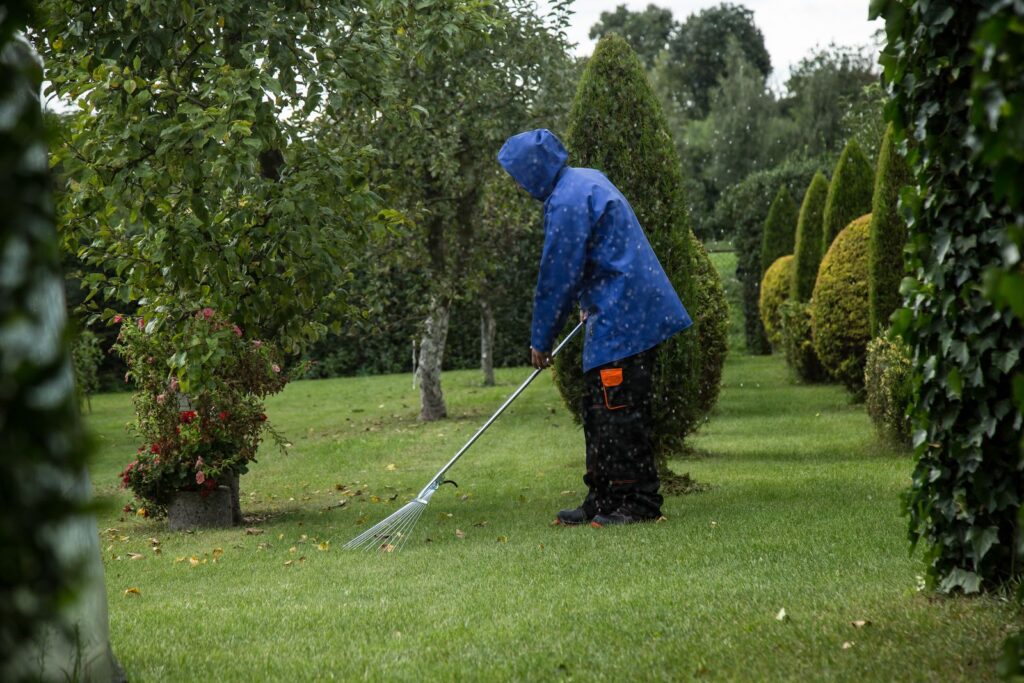
Clear winter debris from paths and lawns, but leave last year’s perennial stems standing until late spring, since the Xerces Society notes many native bees nest and overwinter in them. Spread compost and fresh mulch, and get new plants in while spring rains help them settle. Water new plantings until they’re established.
Summer Upkeep and Moisture Management
Water early in the morning, deeply and less often, and use drip irrigation where you can. Keep mulch topped up. Deadhead flowers, trim hedges after their spring flush, and check for pests every week or so. Drought-tolerant plants earn their place this time of year.
Autumn Transitions and Preparations
Fall is bulb season: plant tulips, daffodils, and crocus now for spring. Don’t let leaves smother the lawn, but don’t bag them all either. Mow them into the grass or shred them as mulch for beds, and leave some under shrubs, where the Xerces Society notes butterflies, moths, and other insects spend the winter.
Hold off on pruning. Cuts made in fall push out tender new growth that can’t harden before frost, and they heal slowly. University of Georgia horticulturists recommend waiting until late winter. The exception is dead, damaged, or broken branches, which you can remove any time.
Winter Protection and Interest
Water evergreens deeply in late fall, before the ground freezes, so they don’t dry out over winter. Wrap young or exposed evergreens in burlap to shield them from drying winds and winter sun, and throw frost cloth over tender plants on cold nights. After heavy snow, brush branches off gently before they bend or break.
Winter is also when you see what the garden is missing. If the view from the window is bare, note where an evergreen, a berry shrub, or a tree with good bark would help. For a full checklist, see our winter landscaping tips and how to prepare your yard for winter.
Enhancing Biodiversity and Sustainability
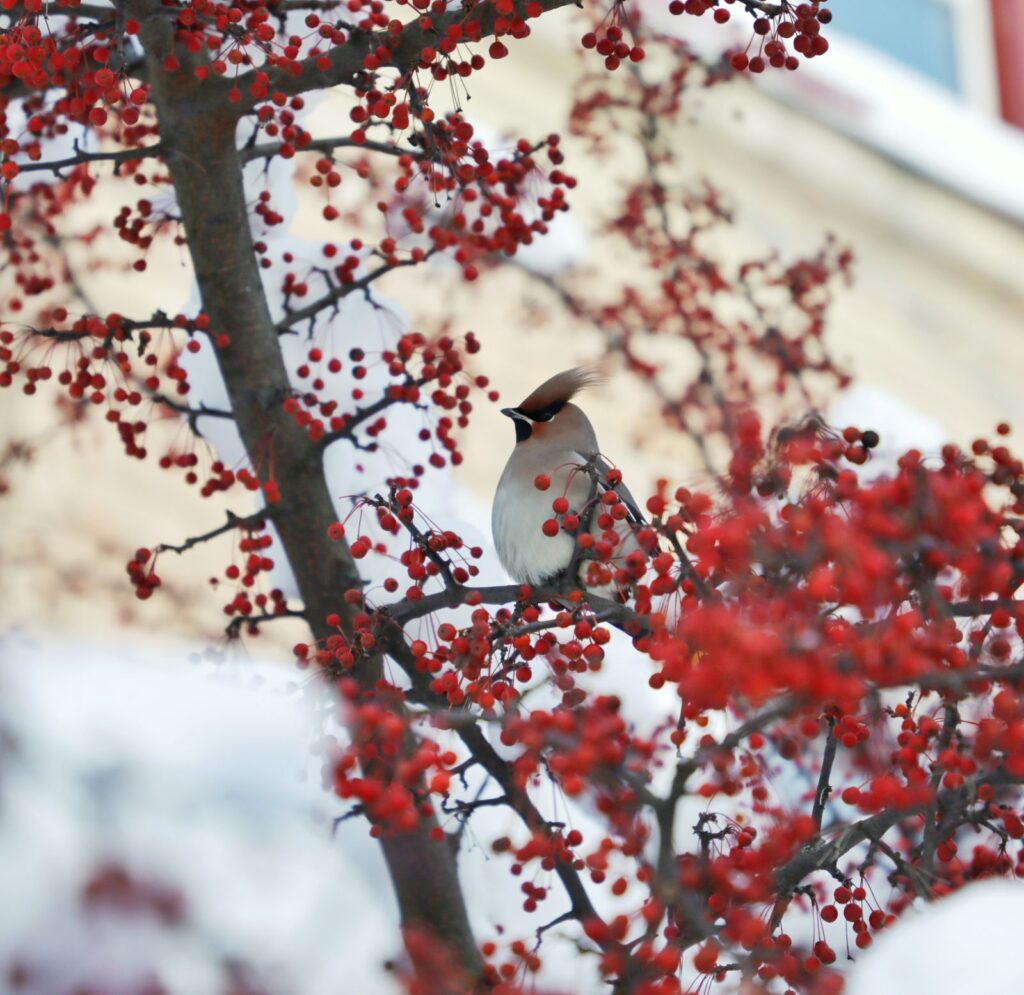
A seasonal garden can feed wildlife all year. Native plants are the base: milkweed hosts monarch caterpillars, oaks support hundreds of insect species, and berry shrubs like winterberry feed birds in the hungriest months. Plant in layers, from groundcovers to trees, and birds get nesting sites too.
Mixing many species also makes the garden more resilient, since one pest or disease can’t take everything out. Deep-rooted natives like prairie grasses hold soil and handle dry spells. For more, see our guides to a wildlife-friendly garden and sustainable landscaping.
Privacy and Boundary Solutions
Using Plants for Natural Privacy
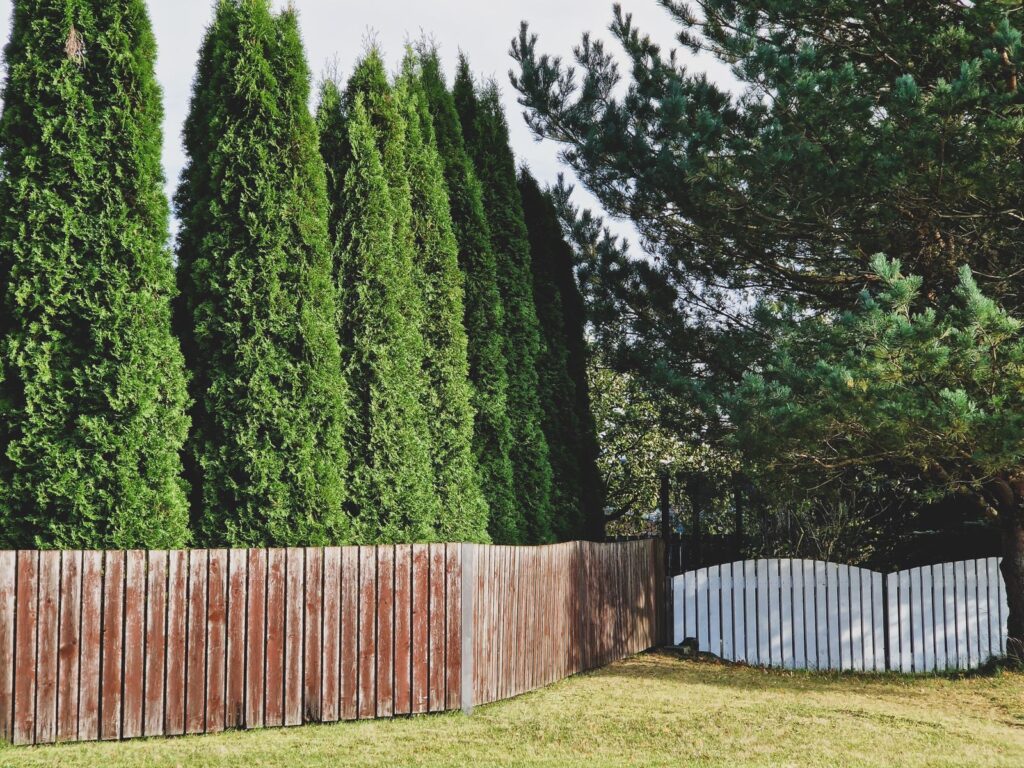
Evergreens give privacy in every season. Arborvitae, holly, and boxwood stay green all year, and arborvitae grows tall and narrow enough to screen a fence line. Planted close together, they form a living wall that blocks views and softens noise.
Avoid running bamboo. It spreads 3 to 5 feet a year by underground runners, often into neighbors’ yards, and some states and towns now regulate it, according to the Brandywine Conservancy. If you want bamboo, choose a clumping variety.
Strategic Placement for Screening
Stand where you sit and note exactly which sightlines you want to block. Often a few well-placed trees at a corner do more than a hedge along the whole boundary. Layer taller plants behind shorter ones for extra cover.
Where space is tight, a trellis with a climber makes a quick vertical screen. Choose clematis or native coral honeysuckle rather than English ivy, which NC State Extension lists as an invasive that smothers woodlands.
Frequently Asked Questions
What are the best plants to use for landscaping in different seasons?
Tulips, daffodils, and flowering shrubs in spring; roses, coneflowers, and sunflowers in summer; asters, mums, and sedum in fall; and holly, winterberry, witch hazel, and evergreens in winter. Check that each plant suits your hardiness zone.
How can I ensure my garden thrives in each season?
Mulch your beds, water deeply during dry spells, and prune at the right time, which for most trees and shrubs is late winter. Feed only when a soil test shows a need, and check regularly for pests.
What are some tips for preparing my landscape for seasonal changes?
Adjust watering as the weather changes, keep frost cloth handy for cold nights, and water evergreens well before the ground freezes. Plant spring bulbs in fall, and mulch leaves into beds instead of bagging them all.
Can you suggest any color schemes or themes for landscaping throughout the year?
Soft pinks and yellows in spring, bold reds and oranges in summer, golds and rusts in fall, and evergreen green with red berries and pale bark in winter. Seasonal decor like pumpkins or wreaths can carry a theme.
How do I maintain my landscape during extreme seasonal weather conditions?
Mulch protects roots from heat and cold. Windbreaks and burlap wraps shield evergreens from drying winter winds. Good drainage prevents waterlogging in heavy rain, and drought-tolerant plants cope best with dry spells.
What are some water-efficient landscaping strategies for dry seasons?
Choose drought-tolerant and native plants, water with drip irrigation, group plants with similar water needs, and keep a layer of mulch on every bed.