
Hardscaping is everything in your yard that isn’t alive: patios, paths, walls, steps, edging, and fire pits. It’s the structure that makes a yard usable, and most of its long-term success depends on what you can’t see, the base underneath and how water drains away. Get those right and a patio or path will last for decades.
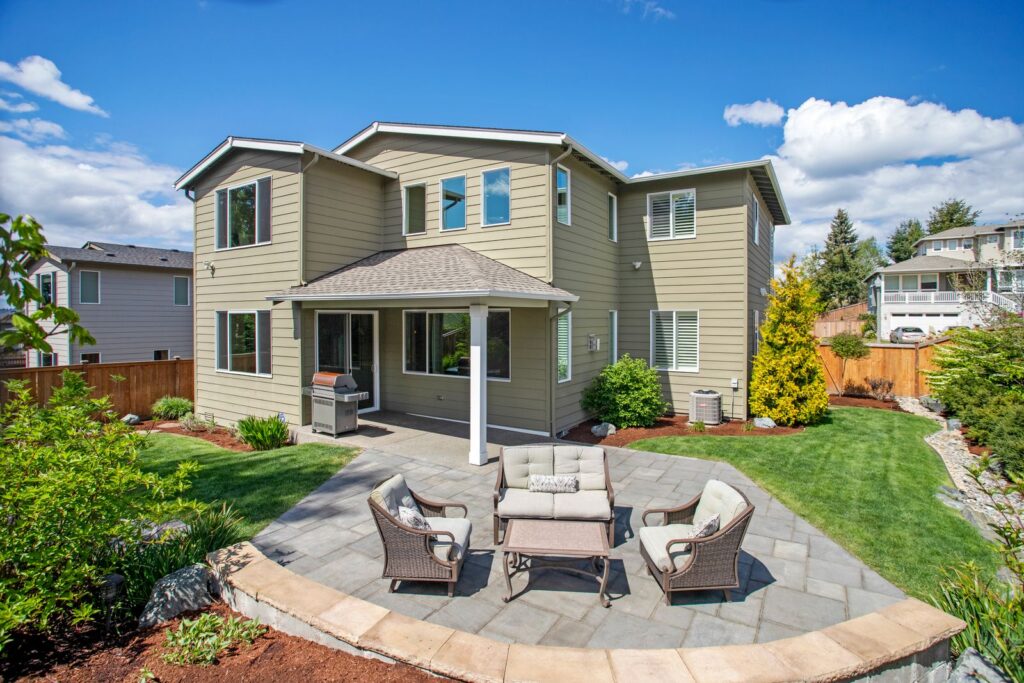
This guide covers the main materials, the most common projects, how they’re built, and what they’re worth when you sell.
Key Takeaways
- The base and drainage matter more than the surface material. Most cracks and sinking start below ground.
- Choose materials for how the space will be used, then for looks. A patio that bakes in the sun or a path that turns slick in rain fails no matter how good it looks.
- Hardscaping holds its value well. Realtors estimate a new paver patio recovers about 95% of its cost at sale.
Hardscaping Basics
Defining Hardscaping
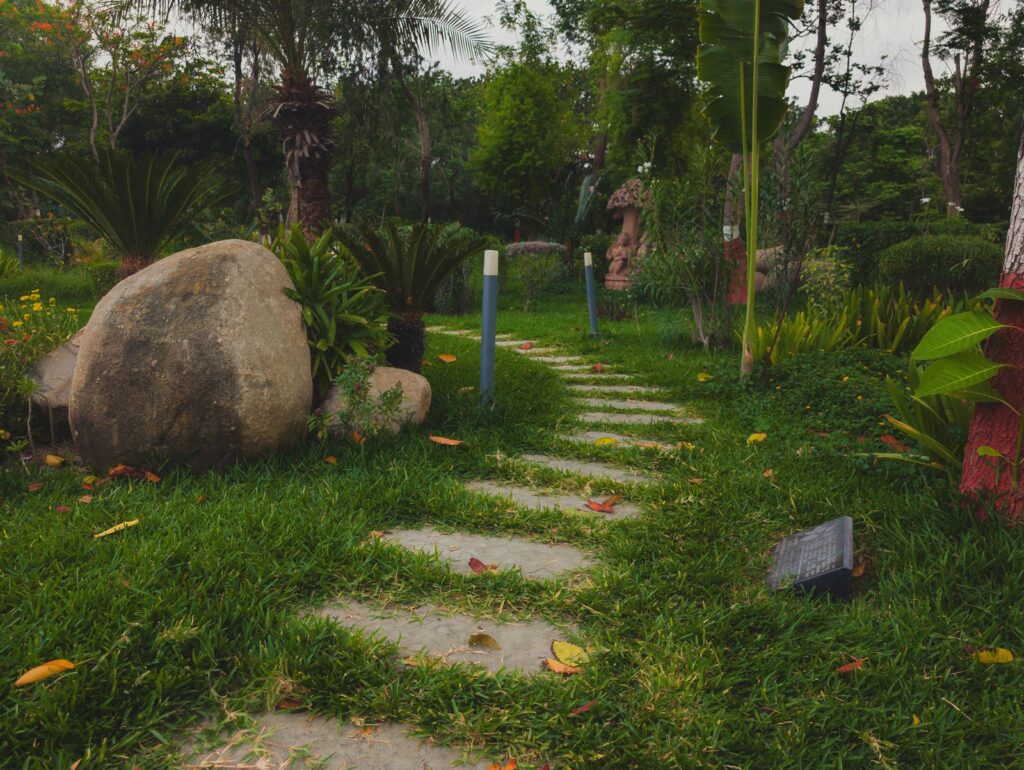
Hardscaping covers the built parts of a landscape: patios, walkways, retaining walls, steps, driveways, edging, pergolas, and fire features. They’re usually made from stone, brick, concrete, wood, or metal. Done well, hardscape creates places to sit and walk, controls erosion on slopes, and moves rainwater where you want it.
Hardscaping vs. Softscaping
Softscaping is the living part of the yard: lawn, trees, shrubs, and flowers. The two work best together. A patio edged with planting beds feels softer and more inviting than bare stone, and paths give a garden structure. Hardscape needs little upkeep once built, while plants need ongoing care, so the balance between them also sets how much work the yard will be.
Planning and Design
Assessing Your Outdoor Space
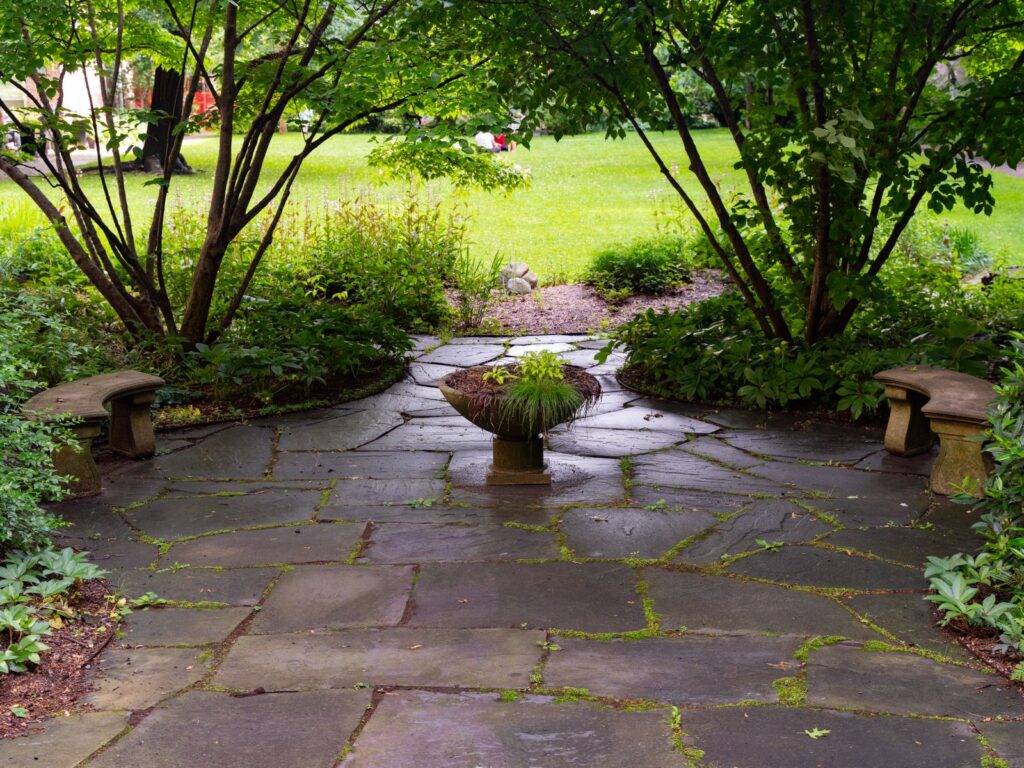
Measure the area, note slopes and where water runs after rain, and watch sun and shade through the day. Plan paths to go where people actually walk, and keep main routes even and wide enough for strollers or wheelchairs. Before you dig, call 811, the free national call-before-you-dig line, to get buried utilities marked.
Design Considerations
Match the style to the house. Smooth rectangular pavers and clean lines suit a modern home. Flagstone, brick, and curves suit cottage and traditional styles. Keep to two or three materials so the yard looks planned, and size patios to the house and the furniture you’ll put on them. Check local zoning and HOA rules before you build.
Choosing The Right Materials
Think about use and climate first. In wet climates, choose textured, slip-resistant surfaces, since smooth stone and sealed pavers get slick. In hot, sunny spots, dark stone gets hot underfoot, and lighter colors stay cooler. Factor in maintenance and cost too, not just the price per square foot.
Materials for Hardscaping
Natural Stone Options
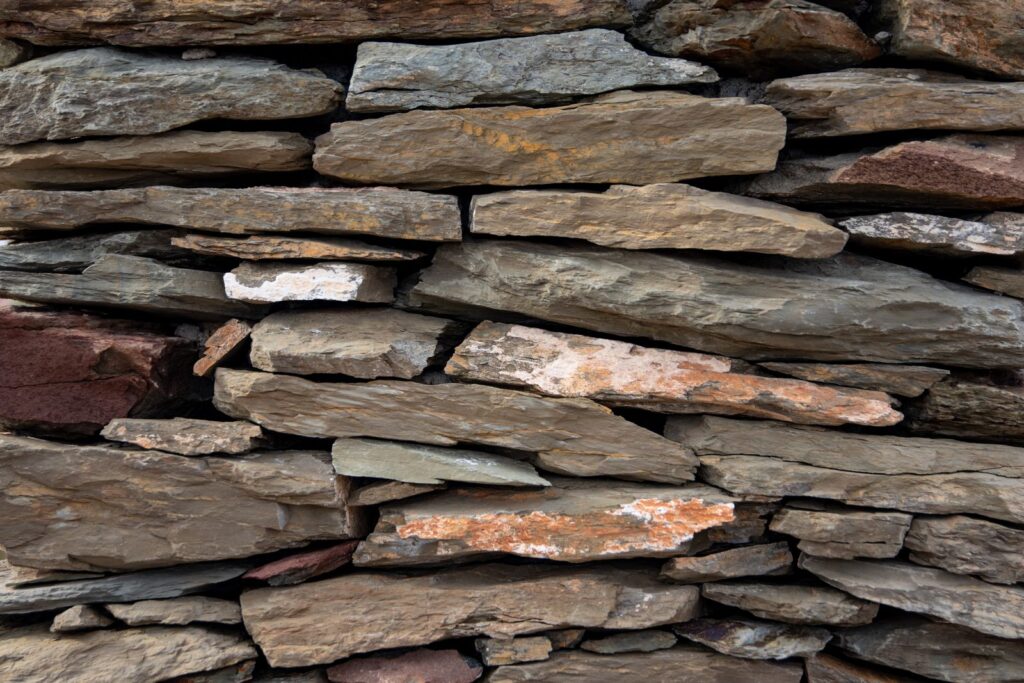
Granite is the toughest and handles heavy traffic and harsh weather. Bluestone and slate split into flat flagstones that suit patios and paths. Limestone is softer, with a smooth, refined look, but it wears faster and can stain. Natural stone costs the most but lasts the longest and never looks dated.
Manufactured Composites and Pavers
Concrete pavers are the workhorse of hardscaping. They’re affordable and strong, and a cracked one can be lifted out and replaced. Brick pavers look classic. Lay either in a herringbone pattern for driveways, since it locks together best under car weight. Composite pavers made partly from recycled material can mimic stone or wood.
Wood and Alternatives
Wood brings warmth to decks and pergolas. Cedar and redwood resist rot and insects naturally but still need sealing or staining every few years. Composite decking, a blend of wood fiber and plastic, skips the staining and lasts longer, though it costs more up front and can get hot in direct sun.
Metal In Landscaping
Steel and aluminum make crisp edging and planters. Aluminum is light and doesn’t rust. Corten steel forms a stable rust-colored layer that protects it, giving a weathered look that pairs well with wood and stone.
Innovative and Sustainable Choices
Permeable pavers and gravel let rain soak through to the soil below instead of running off. The EPA notes permeable pavement reduces runoff and can help filter pollutants. Permeable pavers need a deeper, open-graded gravel base than standard pavers so water can drain through. Locally quarried stone and recycled materials cut shipping and waste.
Key Hardscaping Projects
Creating Patios and Decks
Patios sit on the ground and suit flat yards. Stone and pavers look the most finished, and gravel is the cheapest and easiest. Decks are raised, so they work on slopes or where the back door sits well above the ground, but they’re a bigger build and usually need a permit.
Walkways and Pathways
Paths protect lawns and beds from foot traffic and lead people where you want them to go. Stepping stones suit a garden, while brick, stone, or pavers suit main routes. Keep edges defined and surfaces even. See our DIY walkway installation guide and easy garden path ideas.
Retaining Walls and Slope Management
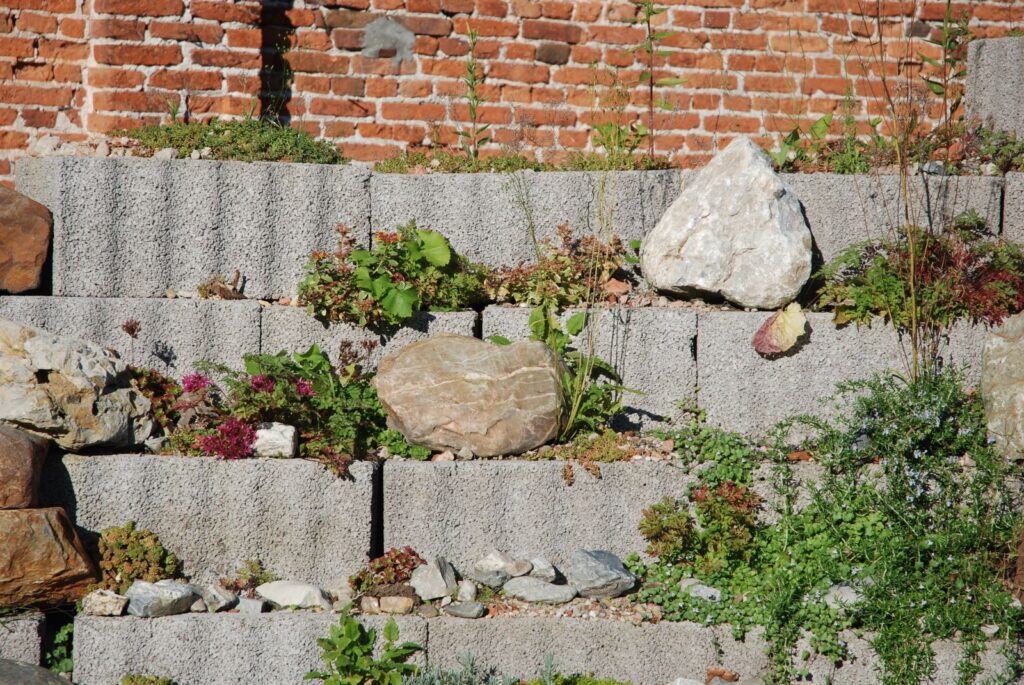
Retaining walls hold back soil to create level ground on a slope. Segmental concrete blocks are the most DIY-friendly, and natural stone and timber are other options. Every retaining wall needs drainage behind it, usually gravel backfill and a perforated pipe at the base, or water pressure will push it over in time.
Height changes the job. Many cities, including Portland, Oregon, require a permit and an engineered design for walls over 4 feet, and walls holding up a driveway or other load may need one at a lower height.
Driveways and Accessibility
Concrete and asphalt are the most common driveway surfaces. Pavers cost more but look finished and are easy to repair, and gravel is cheapest. A driveway needs a deeper, stronger base than a patio to carry cars. Make sure the route from parking to the front door is smooth and well lit.
Water Features and Fire Pits
Fountains and ponds add sound and movement, covered in depth in our water features guide. Fire pits turn a patio into an evening gathering spot. Keep them well clear of the house and trees, and check local burn rules. Our DIY fire pit ideas include placement tips.
Functional and Aesthetic Enhancements
Outdoor Lighting
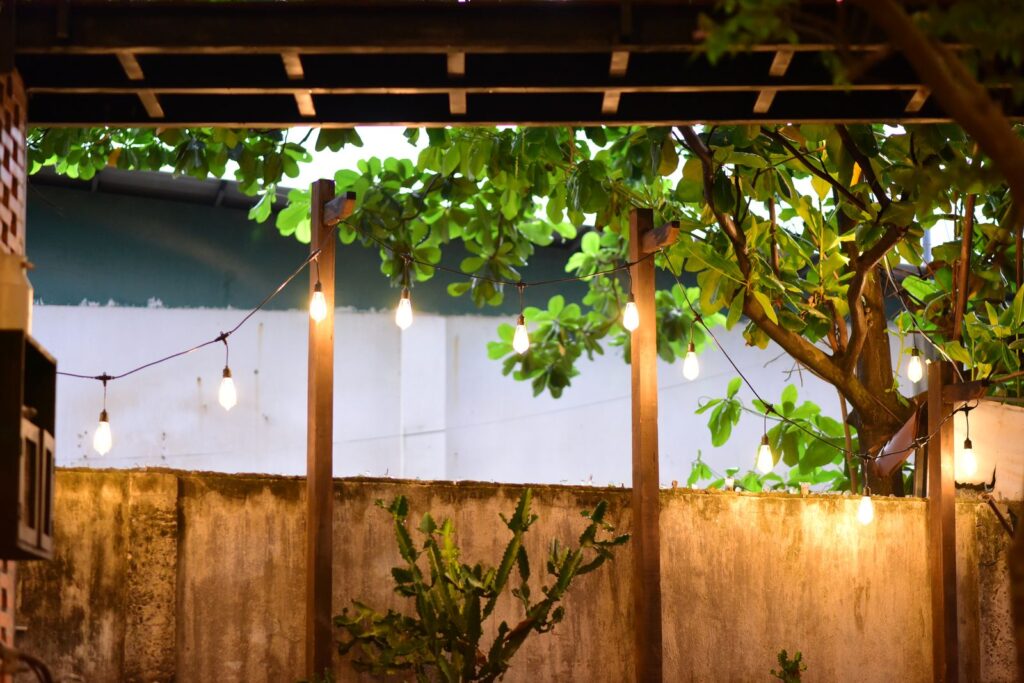
Light paths and steps first, for safety. Then add uplights on trees or walls for drama, downlights in trees for a soft, moonlight effect, and string lights over a patio. LED fixtures last for years, solar lights need no wiring, and timers or motion sensors keep lights on only when needed.
Fencing and Privacy Structures
Wood fences look classic, and vinyl needs almost no upkeep. Lattice panels and pergolas add privacy without feeling closed in, especially with climbing plants on them. Stone walls give the most permanent screening.
Gardens and Softscape Integration
Planting beds along patios and paths soften hard edges. Raised beds make a strong border, and boulders and gravel make a natural transition between stone and plants. Leave room around trees, since roots can lift paving and paving can starve roots of water. Permeable surfaces near trees help both.
Ornamental Elements
River stones around a water feature, a flagstone stepping path through a bed, or a single statue or birdbath at the end of a path gives the eye a place to land. Keep it to a few pieces so they read as deliberate.
Outdoor Living Spaces
Building An Outdoor Kitchen
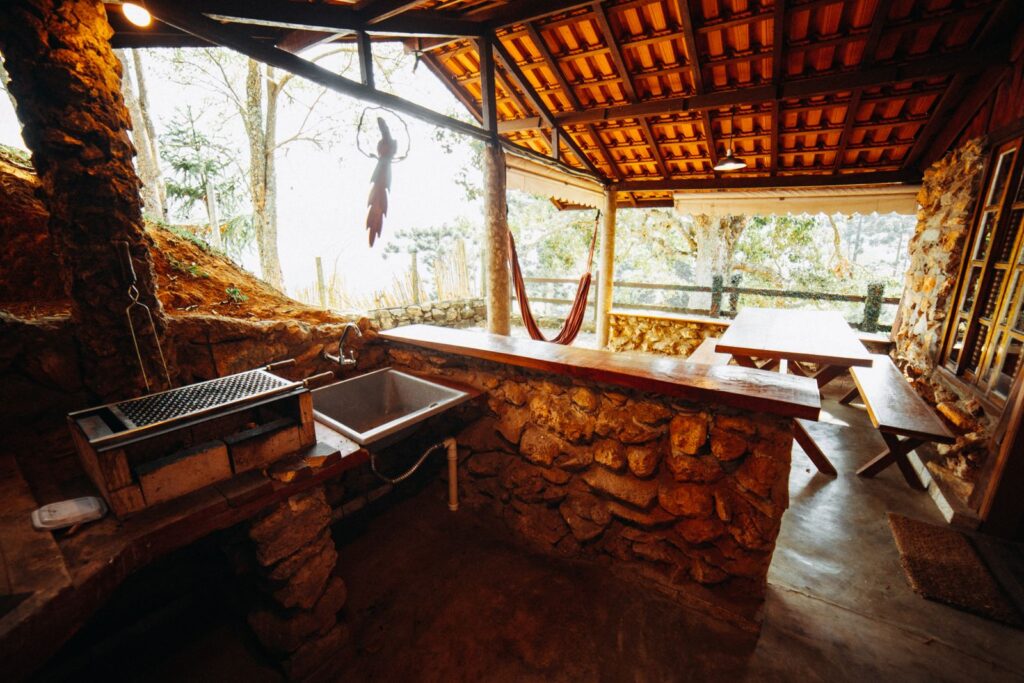
An outdoor kitchen can be as simple as a built-in grill on a paver pad or as full as counters, a sink, and a fridge under a pergola. Gas and plumbing lines mean permits and licensed trades. Put it close enough to the house to carry food out easily, and pair it with an outdoor dining area.
Entertainment and Recreation
A large patio can hold a dining table, a lounge area, and room for cornhole. An outdoor projector turns it into a movie night spot, and a fire pit keeps people outside after dark.
Relaxation Spaces
A small, quiet corner works better than a big open one for relaxing. A bench, a hammock under a pergola, or a pair of chairs facing the garden is enough. For more ideas, see our guide to outdoor living spaces.
Installation and Maintenance
Installing Hardscape Elements
Every paved surface is built the same way. Dig out the soil, compact the ground, then add a layer of crushed gravel and compact it in thin lifts. A walkway or patio typically needs around 4 to 6 inches of base, and a driveway considerably more. Add a thin bed of sand, set the pavers or stone, install edge restraints so the edges don’t creep, and sweep sand into the joints.
Slope every surface slightly, about a quarter inch per foot is a common rule, so water runs away from the house. Use a level and a plate compactor, and follow the manufacturer’s instructions for your material.
Maintaining Your Hardscape
Sweep regularly so leaves don’t stain the surface. Wash with mild soap and water, and use a pressure washer carefully, on a low setting, since it can blast out joint sand and etch soft stone. Re-sand paver joints when weeds or gaps appear, and reset any wobbly stones before someone trips.
Sealing protects porous stone and pavers from stains and moisture and can deepen their color. It won’t stop cracks, though. Those come from a weak base or poor drainage.
Dealing With Drainage
Standing water is what destroys hardscape: it washes out the base, heaves in freezes, and undermines walls. Slope surfaces away from the house, and where water still collects, add a French drain, a dry well, or a stretch of permeable paving. Clear drains of leaves each fall.
Hiring a Hardscaping Professional
Small paths and patios are realistic DIY projects. Large patios, driveways, tall retaining walls, and anything with gas or plumbing are better left to a pro. When you hire:
- Get at least three quotes, and compare what each includes, especially base depth and drainage.
- Confirm they’re licensed where your state requires it, and insured.
- Ask for photos of finished work and call a couple of past clients.
- Get a written contract with the materials, timeline, and warranty spelled out.
Boosting Property Value
Investing In Curb Appeal
A clean walkway, a defined driveway edge, and low walls around beds make a house look cared for from the street. Our guide to front yard curb appeal covers the details.
Hardscaping and Real Estate
Outdoor projects hold their value well. In the 2023 Remodeling Impact Report from the National Association of Realtors and the National Association of Landscape Professionals, Realtors estimated a new $10,500 paver patio would recover about 95% of its cost at sale, and an overall landscape upgrade with a flagstone walkway about 100%. Those are estimates, and results vary by market, but well-built hardscape rarely loses money.
Frequently Asked Questions
What materials are commonly used for hardscaping projects?
Concrete, concrete pavers, brick, natural stone such as granite, bluestone, and slate, gravel, and wood or composite for decks. Gravel is the cheapest, natural stone the most expensive and longest lasting.
How do you properly maintain a hardscaped outdoor space?
Sweep often, wash with mild soap and water, re-sand paver joints when gaps or weeds appear, and reset loose stones. Seal porous stone and pavers every few years to resist stains, and keep drains clear so water doesn’t undermine the base.
Can hardscaping features like paths and patios increase home value?
They hold their value well. In NAR’s 2023 Remodeling Impact Report, Realtors estimated a new paver patio recovers about 95% of its cost at sale. Results vary by market, and quality matters more than size.
What are some hardscape design trends for backyards?
Larger-format pavers, mixed materials like stone with wood or steel, permeable paving that lets rain soak in, outdoor kitchens, and built-in fire features are all popular.
How do I choose the right hardscaping features for my garden?
Start with how you’ll use the space: a patio for dining, paths for getting around, a retaining wall for a slope, a fire pit for evenings. Then match materials to the house style, your climate, and your budget.
What’s the difference between hardscape and softscape elements?
Hardscape is the built, non-living part of a landscape, like patios, paths, and walls. Softscape is the living part: lawn, trees, shrubs, and flowers. Most good yards balance the two.