
Designing a small garden comes down to a few decisions made in the right order. Work out where the sun falls and what the space is for, then pick a short list of plants and materials. After that, growing up walls and choosing furniture that does two jobs fit more into every square foot. The steps below work for a tiny backyard, a patio, or a balcony.
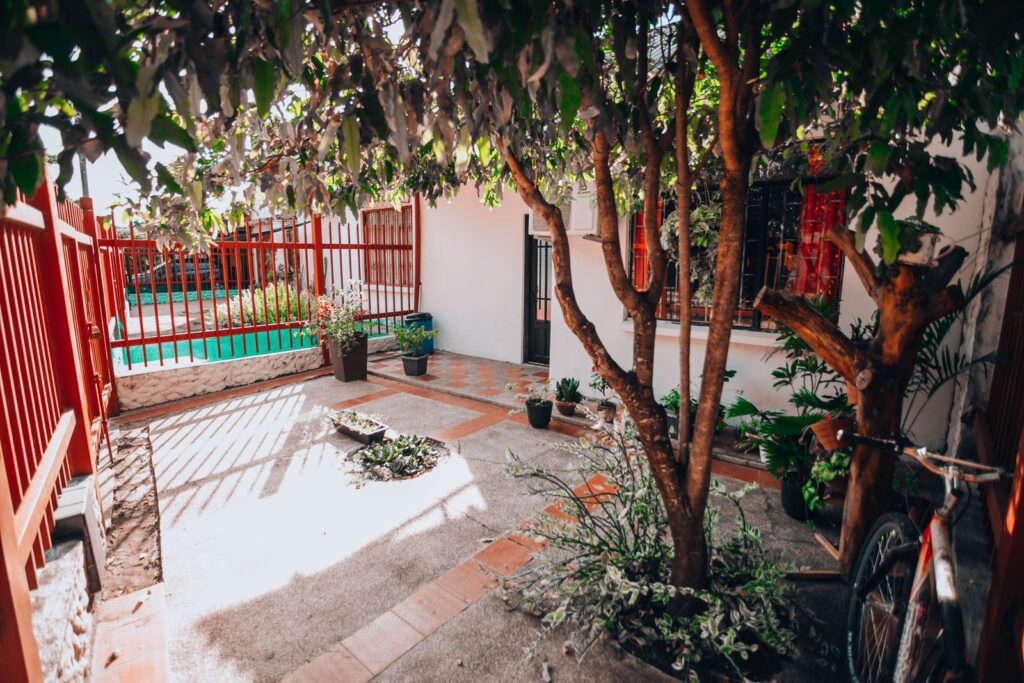
How to Design a Small Garden
1. Map the Sun and Shade
Check the space in the morning, at midday, and in late afternoon, and note how many hours of direct sun each part gets. In a small yard, a fence or the house can shade half the space. Sun decides what you can grow: Iowa State University Extension says most vegetables need at least 6 hours of direct sun a day, while leafy greens such as lettuce, spinach, and kale can get by on 3 to 4.
2. Decide What the Space Is For
A small garden can do one or two things well, not five. Pick the main use first: somewhere to sit, a place to grow food, or a view from the kitchen window. Put the seating in the spot you’ll actually use, usually the one with afternoon shade or the best view, and fit the planting around it.
3. Measure and Sketch It to Scale
Measure the space and draw it on graph paper, marking doors, windows, outdoor faucets, and anything you’re keeping. Sketch two or three layouts before you buy anything. Paper is cheap, and moving a paver patio is not. Leave paths at least 2 feet wide so you can get through with a watering can.
4. Keep the Palette Short
The fastest way to make a small garden look cluttered is to use too many kinds of everything. Choose one or two paving materials, a few plants repeated in groups, and a color scheme you can describe in a sentence. Repetition makes a small space look planned. If you’re unsure which look suits your house, our guide to landscape design styles can help.
5. Choose One Focal Point
A small garden has room for one feature that draws the eye: a small tree, a large pot, a bench, or a bubbling water bowl. Place it where you’ll see it from the house or from your seat. Two or three competing features make the space feel smaller.
Tricks That Make a Small Garden Feel Bigger
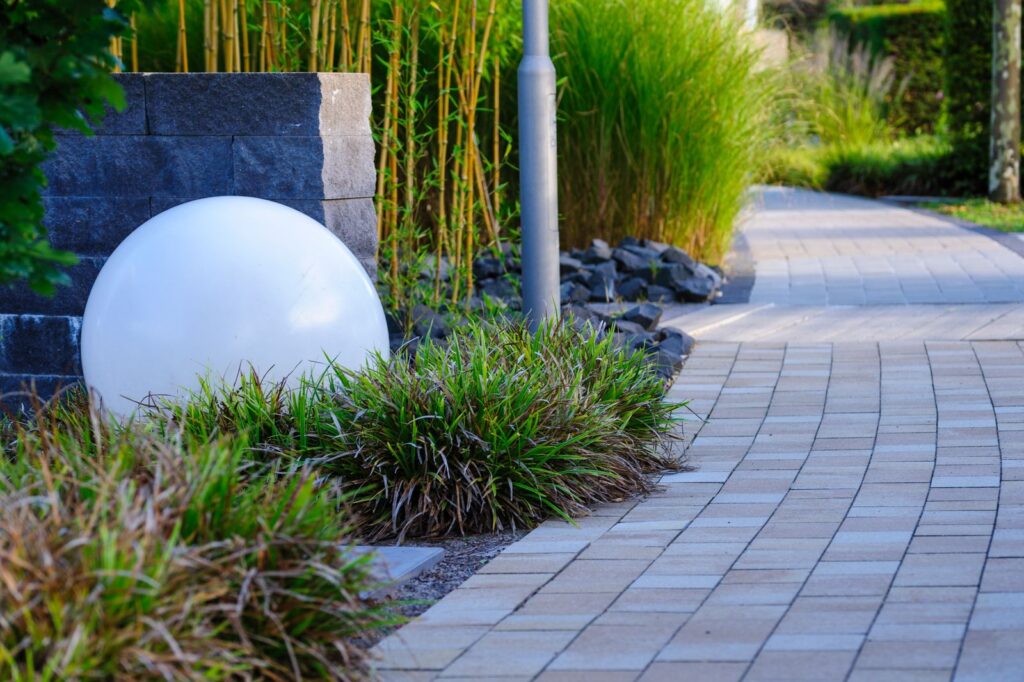
- Hide the boundaries. Plants or climbers along the fence blur where the garden ends. A bare fence shows exactly how small the space is.
- Turn the layout on a diagonal. A patio or path set at 45 degrees to the house creates longer lines than one parallel to the fence.
- Don’t show everything at once. A path that curves out of sight or a trellis that partly screens the far end makes the garden feel deeper.
- Use bigger paving. Large pavers with fewer joints look calmer than lots of small ones.
- Be careful with mirrors. A mirror can make a small garden look twice as deep, but birds fly into them, especially in spring when males attack their own reflection. Bird experts quoted by Gardeningetc suggest antiqued glass or hanging one only outside the breeding season.
Grow Up: Vertical Gardens and Trellises
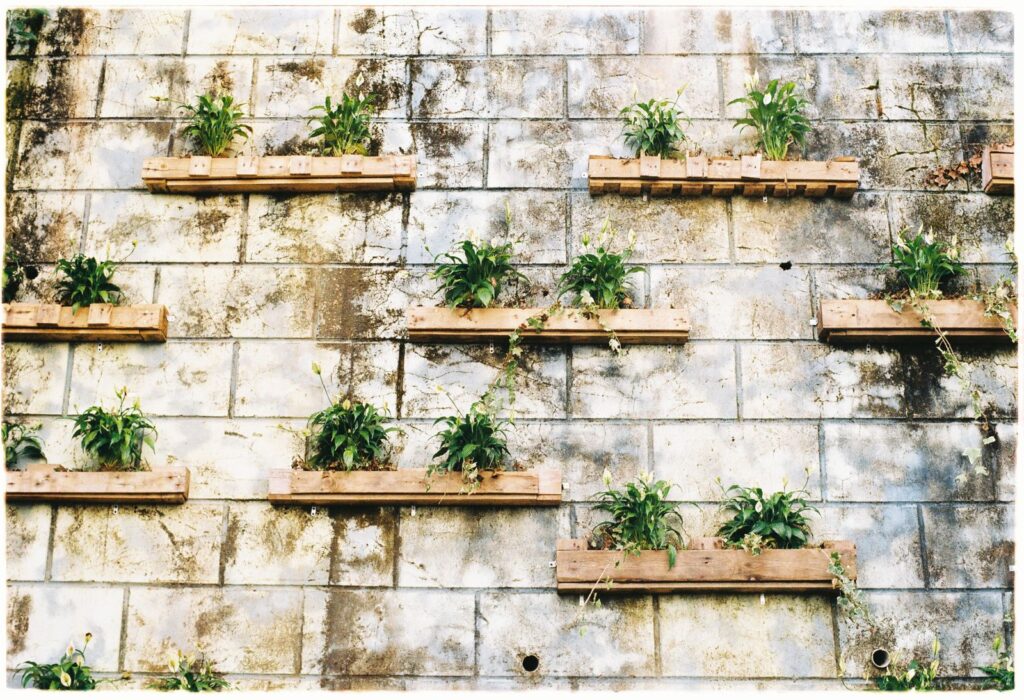
When the ground is full, use the walls and fences. A trellis on a sunny fence can carry pole beans, cucumbers, or climbing roses. A native vine such as coral honeysuckle feeds hummingbirds too. Skip English ivy and Asian wisteria, which spread well beyond a trellis.
Wall planters and tiered shelves suit herbs, strawberries, and trailing flowers. They dry out quickly because each pocket holds so little soil, so plan on watering often or set up a simple drip line. Wooden pallets can be turned into a planter wall. Check the stamp: HT means heat-treated, and pallets marked MB were fumigated with methyl bromide and are best avoided.
Container Gardening in Small Spaces
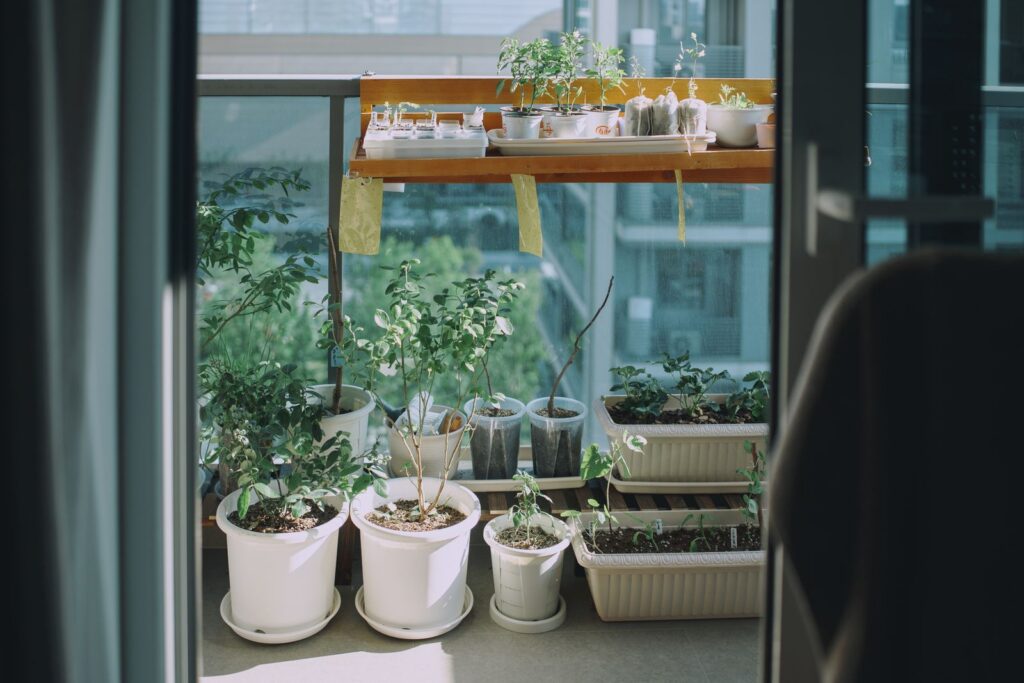
Pots let you garden on paving and balconies, and you can move them to follow the sun. Four rules matter most:
- Go big. Large pots hold more soil, so they dry out more slowly and give roots more room. One big pot also looks better than several small ones.
- Use potting mix, not garden soil. Iowa State University Extension notes that garden soil packs down in a pot, which hurts drainage and airflow, and pulls away from the sides as it dries.
- Make sure water can drain. Every pot needs a hole. Drill one if it doesn’t have one.
- Water by touch. Water when the top inch of mix is dry, until water runs out of the bottom. In summer heat, small pots may need water every day.
Herbs, peppers, lettuce, and compact tomato varieties all do well in containers. Group plants that like the same light and water in the same pot.
Raised Beds for Tiny Yards
A raised bed packs a lot of growing space into a small footprint. The soil warms up earlier in spring and drains well, and nobody walks on it. Keep beds no wider than 4 feet so you can reach the middle from either side, or 2 to 3 feet against a fence. A bed with a wide wooden cap doubles as extra seating. Our raised garden bed ideas cover materials and building.
To get more from a small bed, plant quick crops like lettuce and radishes between slower ones like tomatoes and peppers. The quick crops are harvested before the big plants need the space.
Furniture That Does Two Jobs
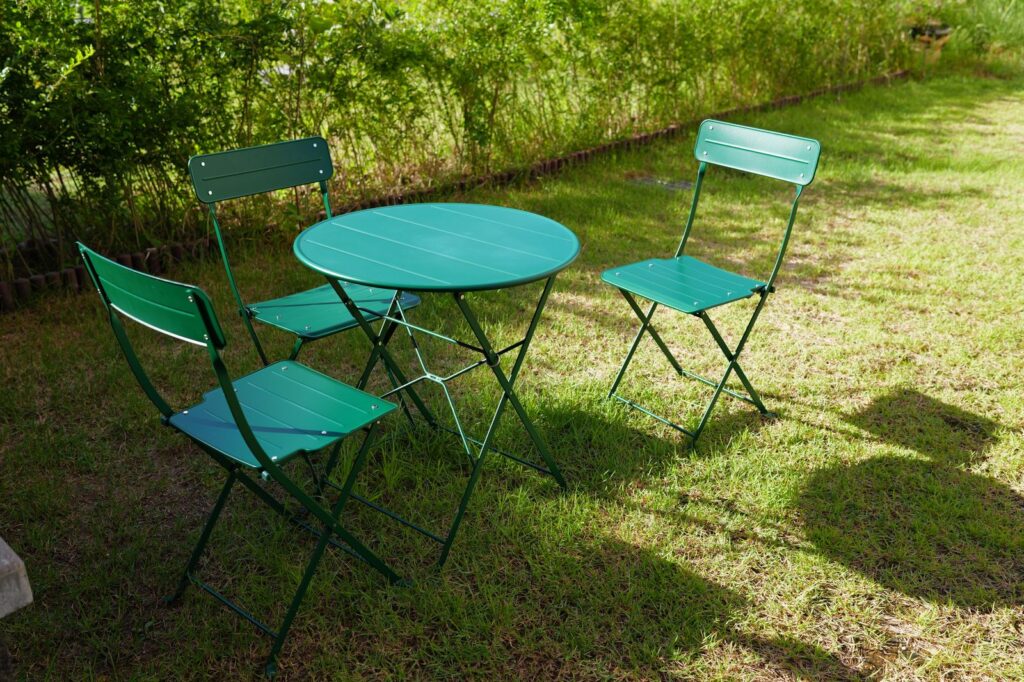
In a small garden, every piece of furniture has to earn its space. A storage bench hides cushions and tools. A folding bistro set packs away when you need the room. Built-in seating along a raised bed or a low wall takes up less space than freestanding chairs. Choose materials that can stay outside, such as powder-coated aluminum, teak, or all-weather wicker. Our guide to durable outdoor furniture compares them.
Add a Small Water Feature
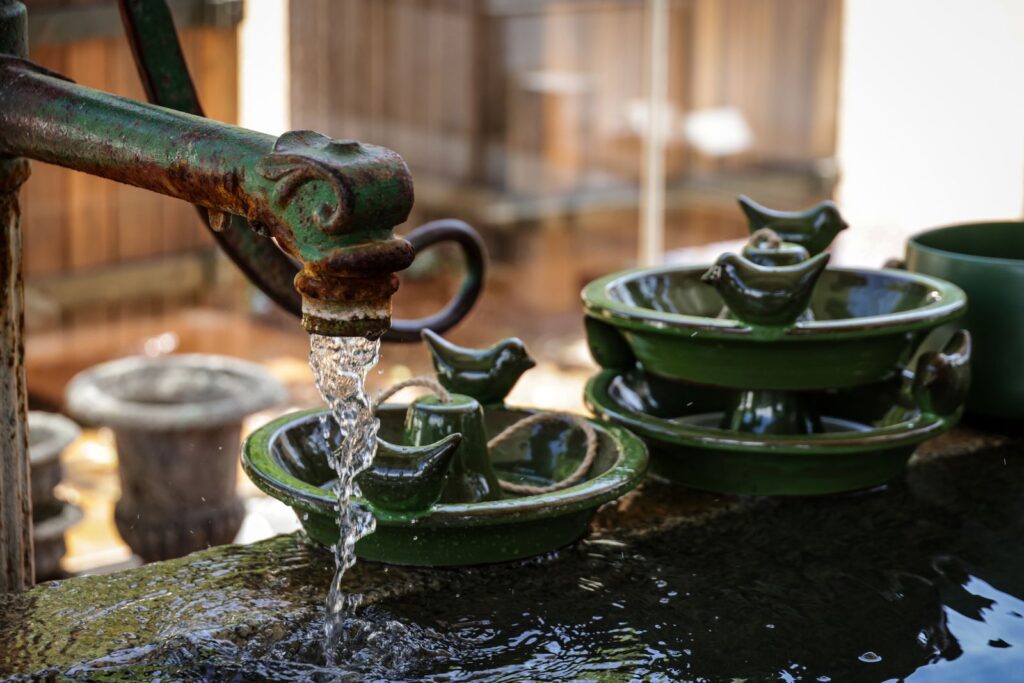
A bubbling bowl, a wall fountain, or a glazed pot with a small pump adds sound and movement without taking up floor space. It can also help mask traffic noise. Moving water is less attractive to mosquitoes than still water. For a bird bath or any still bowl, the CDC advises emptying and scrubbing it once a week. For more ideas, see our guide to backyard water features.
Privacy in a Small Garden
In a small yard, neighbors can often see straight in. A freestanding trellis panel with a climber gives you a private corner without a solid wall. So does a row of tall planters or a shade sail over the seating area. Screen just the seating area, not the whole boundary, so the garden still feels open.
Balcony and Patio Gardens
Balconies need a few extra checks. Wet soil is heavy, so ask your landlord or building manager about weight limits before adding large planters. Use saucers so water doesn’t drip onto the balcony below. Upper floors are windy, so choose sturdy pots and low, tough plants, and fix railing planters securely. Hanging planters and railing boxes keep the floor clear for a chair and a small table.
Frequently Asked Questions
How do I design a small garden?
Start by mapping where the sun falls, then decide the garden’s main use, such as seating or growing food. Sketch the space to scale, keep to a few plants and materials, and choose one focal point.
How can I make a small garden look bigger?
Hide the fences with planting, set the patio or path on a diagonal, and let a path curve out of sight. Large pavers with fewer joints also help. Mirrors work too, but place them with care, because birds can fly into them.
What are the best plants for a small garden?
Choose plants that stay compact and look good for more than one season, such as dwarf shrubs, ornamental grasses, herbs, and compact vegetable varieties. Check the mature size on the label so nothing outgrows the space.
Can I grow vegetables in a small garden?
Yes. Most vegetables need at least 6 hours of direct sun, while leafy greens can manage with 3 to 4. Grow them in large containers or a raised bed, and train beans and cucumbers up a trellis to save space.
What furniture works best in a small garden?
A folding bistro set, a storage bench, or seating built into a raised bed or low wall. Choose materials that can stay outside, as compared in our guide to durable outdoor furniture.