
A raised garden bed is a bottomless box of good soil sitting on top of the ground. It drains well and warms up early in spring, and the soil stays loose because nobody walks on it. You can build a simple one in an afternoon with a few boards and a drill. Here are nine designs to choose from, then how to build and fill one.
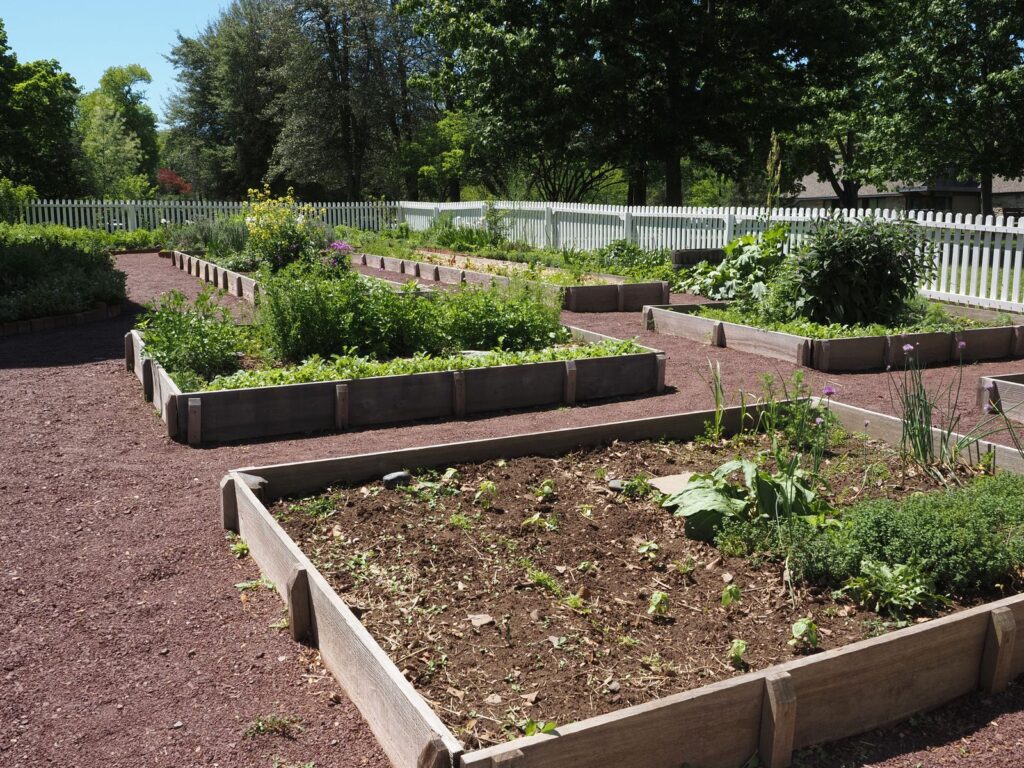
Why Grow in Raised Beds
Raised beds solve the two biggest problems with in-ground gardens: heavy or poor soil, and compaction. You fill the bed with the soil you want, and because you never step on it, it stays loose for roots. They’re also easier on your back and knees, and they keep a vegetable garden looking tidy.
There are trade-offs. Raised beds dry out faster than the ground, so they need more frequent watering in summer, and filling them with soil and compost is the biggest cost of the project.
9 Raised Garden Bed Ideas
1. The Classic 4-by-8 Box
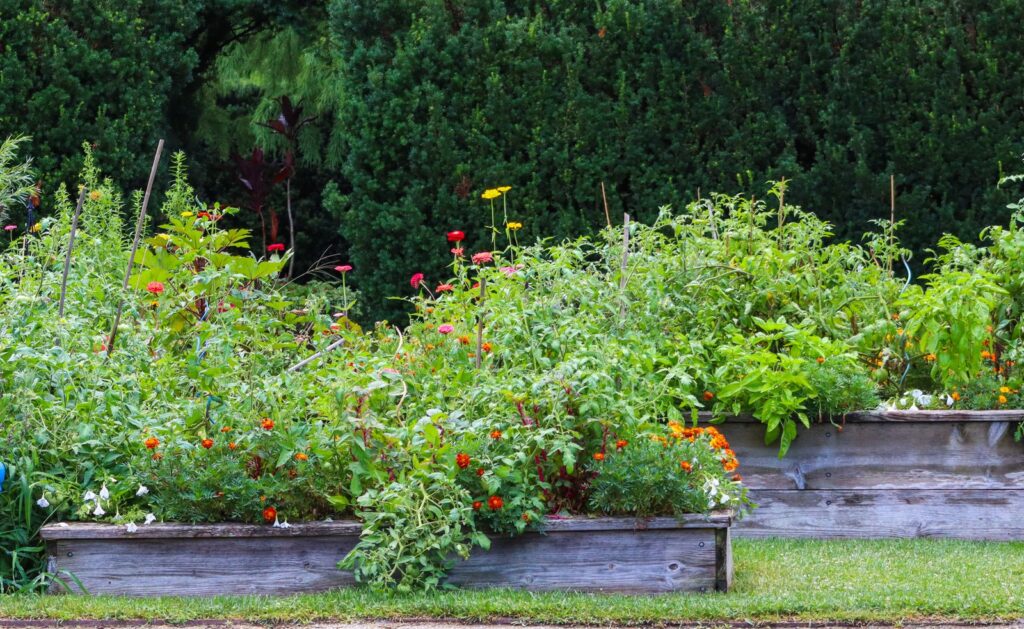
Two 8-foot boards and one more cut in half make a 4-by-8-foot bed with almost no waste. Four feet wide lets you reach the middle from either side, and 8 feet gives room for a season of vegetables. If space is tight, a 4-by-4 bed is a good place to start.
2. L-Shaped Corner Bed
An L-shaped bed turns an unused corner along two fences into growing space. Keep each arm no more than 2 to 3 feet deep, since you can only reach it from one side.
3. Waist-High Bed
A bed about 30 inches tall lets you plant and weed standing up or from a chair. It takes a lot more soil to fill, so many builders fill the bottom third with logs, branches, and leaves, which slowly rot down and feed the soil above.
4. Concrete Block Bed
Concrete blocks are cheap, need no tools, and last for decades. Stack them one or two high, and plant herbs or flowers in the hollow cores. You can rearrange the bed later without wasting anything.
5. Galvanized Metal Bed
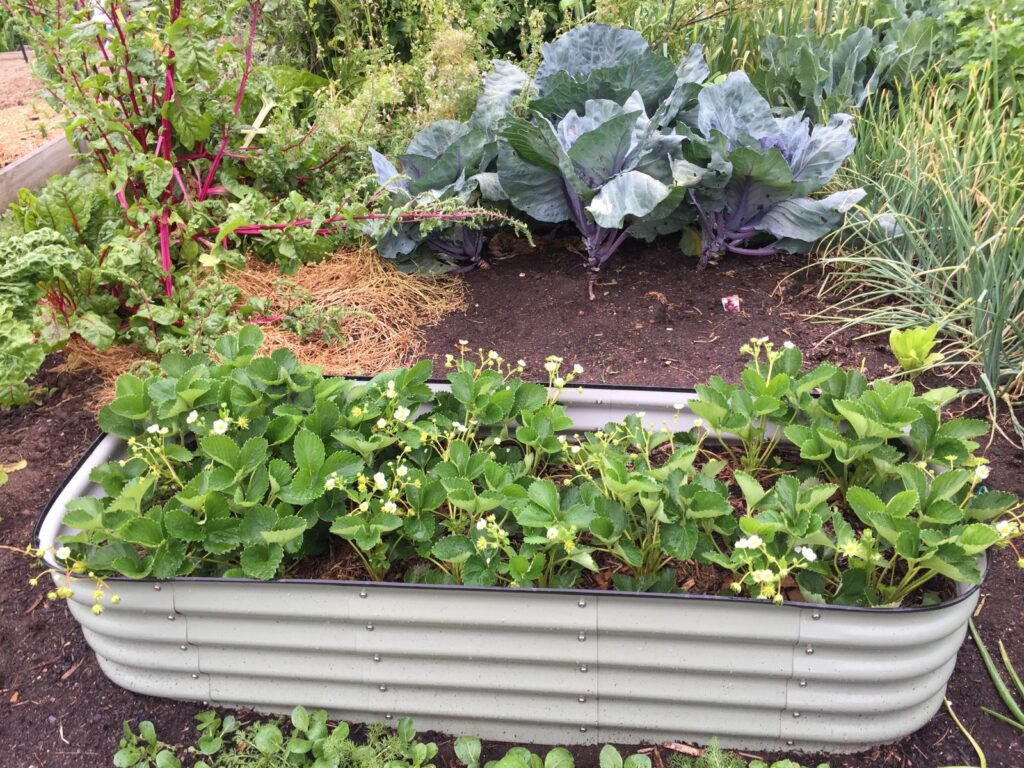
Corrugated metal kits go together with bolts and last many years without rotting. They suit modern gardens, and the round and oval shapes are easy to work around.
6. Stone or Brick Bed
Dry-stacked stone or salvaged brick makes a permanent bed that blends into a cottage or informal garden. Keep the walls low, under about 2 feet, unless you’re building a proper retaining wall with a footing.
7. Tiered Bed for a Slope
Stepped boxes turn a slope into level planting terraces, and a short three-tier stack makes a neat strawberry or herb bed on a patio. Water the top tier and let the excess drain to the ones below.
8. Bed With Hoops for a Cover
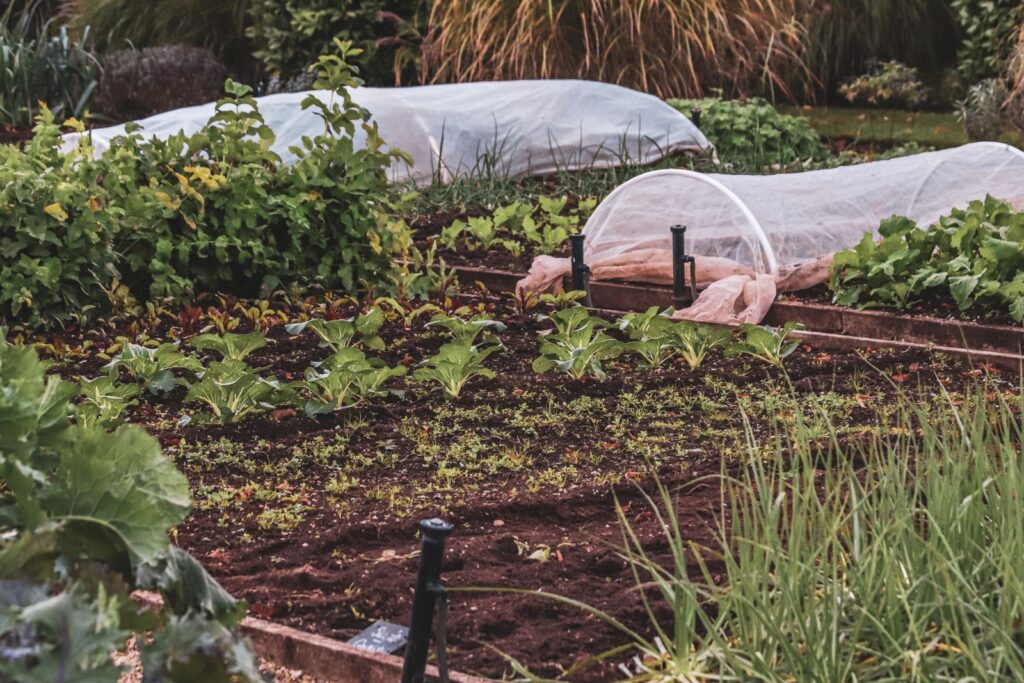
Bend lengths of PVC or metal conduit into hoops and slip the ends into pipe brackets screwed inside the bed. Drape frost cloth over them in spring and fall to stretch the growing season by several weeks, or swap in insect netting or bird netting in summer.
9. Fabric Grow Bags for Renters
Large fabric bags work like portable raised beds. They’re cheap, fold flat in winter, and can move with you. They dry out quickly, so place them where watering is easy.
Choosing Materials
| Material | Pros | Cons |
|---|---|---|
| Cedar or redwood | Naturally rot-resistant, untreated, good-looking | Costs more than pine |
| Modern pressure-treated pine | Cheap, lasts years | Small amounts of copper leach into the soil; line it if you’d rather not |
| Galvanized steel | Very long-lasting, no rot | Higher up-front cost |
| Concrete block | Cheap, permanent, no tools | Heavy, plain look |
| Stone or brick | Permanent, attractive | Slow to build, costly if bought new |
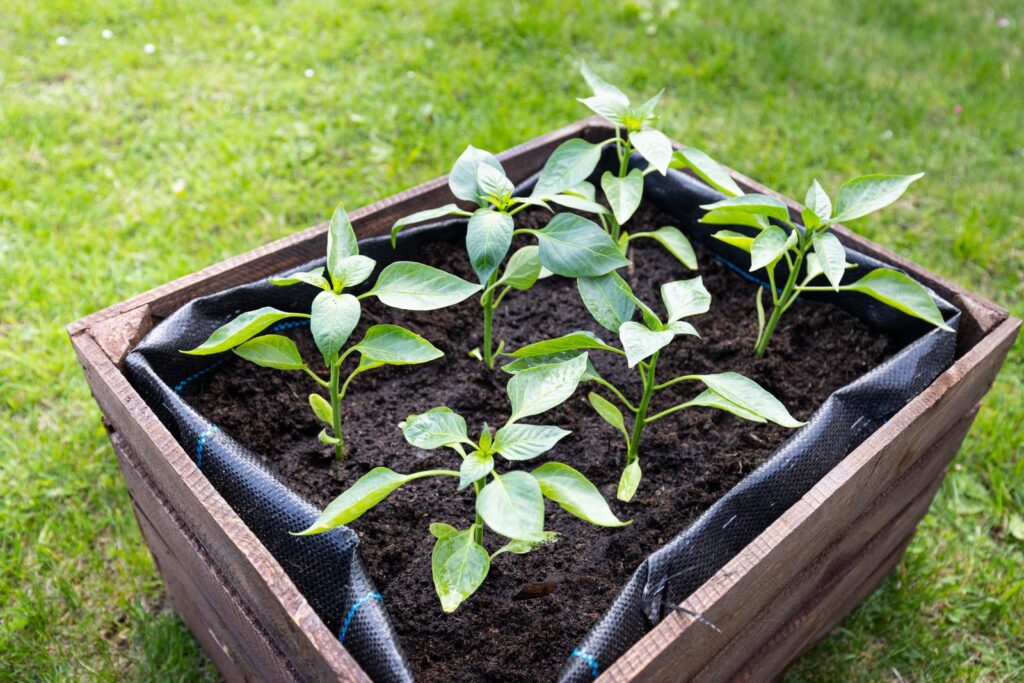
On treated lumber, Oregon State University Extension says the modern copper-based treatments leach small amounts into the soil, and it hasn’t seen research showing levels high enough to worry about. If you’d rather be cautious, staple heavy plastic to the inside of the boards, or use cedar. Avoid old railroad ties and lumber treated before 2004, when the arsenic-based CCA treatment was phased out for home use. Skip old tires for vegetables too, since NC State Extension warns that metals can leach out as they break down.
How to Build a Raised Garden Bed
- Pick a sunny, level spot. Iowa State University Extension says most vegetables need at least 6 hours of direct sun a day, though leafy greens manage with 3 to 4. Put the bed near a hose.
- Decide the size. No wider than 4 feet if you can reach both sides, and 10 to 12 inches deep for most vegetables. Leave paths at least 2 feet wide between beds.
- Cut and assemble the frame. Screw the boards to 4-by-4 corner posts or use metal corner brackets. Use exterior screws and pre-drill to stop the wood from splitting. On an 8-foot bed, add a brace across the middle so the long sides don’t bow outward once the bed is full.
- Level it. Dig out the high side rather than propping up the low side, so the frame sits firmly on the ground.
- Smother the grass. You don’t need to dig out the turf. University of Maryland Extension recommends laying plain cardboard or overlapping newspaper and covering it with compost; the grass dies and rots in place in 6 to 8 weeks. If gophers or voles are a problem, staple hardware cloth across the bottom first.
- Fill it. A bed open to the ground drains into the soil below, so it doesn’t need a layer of gravel at the bottom.
What to Fill a Raised Bed With
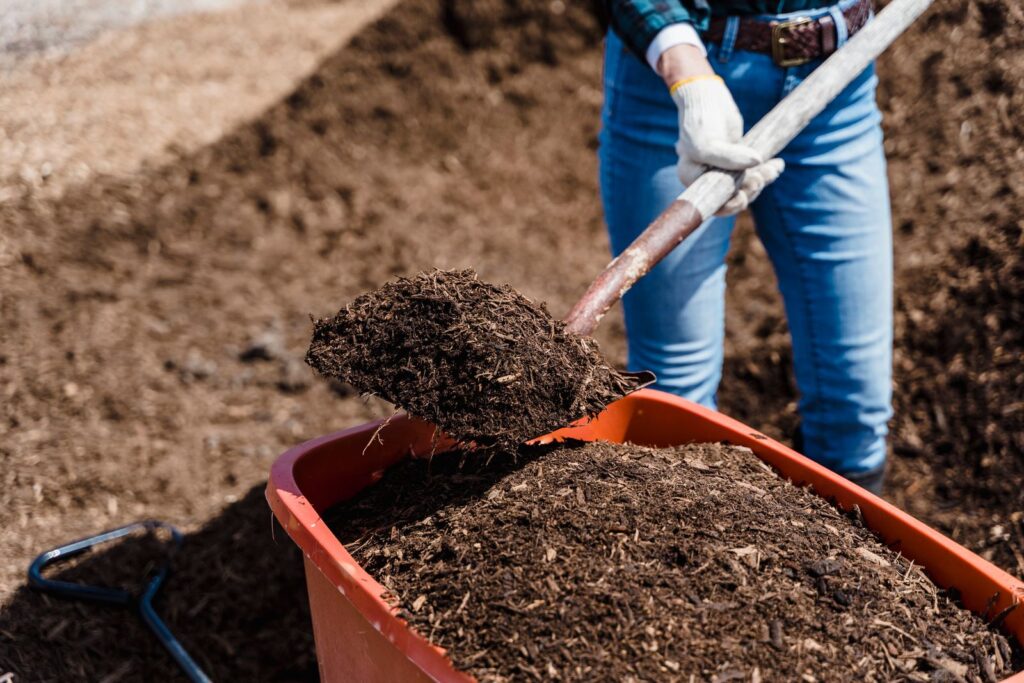
Use a blend of good topsoil and compost, not straight potting mix, which is expensive at this volume and settles a lot. University of Maryland Extension suggests that organic matter make up 25 to 50% of a raised bed’s soil by volume. Many garden centers sell a ready-made raised bed blend by the cubic yard.
Work out how much you need before you order. A 4-by-8 bed filled 12 inches deep holds 32 cubic feet, which is about 1.2 cubic yards or sixteen 2-cubic-foot bags. Top it up with an inch or two of compost each spring as it settles. For making your own, see our guide to composting at home.
Planting Tips for Raised Beds
- Plant closer than the seed packet says. Loose soil and no paths inside the bed let you space plants in a grid instead of rows.
- Put tall crops on the north side so tomatoes and trellised beans don’t shade everything else.
- Tuck quick crops between slow ones. Lettuce and radishes are harvested before tomatoes and peppers fill in.
- Keep mint in a pot. It spreads by runners and will take over a bed.
- Mulch and check moisture often. A drip line or soaker hose on a timer saves a lot of hand watering.
Short on space? Our guide to small garden design covers raised beds alongside containers and vertical growing.
Frequently Asked Questions
How deep should a raised garden bed be?
10 to 12 inches suits most vegetables and flowers. Go deeper, 18 inches or more, for long carrots and parsnips, or build a waist-high bed if bending is hard.
What is the best wood for a raised garden bed?
Cedar and redwood, because they resist rot without any chemical treatment. Modern pressure-treated pine costs less and also lasts for years.
Is pressure-treated wood safe for vegetable beds?
Lumber treated since 2004 uses copper-based preservatives instead of arsenic. Small amounts leach into the soil, but Oregon State University Extension has not seen research showing levels high enough to be a health concern. Avoid older treated wood and railroad ties.
What should I put in the bottom of a raised bed?
On grass, lay plain cardboard to smother it, and add hardware cloth if burrowing animals are a problem. A bed open to the ground doesn’t need gravel at the bottom.
How much soil do I need to fill a raised bed?
Multiply length by width by depth in feet to get cubic feet. A 4-by-8 bed filled 12 inches deep needs 32 cubic feet, about 1.2 cubic yards.