
Curb appeal is the impression your house makes in the few seconds someone looks at it from the street. Most of it comes down to a short list: a tidy lawn with crisp edges, healthy plants sized to the house, a clear path to a front door that stands out, and good lighting. None of it needs a big budget.
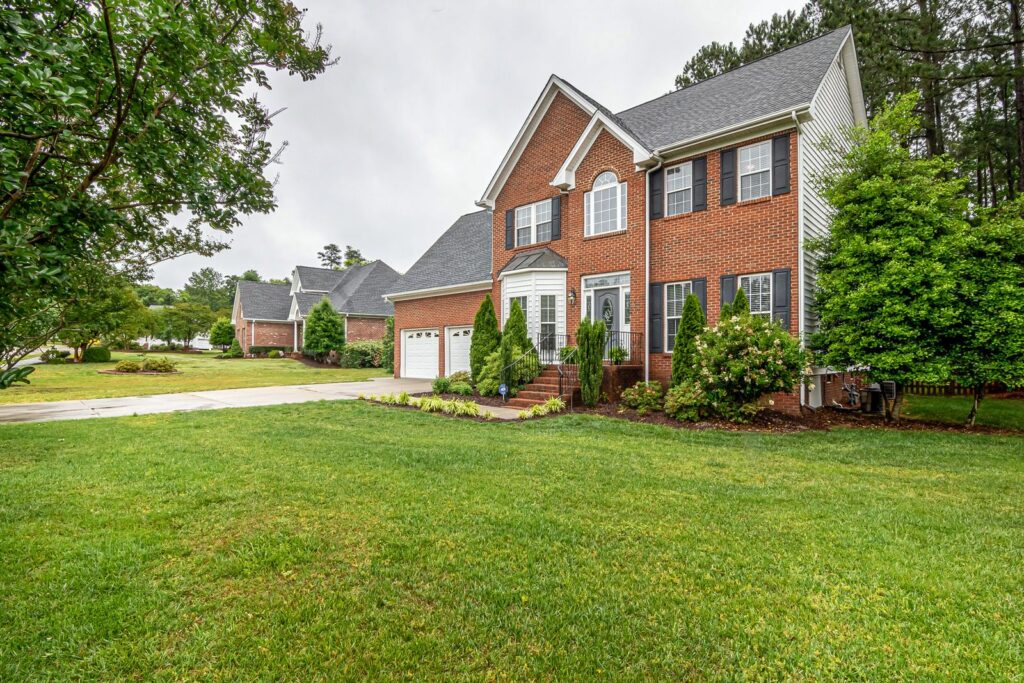
This guide works from the street to the front door: assess what you have, plan the layout and plants, upgrade the entrance and walkway, then keep it looking sharp through the seasons.
Key Takeaways
- Start with maintenance. Edged beds, fresh mulch, and a mowed lawn do more than any new feature.
- Make the front door the focal point, and give people a clear, well-lit path to it.
- Choose plants for their mature size, so they frame the house instead of hiding it in five years.
Assessing Your Current Front Yard

Understanding Curb Appeal
Cross the street and take a photo of your house. The camera shows what you stopped noticing: the overgrown shrub covering a window, the faded door, the bare patch by the driveway. Curb appeal is the whole picture, not any one feature, so judge it that way.
Match changes to the style of the house. A fresh coat of paint on the trim or door, or new light fixtures, can lift the whole front.
The Importance of Maintenance
Mowing, trimming hedges, and pulling weeds keep a yard looking cared for, and they keep plants healthy too. Look past the plants as well. Pressure-wash the walkway, straighten a leaning mailbox, and fix the sagging fence gate. Small repairs left alone become big ones.
Designing Your Front Yard Layout
Creating Balance with Proportion and Scale
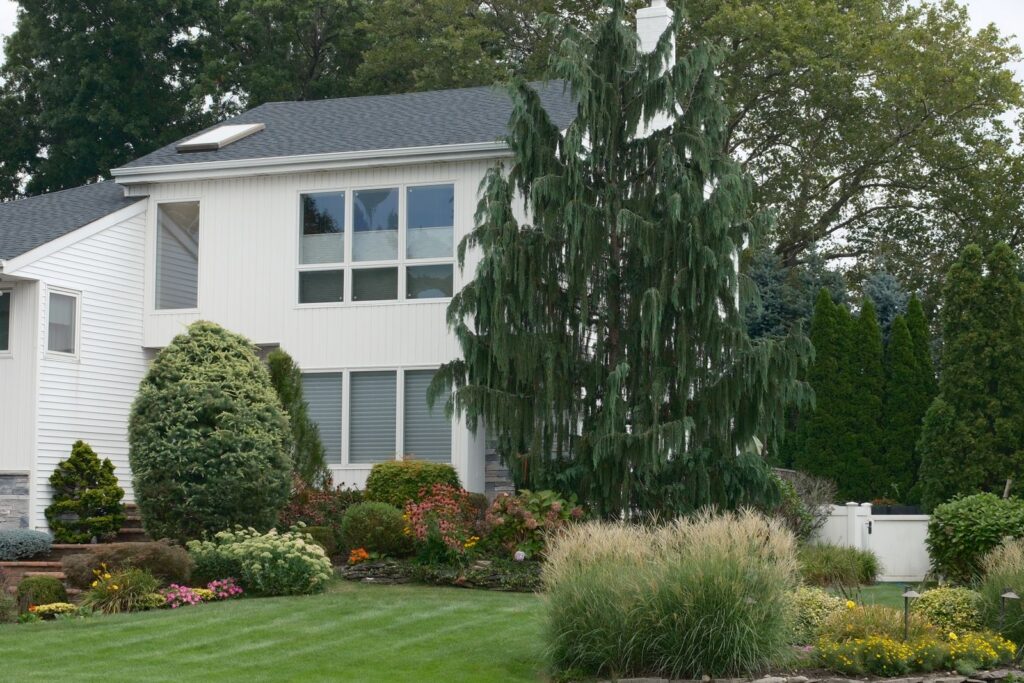
Size plants and features to the house. A small tree looks lost against a large two-story home, and a massive shrub swallows a cottage. As a rule, put taller plants near the house and at the corners, and keep lower plants along the walkway so they don’t block the view.
Incorporating Unity and Cohesion
Repetition ties a yard together. Use the same plant at a few points along the walkway, and stick to a short list of materials and colors that echo the house. Curved beds and paths feel soft and informal. Straight lines and clipped hedges feel formal. Pick one direction and carry it through.
Selecting Plants and Trees
Choosing the Right Trees and Shrubs
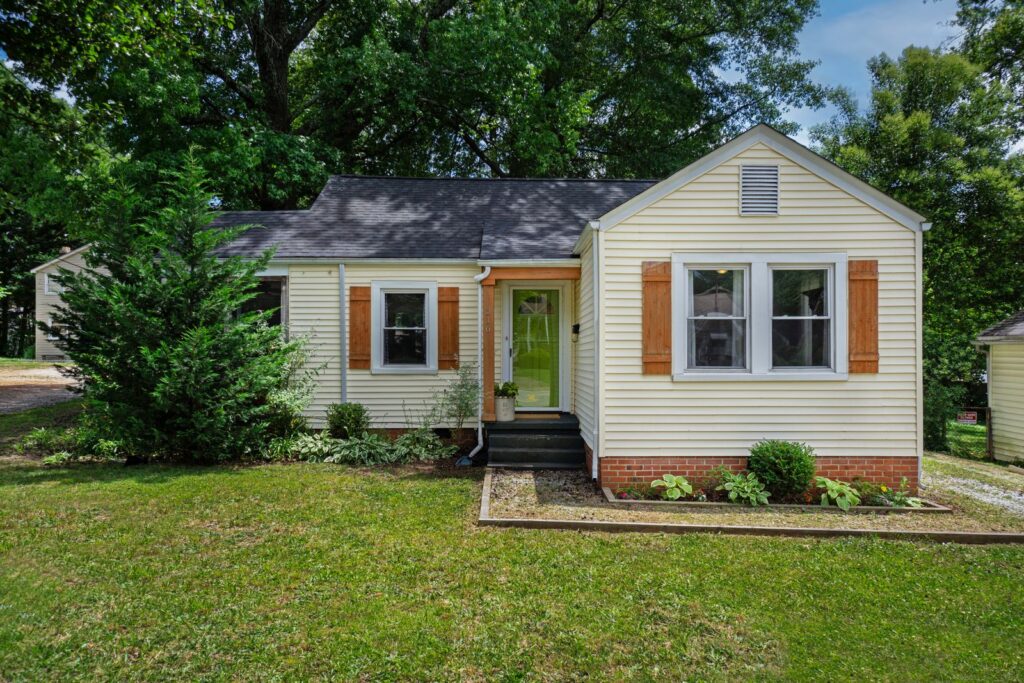
Trees and shrubs are the framework. Evergreens like pine, spruce, and boxwood hold their shape all year. Deciduous trees such as maples and oaks add shade and fall color. Azaleas bring spring flowers to a shady front.
Check the mature size on every tag. Foundation shrubs planted too close to the house end up rubbing the siding and covering windows, so leave room for them to grow. Our guide on how to choose plants for your climate covers zones, soil, and sun.
Integrating Perennials and Annuals
Perennials like daylilies, hostas, and coneflowers come back every year with little work. Annuals like petunias and marigolds fill gaps with color for a season. Layer tall plants behind short ones and stagger bloom times so something is always flowering. Our seasonal landscaping guide shows how to plan color for every month.
Implementing Groundcovers and Foliage
Ground covers fill bare soil, crowd out weeds, and hold soil on slopes. Creeping thyme suits sunny spots and between pavers. In shade, try native Allegheny pachysandra or wild ginger. Skip English ivy, which is invasive in much of the country. Ferns and hostas add leaf texture where flowers struggle.
For plant combinations that look good with little care, see our guide to easy front yard landscaping with low-maintenance plants.
Enhancing Your Entrance
Front Door as a Focal Point
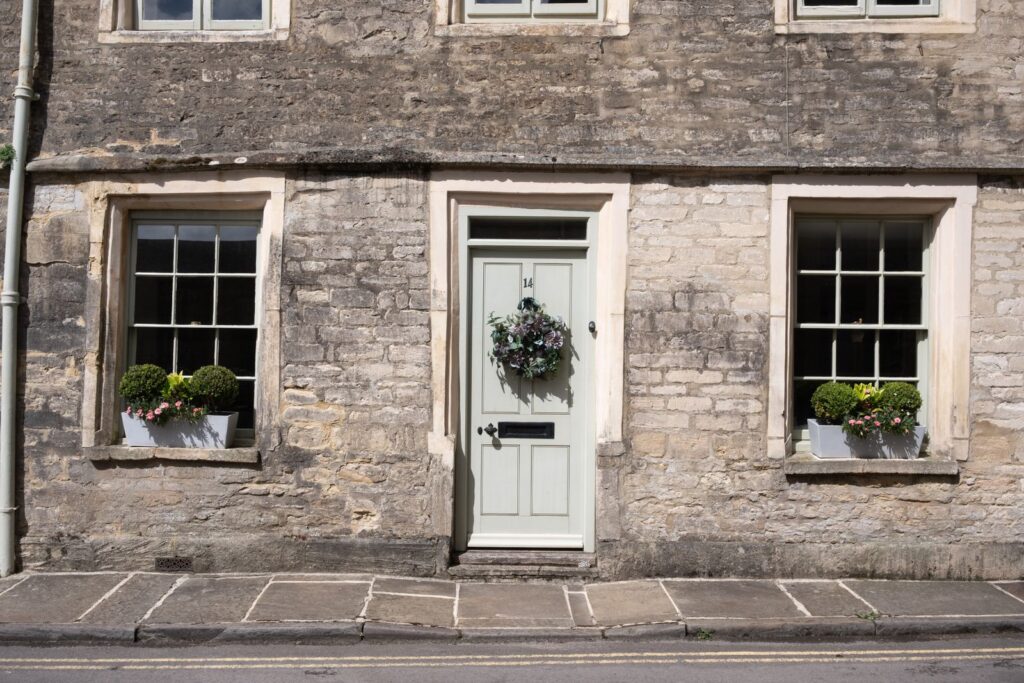
The front door is where the eye lands, so give it a reason to. A bold color like red, navy, or yellow makes a statement. Deep green or black is classic. New hardware, a fresh coat of paint, or a seasonal wreath is often the cheapest upgrade with the biggest payoff.
Accentuating the Entryway
Frame the door with a matching pair of planters, one on each side, for instant symmetry. Window boxes add color to a flat front. Make sure the house numbers are large enough to read from the street, in a color that contrasts with the wall behind them, and placed where headlights or a porch light catch them at night.
Hardscaping Essentials
Walkways and Pathways
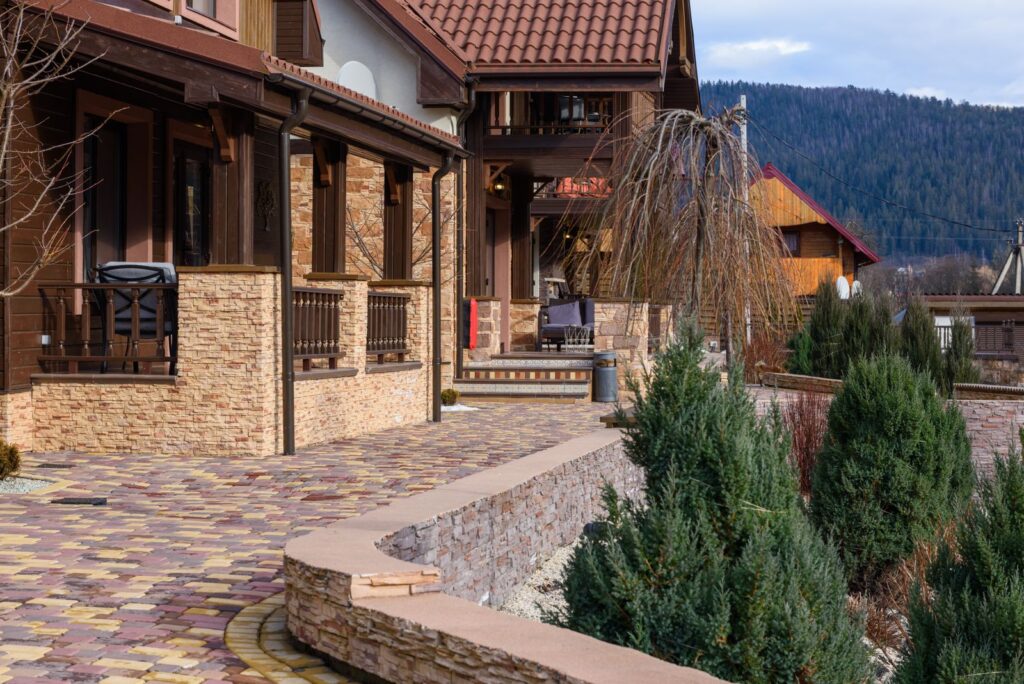
The walkway should lead straight to the front door and feel generous. About 4 feet wide is a good minimum, and closer to 5 feet lets two people walk side by side. Stone looks natural, brick looks traditional, and concrete is the most affordable. A gentle curve adds interest, and a straight path suits a formal house. For building tips, see our DIY walkway installation guide.
Borders and Edging
A clean edge between lawn and bed makes a yard look finished. Stone and brick borders last the longest. Steel edging gives a crisp, nearly invisible line. Even a spade-cut edge, redone each spring, makes a big difference.
Driveways and Stepping Stones
Concrete and asphalt are durable driveway choices, and pavers look more finished and can match a walkway. Stepping stones are a simple way to make a path across a lawn or bed. Space them to a natural stride so they’re comfortable to walk on. Our easy DIY garden paths have more ideas.
Decorative Elements
Outdoor Lighting Options
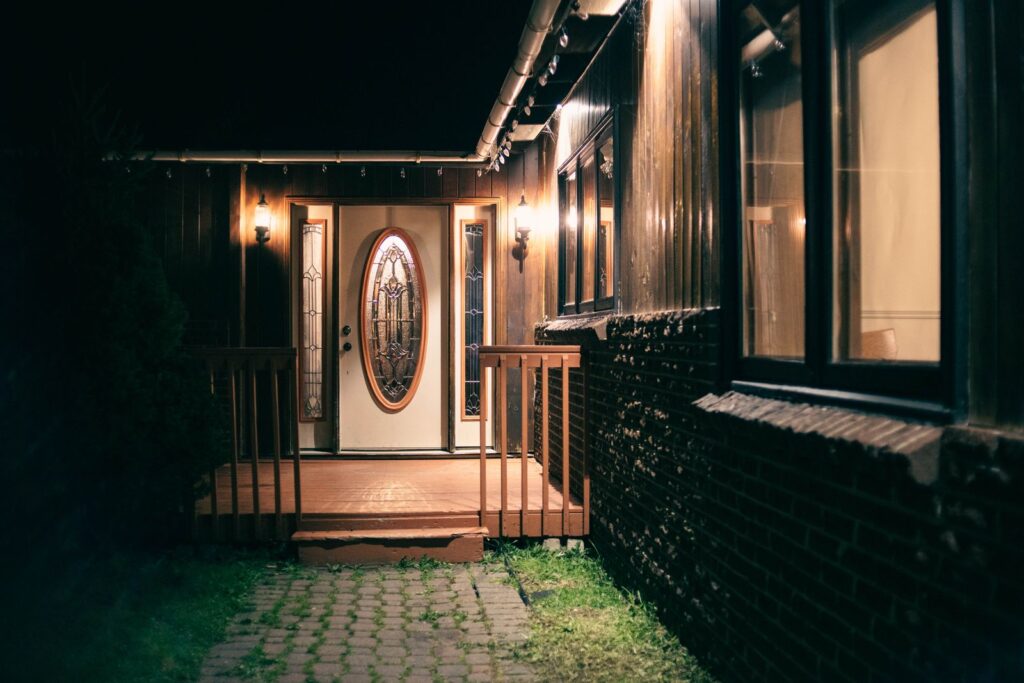
Good lighting makes a house look welcoming after dark and makes it safer to walk to the door. Start with fixtures by the door that suit the house’s style. Add path lights along the walkway, spaced evenly, and a spotlight or two on a tree or the front of the house. Warm-toned bulbs feel more inviting than cool white.
Solar lights are the easiest to install, though dimmer than low-voltage systems. Timers and motion sensors keep lights on only when you need them.
Water Features and Sculptures
A small fountain or birdbath gives a front yard a focal point and draws birds. Larger yards can take a pond or a small waterfall, covered in our water features guide. One well-chosen sculpture or piece of garden art adds personality. More than a few starts to look cluttered.
Trellises, Arbors, and Fencing
An arbor over the front gate or walkway makes a natural entrance, especially with clematis or a climbing rose on it. A low fence or picket border defines the yard without blocking the view of the house, while taller fencing belongs in the back, where privacy matters more than presentation.
Front Porch Charisma
Creating a Cozy Seating Area
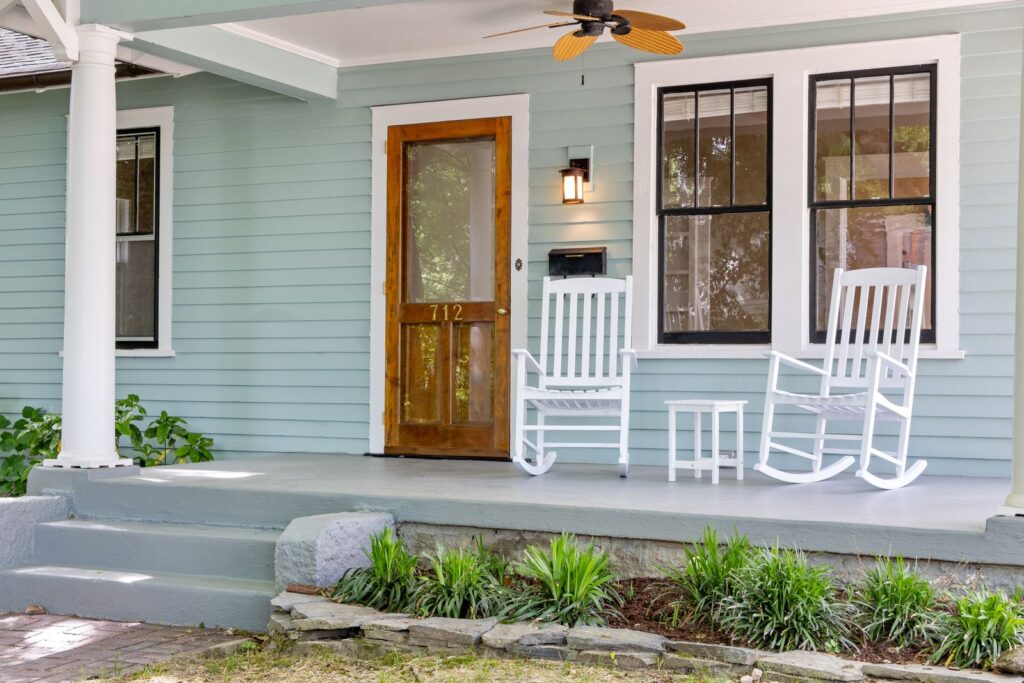
A pair of chairs or a bench makes a porch look lived-in. A bistro set fits a small stoop, and a swing or rockers suit a deep porch. Add weather-resistant cushions, an outdoor rug, and a few pots of different heights.
Seasonal Decor and Accessories
Small seasonal swaps keep the porch fresh. Spring flowers in bright pots, pumpkins and mums in fall, and evergreen boughs and lanterns in winter. Change the wreath with the season and you’ve updated the whole front for a few dollars.
Garden Beds and Landscaping
Colorful Flower Beds and Borders
Mix perennials for structure with annuals like marigolds, petunias, and zinnias for long-season color. Define each bed with a clear edge of stone, metal, or a spade cut so it reads as intentional from the street.
Mulch for a Polished Look
Fresh mulch is the quickest way to make beds look finished. Spread 2 to 3 inches of bark, wood chips, or shredded leaves to hold moisture and smother weeds, and keep it pulled back from tree trunks and the house foundation. Top it up each spring.
Maintaining Your Curb Appeal
Lawn Care and Weed Control
Mow often and high. Most cool-season lawns look and grow best at 2.5 to 3 inches, which shades out weeds. Warm-season grasses like Bermuda are usually cut shorter. Pull weeds by hand in small lawns, or use a pre-emergent in early spring to stop crabgrass before it sprouts.
If keeping a perfect lawn is a struggle, mixing in clover or replacing a hard-to-mow strip with ground cover cuts water and mowing.
Seasonal Maintenance Tips
- Spring: clean up beds, edge, refresh mulch, and apply pre-emergent before soil warms.
- Summer: water deeply in the morning, deadhead flowers, and raise the mower in heat.
- Fall: for cool-season lawns like fescue and bluegrass, this is the best time to aerate, overseed, and fertilize. NC State Extension notes spring-seeded fescue struggles more with summer heat and weeds. Warm-season lawns should not get nitrogen in fall, since they’re heading into dormancy.
- Winter: protect tender plants, brush heavy snow off shrubs, and plan next year’s changes.
Sustainable Choices
Xeriscaping for Drought Resistance
In dry climates, xeriscaping keeps a front yard attractive with far less water. Replace thirsty lawn with drought-tolerant plants, gravel, and stone, mulch heavily, and water with drip lines. Native ground covers hold soil and keep weeds down.
Choosing Native and Low-Water Plants
Native plants suit your climate and need less water and care. Black-eyed Susan and coneflower are reliable flowers, and serviceberry and blueberry make good native shrubs with spring flowers and fall color. Group plants by water needs, and consider a rain barrel. Our sustainable landscaping guide has more.
Frequently Asked Questions
How can I enhance my front yard on a limited budget to improve curb appeal?
Start with labor, not money: mow, edge the beds, trim overgrown shrubs, and pull weeds. Then spend on the things that show most, like fresh mulch, a coat of paint on the front door, and a pair of planters by the entrance.
What are some inexpensive curb appeal ideas for a small front yard?
Matching planters at the door, a new doormat, clear house numbers, and a few solar path lights all cost little and fit a small space. One small sculpture or birdbath gives the yard a focal point.
What changes can make my front yard look more upscale and elegant?
A stone or paver walkway, clipped evergreen shrubs, matching light fixtures, and a simple, limited color palette read as upscale. Add accent lighting on a tree or the front of the house.
What are effective ways to add character and appeal to a flat front house?
Window boxes, shutters in a contrasting color, and an arbor or trellis with a climbing plant all add depth. Layered planting in front of the foundation breaks up a flat wall.
Can you suggest some before and after transformations that boost front yard curb appeal?
Replacing overgrown foundation shrubs with layered plants of different heights, cutting curved beds into a plain lawn, adding a defined walkway, and swapping an old mailbox and light fixtures are common, high-impact changes.
What are some creative front yard ideas that really draw attention to a home’s exterior?
Try a pollinator bed with native flowers, a living wall or vertical planter by the entry, or a statement front door color. Pick one bold idea rather than several, so the yard still looks planned.