
A sustainable yard costs less to run and takes less of your time, and it gives more back to the birds and insects around it. The core moves are simple: plant for your climate, build healthy soil, water only where and when it’s needed, and let nature handle most of the pest control. They work in a big backyard or a small garden.
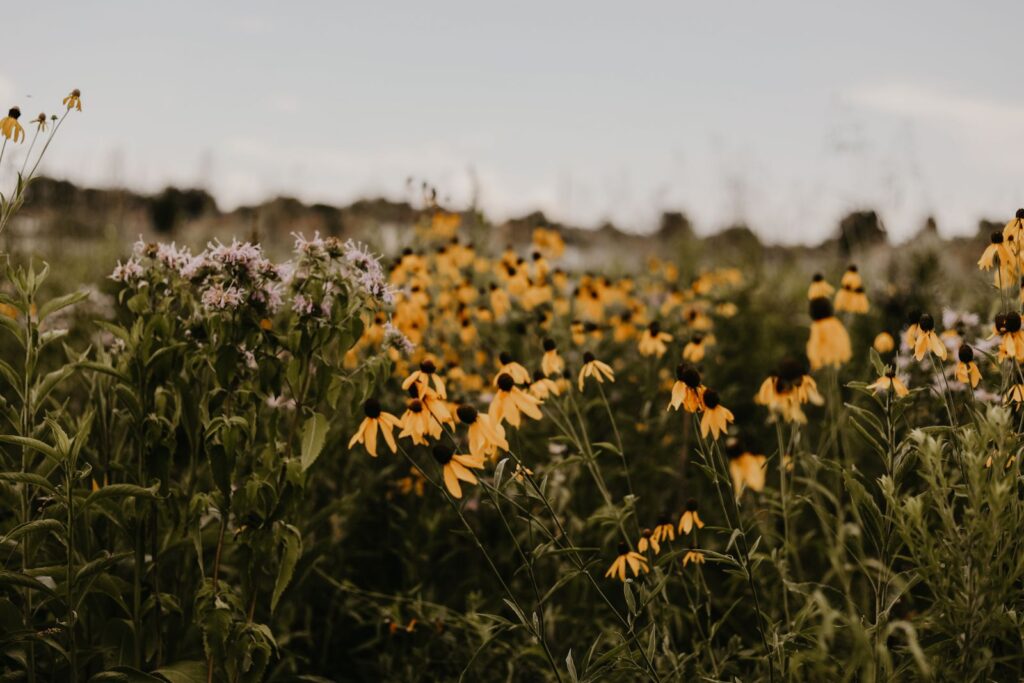
You don’t have to redo everything at once. Swap one thirsty bed for native plants, add a rain barrel, start a compost pile. Each change makes the next one easier, and the yard gets lower-maintenance as it goes.
Key Takeaways
- Watering is where most yards waste resources. Drip lines, mulch, and climate-suited plants cut it sharply.
- Test your soil before adding fertilizer, even natural ones. Many garden soils already have more phosphorus than plants need.
- Start small, watch what works, and adjust each season.
Understanding Sustainable Landscaping
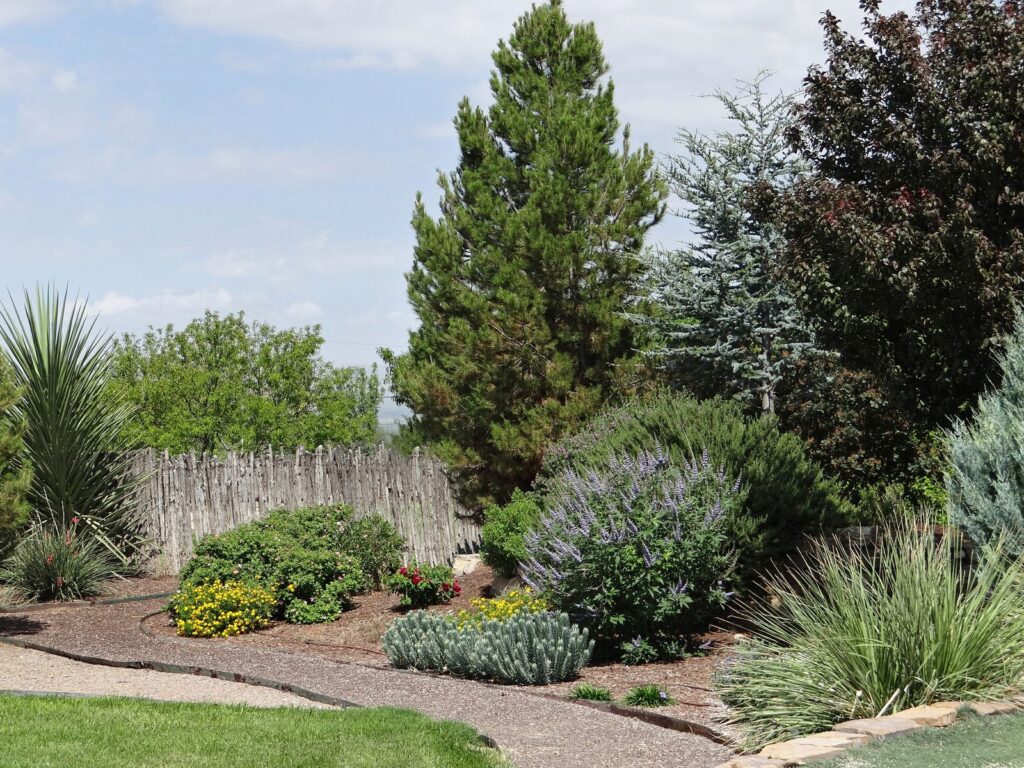
Sustainable landscaping means designing a yard that works with your local climate instead of against it. It uses water and materials efficiently, restores some habitat, and cuts the chemicals and runoff that leave your property.
Principles of Sustainability
Conserve water with efficient irrigation and drought-tolerant plants. Favor plants native to your area, since they need less maintenance and fewer chemicals. Feed the soil with compost and protect it with mulch.
Use trees to save energy, too. The U.S. Department of Energy recommends tall deciduous trees on the south side of a house for summer shade, lower trees on the west to block afternoon sun, and dense evergreens on the north and northwest as a winter windbreak. Even shading your air conditioner can make it up to 10% more efficient. For paths and walls, choose recycled or locally sourced materials.
Environmental Benefits
A sustainable yard supports more life. Native plants feed insects, which feed birds, and the whole garden becomes a habitat that attracts pollinators like bees and butterflies. Fewer chemicals and less runoff mean less pollution reaching streams and storm drains.
Plants also store carbon and cool the air around them. Durable materials last longer, so less ends up in a landfill. And a yard that needs less water is better prepared for droughts and watering restrictions.
Planning Your Sustainable Landscape

Setting Clear Goals
Start with a short list of what you want. Saving water? Attracting wildlife? Growing vegetables? Then think about how you use the space: relaxing, entertaining, kids playing.
Turn each goal into an action. “Use less water” becomes “install a rain barrel and replace the thirstiest bed with drought-tolerant plants.” Specific steps are the ones that actually get done.
Analyzing Your Yard’s Ecosystem
Spend a few weeks watching your yard before you plant. Look at four things:
- Soil: a soil test shows pH and nutrients, which narrows down what will grow well.
- Sun: note which areas get full sun and which stay shaded.
- Water: after a heavy rain, see where water pools and where it runs off.
- Wind: exposed spots dry out faster and may need tougher plants or a windbreak.
Designing for Efficiency and Aesthetics
Choose plants that suit your climate so they don’t need extra water or soil amendments. Use companion planting to make the most of space, and favor low-maintenance plants over fussy ones. Mulch every bed to hold moisture and keep weeds down.
Edible plants like herbs or vegetables earn their space, and a raised bed keeps them tidy. Vary heights and textures so the garden looks good all season, not just in June.
Implementing Sustainable Practices
Soil Health and Management
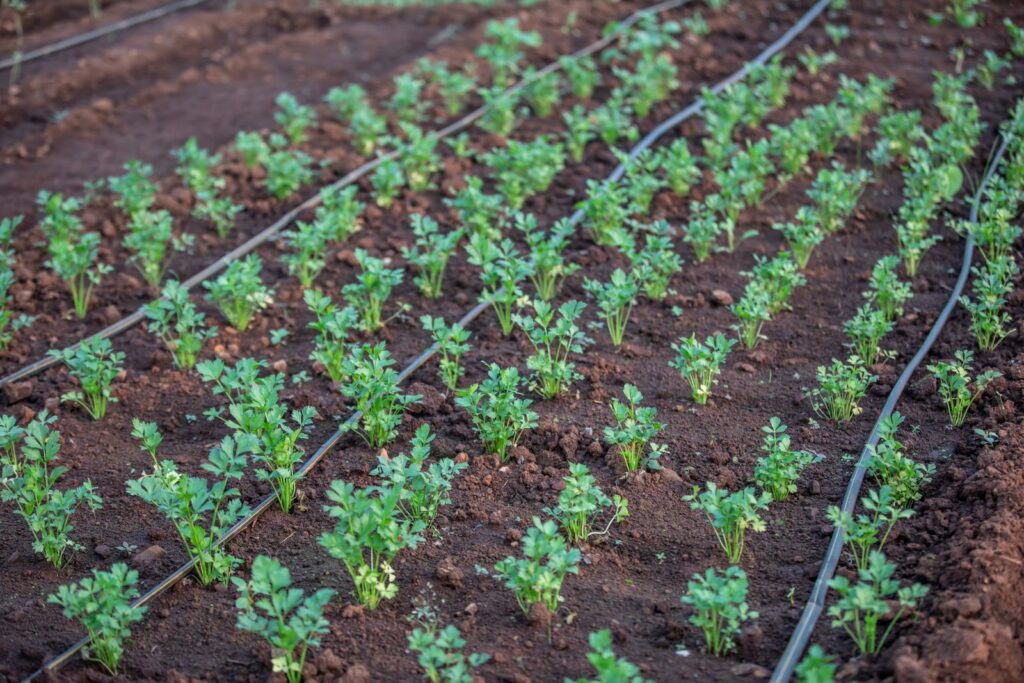
Healthy soil grows healthy plants with little or no fertilizer. Test it every few years for pH and nutrients, and adjust only what the test says is off.
Compost feeds the soil and helps it hold water. Mulch shields it from erosion and smothers weeds. In vegetable beds, crop rotation and cover crops keep the soil from wearing out.
Selection of Plants
Native plants suit your local climate and soil, so they need less water and care once established. In dry regions, add drought-tolerant plants. Perennials come back every year, so you aren’t buying and replanting each spring.
Group plants by their water, sun, and soil needs. That way you can water the thirsty bed without overwatering the drought-tolerant one next to it.
Before you buy, check your state’s invasive plant list, which the USDA’s National Invasive Species Information Center links to by state. Some garden-center staples, such as Japanese barberry, burning bush, and English ivy, spread into woods and wild areas.
Water Conservation Techniques
This is where the biggest savings are. According to the EPA’s WaterSense program, outdoor watering accounts for more than 30% of household water use on average, and as much as half of it is lost to wind, evaporation, and runoff from inefficient irrigation.
- Drip irrigation delivers water straight to the roots, so less evaporates.
- Rain barrels collect free water for the garden and lower your water bill.
- Xeriscaping designs the whole yard around minimal watering, using native and drought-tolerant plants.
- Mulch holds moisture in the soil, so you water less often.
- Water early in the morning, deeply and less often, so roots grow down instead of staying shallow.
Our water-saving garden design ideas go further for dry climates.
Shrink the Lawn
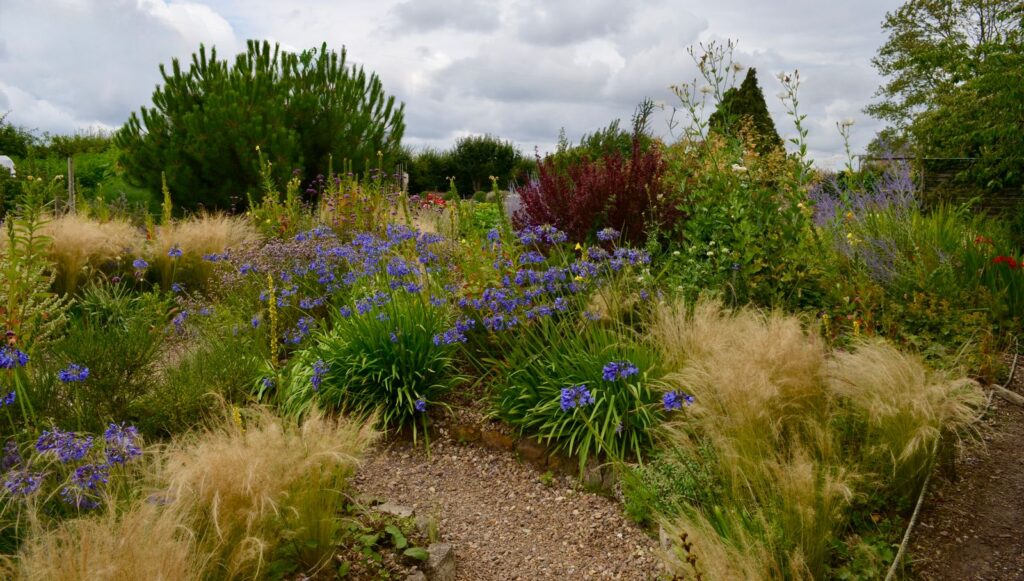
A lawn is usually the thirstiest planting in a yard. In Utah’s dry climate, Salt Lake County estimates that a 1,000-square-foot lawn needs about 15,000 gallons of water a year to stay green. Keep the grass you actually walk and play on, and replace the rest with native beds or a small meadow. Start with the spots that are hardest to mow or water, such as slopes and the narrow strips along paths and driveways.
Catch Rain Where It Falls
Rain that runs off roofs and driveways carries fertilizer, oil, and soil into storm drains. A rain garden keeps it on your property. It’s a shallow, planted dip that collects runoff from a downspout and lets it soak in within a day or two, so it doesn’t stay wet long enough to breed mosquitoes. Use plants that handle both wet spells and dry ones, and if you have a basement, UConn Extension advises keeping the garden at least 10 feet from the house. The EPA’s Soak Up the Rain program covers the basics.
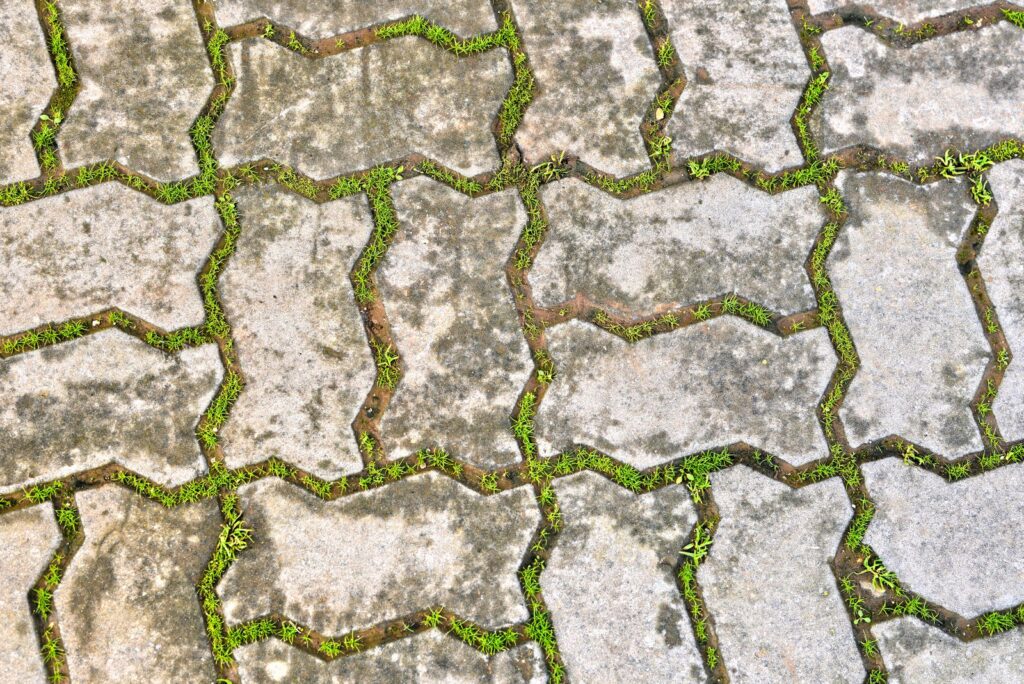
Permeable paving does the same job underfoot. Gravel, pavers set with open joints, and porous concrete let water through instead of shedding it, and the EPA notes they also filter out pollutants. Use them for paths and patios. Our hardscaping guide compares materials.
Natural Pest Control
A garden with plenty of predators rarely needs pesticides. Ladybugs, lacewings, and spiders eat pests, and birds eat more. Plant insectary plants, such as dill, yarrow, and alyssum, to keep those helpers around. Companion plants such as marigolds may help deter some pests too.
Healthy plants resist pests better, so good soil and the right plant in the right spot do much of the work. Clear out diseased plants before problems spread.
Maintaining Your Landscape Sustainably
Regular Care and Natural Treatments
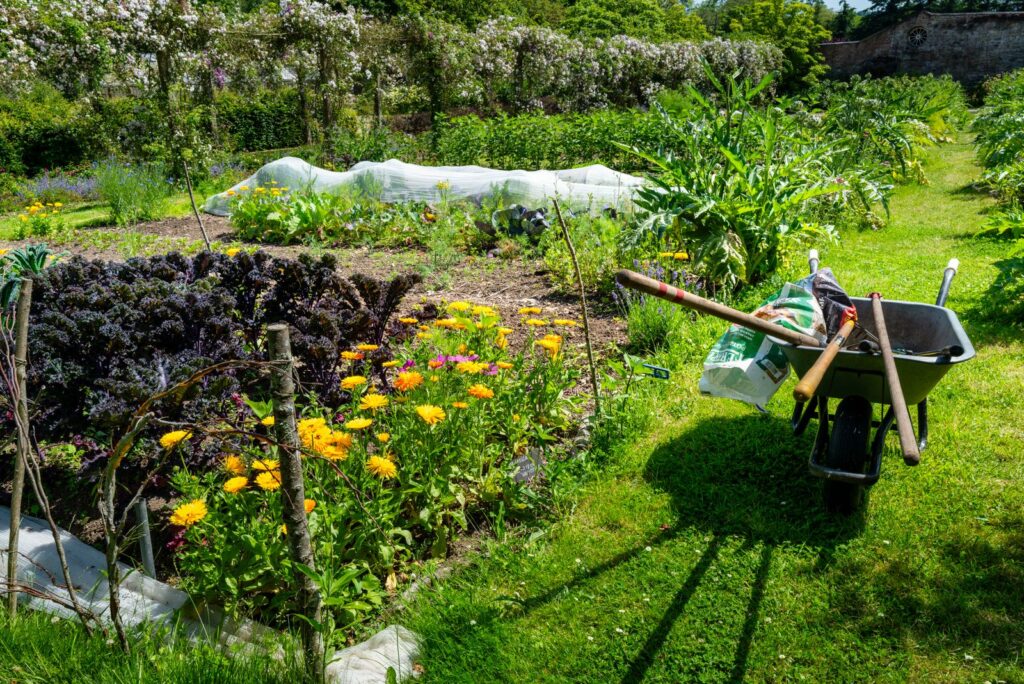
Trim plants regularly, pull weeds before they set seed, and remove dead or diseased growth. Mulch with shredded leaves or bark to keep moisture in and weeds out, which cuts both watering and weed killer.
When pests do get out of hand, reach for the mildest option first. Neem oil and garlic spray are gentler than synthetic pesticides, but neem is still a pesticide and can harm beneficial insects it lands on, so spray in the evening when bees aren’t foraging.
Natural fertilizers like coffee grounds or bone meal aren’t automatically harmless. Bone meal is mostly phosphorus, and Washington State University Extension notes that garden soils often already test high in it. Too much can block the beneficial root fungi plants rely on and wash into waterways. Add it only if a soil test shows a shortage.
Composting and Recycling Organic Waste
Composting turns kitchen and yard waste into free soil food. Vegetable peels and eggshells, mixed with leaves and grass clippings, break down into compost that improves soil structure and cuts the need for fertilizer.
Layer greens and browns in a bin or pile and turn it every week or two to speed things up. Everything you compost is something that doesn’t go to a landfill. For methods from hot piles to worm bins, see Compost Like a Pro.
Measuring Impact and Making Adjustments
Monitoring Environmental Changes
Keep simple notes through the year so you can see what’s working:
- Soil: retest pH and nutrients every few years.
- Water: compare your summer water bills year to year.
- Plants: note which ones struggle, and why.
A soil moisture sensor or weather-based irrigation controller takes the guesswork out of watering. It skips cycles when the soil is still wet or rain is coming.
Adapting to Climate and Seasonal Variations
Every season needs small adjustments. Check that drainage works before the rainy season. Top up mulch before summer heat. Choose plants that can handle both your wettest and driest months. Our guide to seasonal landscaping covers what to do when.
Fall brings leaves, and you don’t have to bag them all. Shredded leaves make free mulch for beds. Watch how your yard handles each year’s weather and adjust your routine to match.
Frequently Asked Questions
What is sustainable landscaping?
A way of designing and caring for a yard that works with your local climate: native and climate-suited plants, healthy soil, efficient watering, and few chemicals. The result needs less water and upkeep and supports more wildlife.
What is the easiest way to start?
Pick one change, like mulching your beds or replacing one thirsty bed with native plants. Each change is cheap, and each makes the next one easier.
Are native plants really low maintenance?
Once established, usually yes, because they’re adapted to local rain and soil. They still need regular watering for the first year or so while their roots grow.
What is a rain garden?
A shallow, planted dip that catches runoff from a roof or driveway and lets it soak into the ground instead of running into storm drains. It holds water for a day or two after rain, not permanently.
Does sustainable landscaping cost more?
Some changes, like drip irrigation or permeable paving, cost money up front. Lower water bills and less fertilizer and mowing can pay that back over time, and many changes, like mulching and composting, cost almost nothing.