The fastest way to a low-maintenance garden is to stop fighting your conditions. Pick plants that already suit your climate and the light and soil you actually have, and most of the hard work disappears. Below are those checks in order, followed by design and care tips and where to find advice for your exact area.
Key Takeaways
- Look up your hardiness zone on the current USDA map. It was updated in 2023, so your zone may have changed.
- Your yard has its own microclimates. Match each plant to its spot, not just to your zone.
- Native plants are the safest bet for low care and wildlife value. Avoid invasives, even popular ones like butterfly bush.
Understanding Your Climate
Hardiness Zones Explained
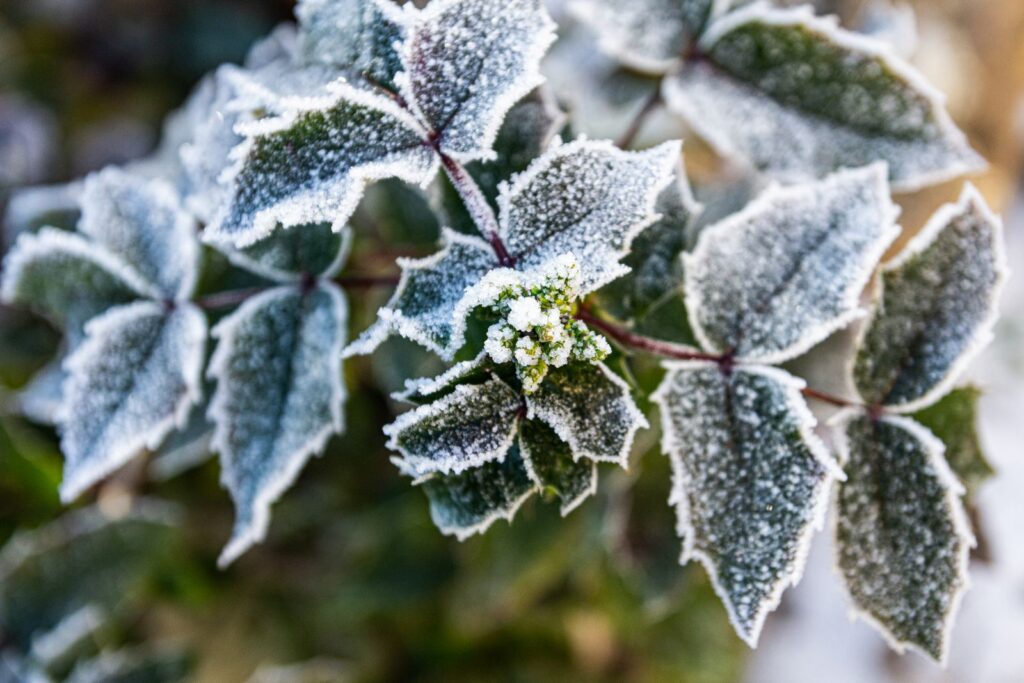
The USDA Plant Hardiness Zone Map sorts the country by its average coldest winter temperature. Each zone covers a 10°F range, split into “a” and “b” half-zones of 5°F. A plant rated for Zone 5, for example, should survive winter lows down to -20°F.
The USDA released an updated map in November 2023, and many areas shifted half a zone warmer. If you last checked years ago, enter your ZIP code again. Remember that zones only measure winter cold. Summer heat, humidity, and rainfall matter too, which is why a plant that’s hardy in your zone can still struggle in a hot, dry summer.
Microclimates Within Your Garden
Your yard isn’t one climate. A bed against a south-facing wall soaks up heat and may let you grow something a half-zone tender. The low corner where cold air pools gets frost first. The ground under a big tree stays shady and dry. Walk the yard and note these spots, because they decide what will thrive where.
Sunlight and Shade Management
Track the sun across a full day, ideally in summer when trees are leafed out. Plant labels use these rough definitions:
- Full sun: 6 or more hours of direct sun. Tomatoes, roses, and sunflowers need it.
- Part sun or part shade: about 3 to 6 hours.
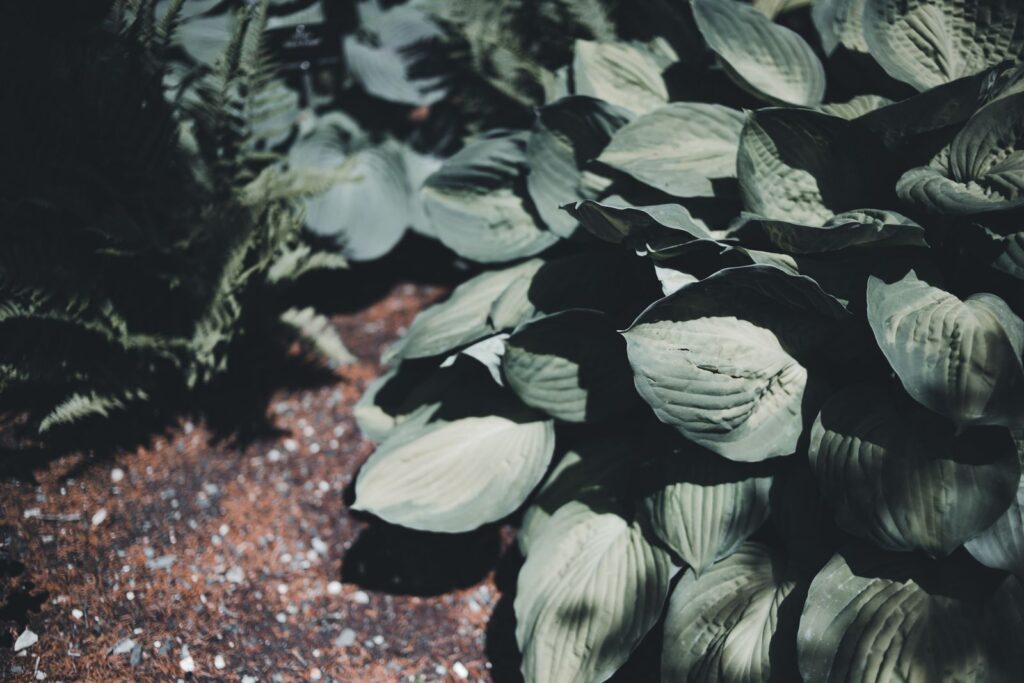
- Shade: less than 3 hours. Hostas and ferns are happy here.
Selecting the Right Soil
Identifying Your Soil Type
Most garden soil is sandy, clay, silt, loam, or a mix. Clay is dense and holds water. Sand drains fast and dries out. Loam sits in between, which is why most plants love it.
Try the squeeze test: grab a handful of moist soil and squeeze. If it falls apart, it’s sandy. If it forms a sticky ball that holds its shape, it’s clay. If it holds together loosely and then crumbles, you have loam.
Soil Preparation Techniques
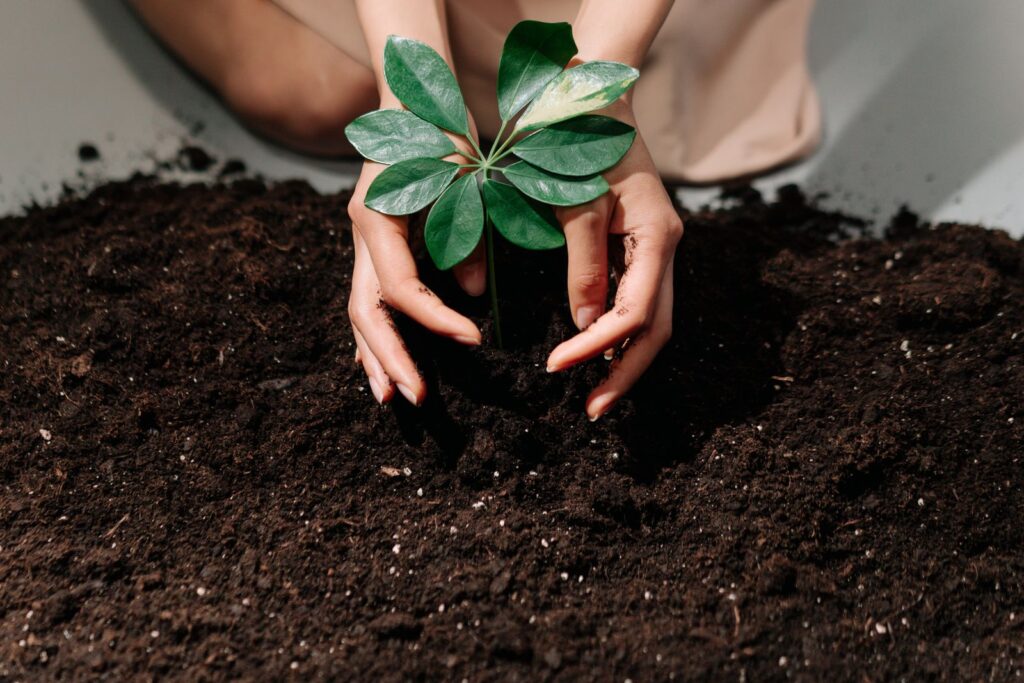
Clear weeds and rocks, loosen the soil with a spade or fork, and mix in compost. Compost is the fix for both extremes: it helps sandy soil hold water and helps clay soil drain. It also makes nutrients easier for roots to reach.
Improving Soil Fertility
Compost and well-rotted manure add nitrogen, phosphorus, and potassium slowly and naturally. Before buying fertilizer, get a soil test through your county extension office. It tells you your pH and what’s actually missing, so you don’t pay for nutrients your soil already has. If you do fertilize, follow the label, since more is not better.
Choosing Suitable Plants
Plants for Every USDA Zone
Check every plant tag for its zone range, and make sure your zone falls inside it. Cold zones favor tough conifers like junipers and spruce. The warm South can grow crape myrtle and southern magnolia. Some plants, like daylilies, handle nearly every zone, which is part of why they’re so popular.
Shade-lovers like hostas and ferns belong in the low-light spots you mapped earlier, and sun-lovers in the open. Putting a plant in the wrong light is the most common reason it sulks.
Water Needs and Drought-Tolerant Varieties
Succulents, lavender, and many native grasses get by on very little water once established. Most perennials need regular watering in dry spells. Group plants with similar needs so you can water each bed the right amount. In dry climates, see our ideas for water-saving garden design and desert landscaping.
Creating Aesthetic and Functional Garden Designs
Incorporating Trees and Shrubs
Trees and shrubs are the bones of a garden. They add height and shade, and a row of them screens out wind and noise. Native species usually grow better with less care. Evergreen shrubs keep the structure going in winter.
Utilizing Perennials and Annuals
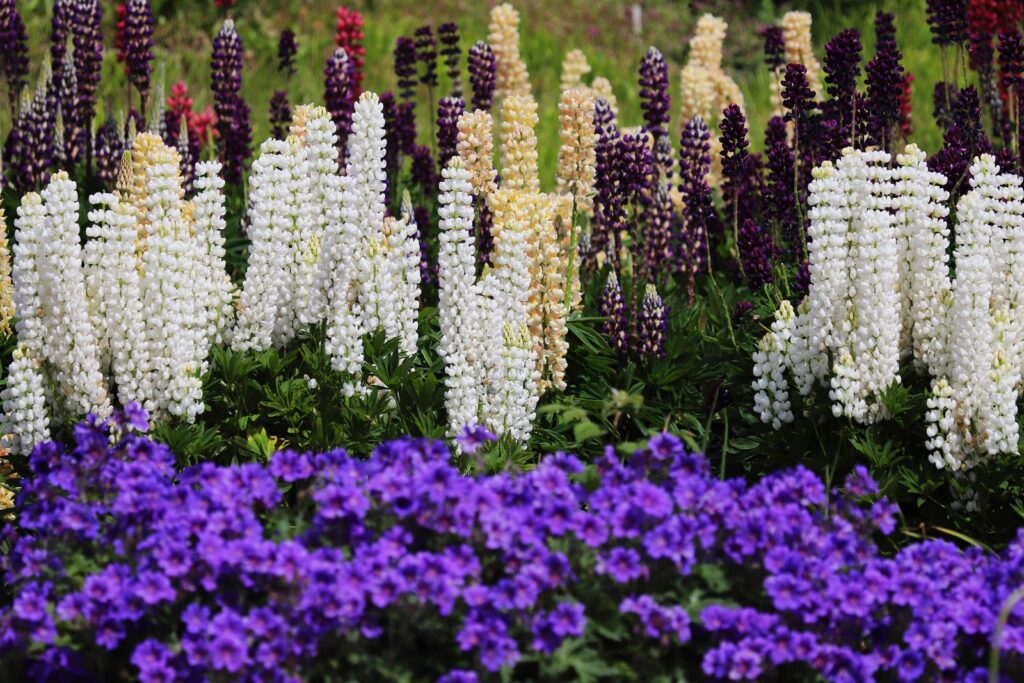
Perennials come back every year, so they’re the backbone of a flower bed. Mix early and late bloomers to keep color going. Annuals like petunias and marigolds fill gaps, work well in pots, and let you try something new each season. Our seasonal landscaping guide shows how to plan blooms for every month.
Designing with Ground Cover and Ornamental Grass
Ground covers fill in where mowing is awkward, shade out weeds, and hold moisture. Creeping thyme suits sunny spots and creeping phlox brings a sheet of spring color. Ornamental grasses add movement and winter seed heads. Blue fescue stays small and tidy, and native little bluestem turns copper in fall.
Specialty Gardens
Edible Gardens: Fruits, Vegetables, and Herbs
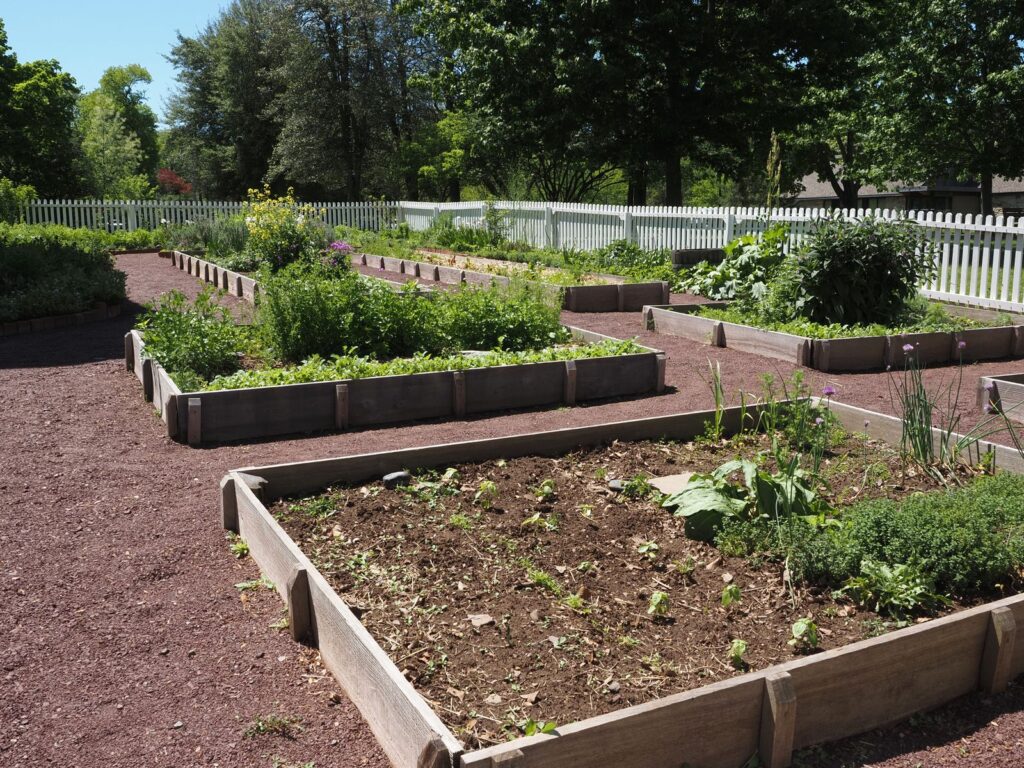
Edible gardens pay you back. Strawberries, blueberries, and raspberries are easy fruits. Tomatoes, peppers, and lettuce are reliable vegetables. Basil and parsley are simple herbs, though plant mint in a pot, since it spreads aggressively. Give them full sun and rich soil, in the ground or in raised beds.
Flower Gardens Featuring Roses and Hydrangeas
Roses want full sun, well-drained soil, and regular feeding and pruning, and they reward it with months of bloom. Hydrangeas prefer part shade and moist soil. With bigleaf hydrangeas, soil pH even sets the flower color: acidic soil turns them blue, alkaline soil pink.
Creating a Habitat with Native Nectar Plants
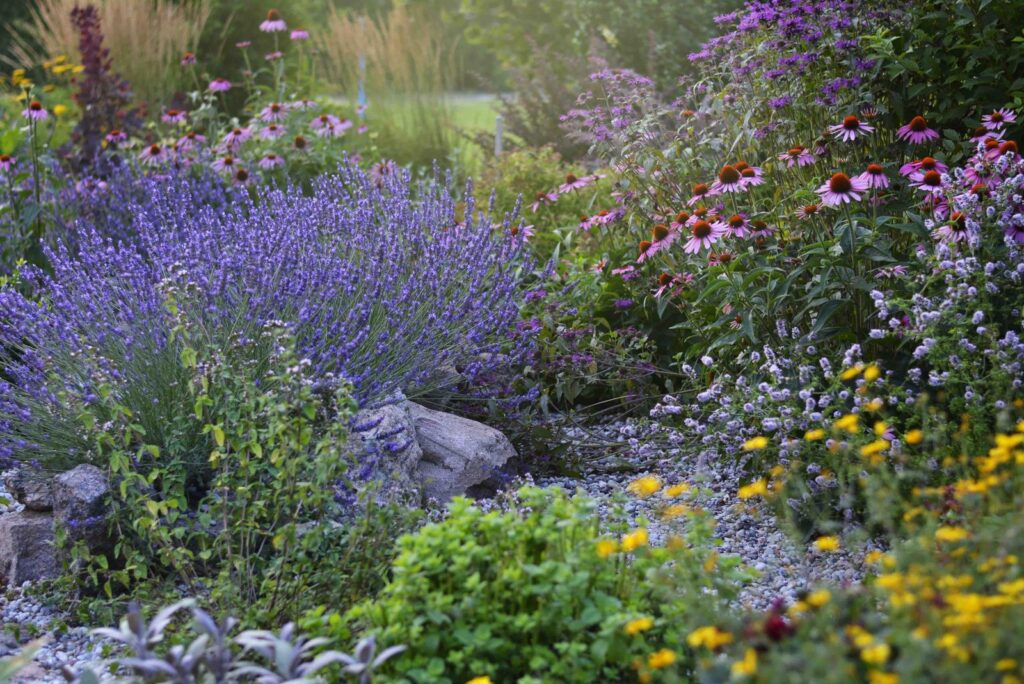
For butterflies and bees, plant natives that feed both adults and caterpillars. Bee balm, coneflowers, asters, and goldenrod supply nectar, and milkweed is the only plant monarch caterpillars can eat.
Skip butterfly bush. Adult butterflies visit it, but native caterpillars can’t feed on it, and it spreads aggressively by seed. Washington State University Extension notes it’s a listed noxious weed in Washington and Oregon. The National Wildlife Federation’s Native Plant Finder ranks native plants by how many butterfly and moth species they support in your ZIP code. For more, see our guide to wildlife-friendly gardens.
Plant Care and Maintenance
Pruning Techniques for Healthy Growth
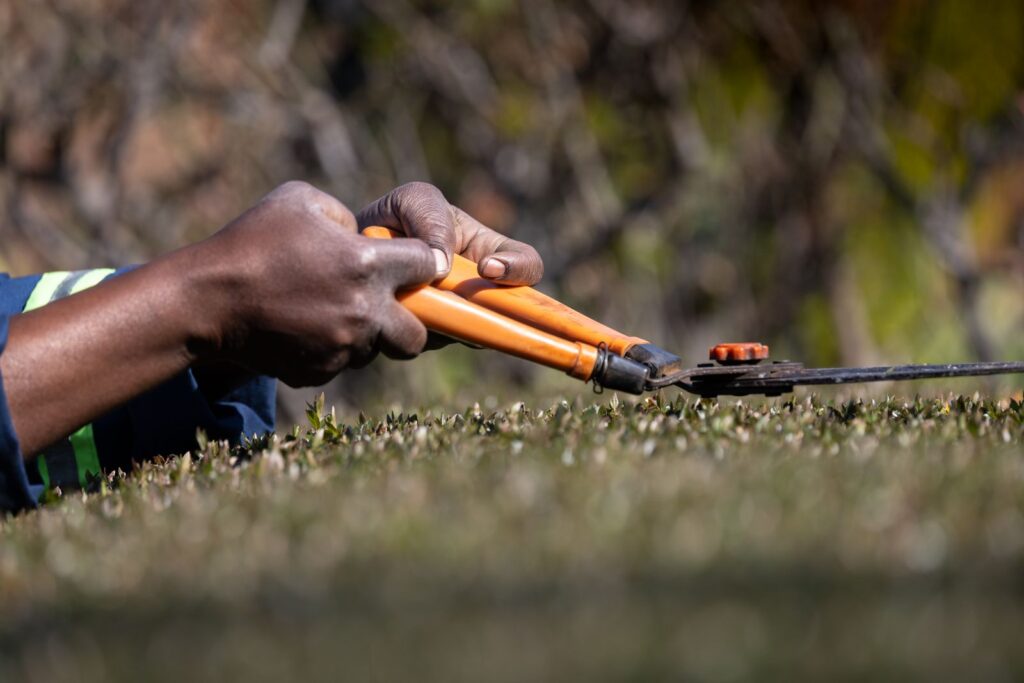
Use clean, sharp tools and cut just above a bud or side branch. Prune most trees and shrubs while they’re dormant in late winter, but prune spring bloomers like lilac and forsythia right after they flower, or you’ll cut off next year’s buds. Dead or broken branches can come off any time.
Irrigation and Water Conservation
Check the soil before you water. If it’s damp an inch or two down, wait. Drip lines and soaker hoses put water at the roots and waste far less than sprinklers. A layer of wood chips or straw keeps the soil moist and cool, and a rain barrel gives you free water for the garden.
Dealing with Pests and Diseases
Walk the garden often so you catch problems early. Remove diseased leaves and stems as soon as you spot them. Encourage ladybugs and other predators rather than spraying. If you do need a spray, start with the mildest option, and remember that even neem oil can harm beneficial insects, so apply it in the evening. This step-by-step approach is called Integrated Pest Management (IPM).
Where to Get Local Plant Advice
General guides only go so far. For advice tuned to your exact area, these free resources are hard to beat:
- Your county extension office: soil testing, plant recommendations, and pest identification, often run through a land-grant university.
- Master Gardener volunteers: trained locals who answer questions at plant clinics and help lines.
- Native plant societies and botanical gardens: plant sales, workshops, and gardens where you can see mature plants before you buy.
Keep a simple garden journal too. Note what you planted, where, and how it did. After a couple of seasons, it becomes the best guide to your own yard.
Exploring Plant Varieties
Exotic and Unusual Plant Choices
Tropical plants can make a garden stand out, but check hardiness first. Bird of paradise, known for its striking flowers, only survives outdoors in frost-free areas. Elsewhere, grow tropicals in containers you bring inside for winter, or treat them as annuals. Canna and elephant ears give a tropical look in colder zones if you dig up and store the roots each fall.
Succulents and Medicinal Plants
Succulents store water in their thick leaves, so they need little care. Aloe vera and jade plant are tender, though, and live outdoors only in warm, frost-free climates. In colder areas, grow them as houseplants and choose hardy succulents like sedum and hens-and-chicks for the garden.
Lavender and chamomile are easy, useful herbs. They’re grown for teas and sachets, and they look good in a sunny bed.
Promoting Biodiversity with Native Species
Native plants feed and shelter local wildlife, and they usually need less water and fewer chemicals because they’re adapted to your climate and soil. Coneflowers and milkweed are easy North American starters. Planting natives is one of the simplest ways to make a yard support more life.
Frequently Asked Questions
What plants thrive in both extreme heat and extreme cold?
Russian sage and yarrow are two of the toughest. Both handle cold winters and hot, dry summers, which makes them good choices where temperatures swing widely.
How do I choose plants that are suitable for my garden’s hardiness zone?
Look up your zone by ZIP code on the USDA Plant Hardiness Zone Map, then buy plants whose tag lists a zone range that includes yours. In a sheltered or exposed spot, adjust by about half a zone.
What are some factors to consider when selecting plants for a drought-prone area?
Choose plants adapted to dry conditions, like succulents, lavender, and native grasses. Check that the soil drains well, group plants by water needs, and mulch to hold moisture.
Which plants are best suited for a coastal climate?
Coastal plants need to handle salt spray and wind. Sea thrift is a reliable choice. On the West Coast, beach aster is a native option, and on the East Coast, seaside goldenrod is.
What are the top plant species recommended for urban environments?
City gardens deal with pollution, reflected heat, and tight space. Ornamental grasses and compact shrubs like boxwood cope well, and containers make the most of small patios and balconies. See how to heatwave-proof your yard if summers get extreme.
How can I find plants that will grow well in my region’s soil and light conditions?
Start with a soil test from your county extension office and a day of watching the sun. Then match plants to what you found. Your extension office and local native plant society can both suggest plants proven in your area.