
Most landscaping projects are well within reach of a homeowner with a free weekend and a few basic tools. A new garden bed, a gravel path, or a fire pit can change how a yard looks and works without paying for a crew. This page gives you the short version of each project, the safety rules that apply, and links to our step-by-step guides when you’re ready to build.
Start with one project, finish it, and let the yard tell you what it needs next. If money is tight, our guide to backyard landscaping on a budget shows where to begin, and these weekend projects each fit into a Saturday and Sunday.
Key Takeaways
- Plan on paper first: measure the yard, map sun and slopes, and set a budget.
- Call 811 before you dig for posts, paths, or ponds, so buried utility lines get marked.
- Know when to stop: retaining walls over about 4 feet usually need a permit and an engineered design.
Planning Your Landscape Design
Assessing Your Outdoor Space
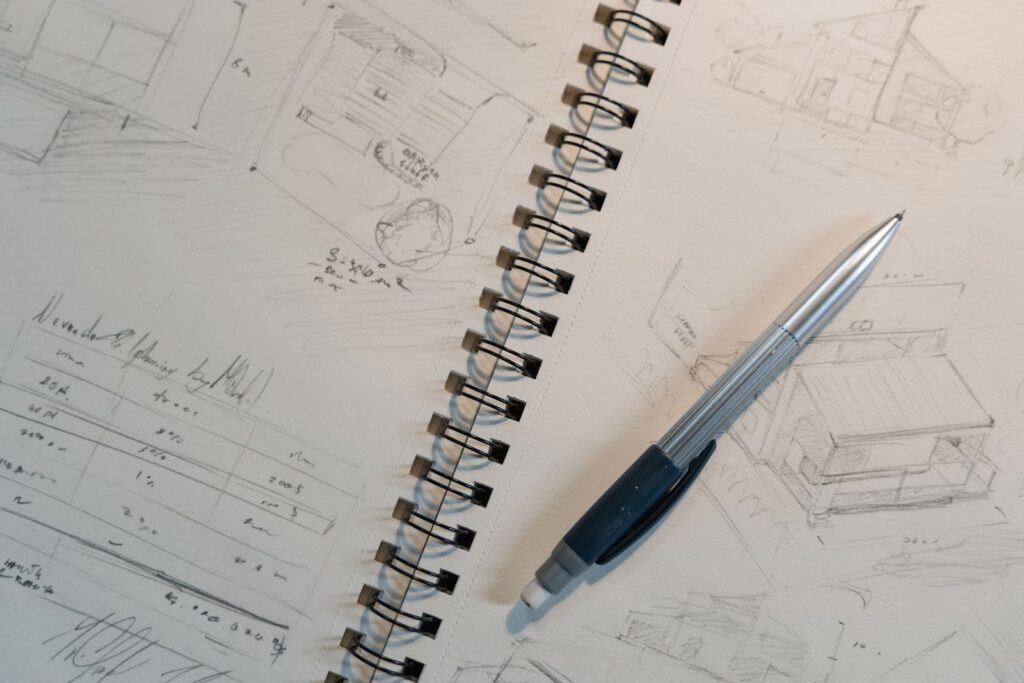
Measure the yard and sketch it on graph paper, marking slopes, trees, and where water pools after rain. Track sun and shade through the day. Then decide what the space is for and set a budget before you buy anything.
Before you dig anywhere, call 811, the free national call-before-you-dig line. A few days later, crews mark buried gas, power, and water lines, so a fence post or pond doesn’t hit one.
Choosing the Right Plants
Native plants suit your climate and soil, so they need less water and care, and they feed local bees and butterflies. Mix trees, shrubs, and ground covers for structure and texture. Our guide on how to choose plants for your climate covers zones and soil in detail.
Landscape Design Principles
Keep things in proportion to the house and the yard. Give the eye somewhere to land, like a birdbath, a bench, or a specimen tree. Paths and lighting tie areas together and make the yard safer to walk at night.
Garden Features
Starting With Garden Beds
A bed with a clean edge makes any yard look cared for. Outline it with a hose, cut the edge with a spade, and border it with brick, stone, or steel edging to keep grass out. Raised beds are even easier to manage. See our DIY raised garden bed ideas.
Incorporating Potted Plants and Planters
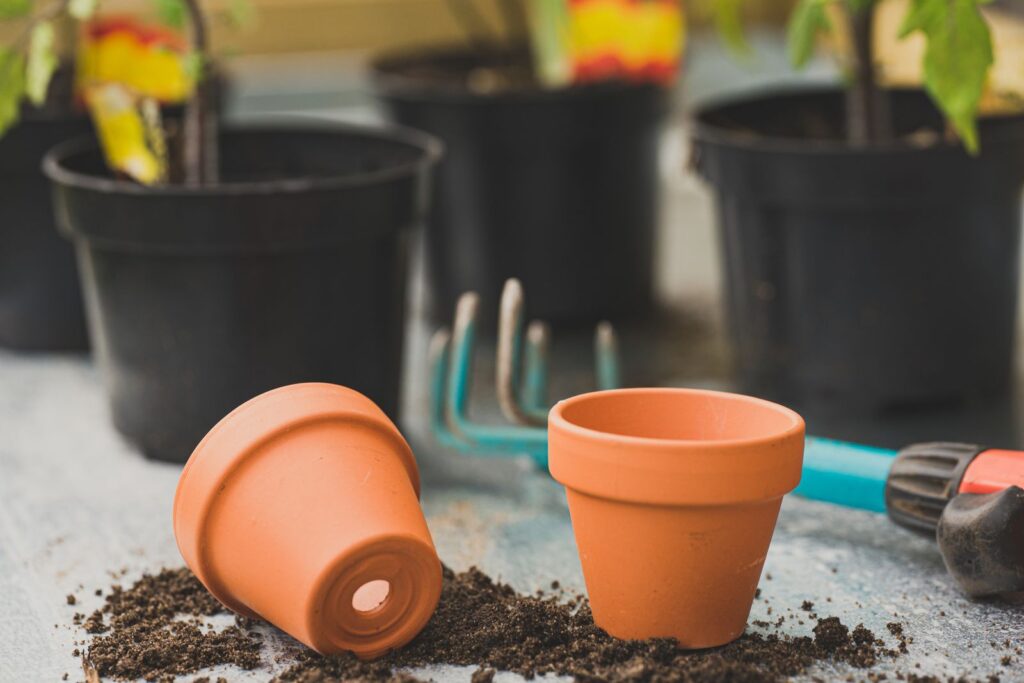
Pots let you garden without digging, and you can move them to follow the sun. Clay looks classic but dries out fast. Glazed ceramic and plastic hold moisture longer. Whatever you choose, it needs a drainage hole.
Building a Flower Garden
Choose flowers for your climate and mix perennials with annuals. Plan bloom times so something is always flowering, then mulch to keep soil moist and weeds down. Our seasonal landscaping guide shows how to keep color going all year.
Creating an Herb Garden
Herbs want sun and good drainage, so a raised bed or large pots near the kitchen door work well. Basil, parsley, and rosemary are easy starters. Grow mint in its own pot, since it spreads by runners and takes over a bed. Harvest often and the plants keep producing.
Structures in the Landscape
Setting Up Trellises and Pergolas
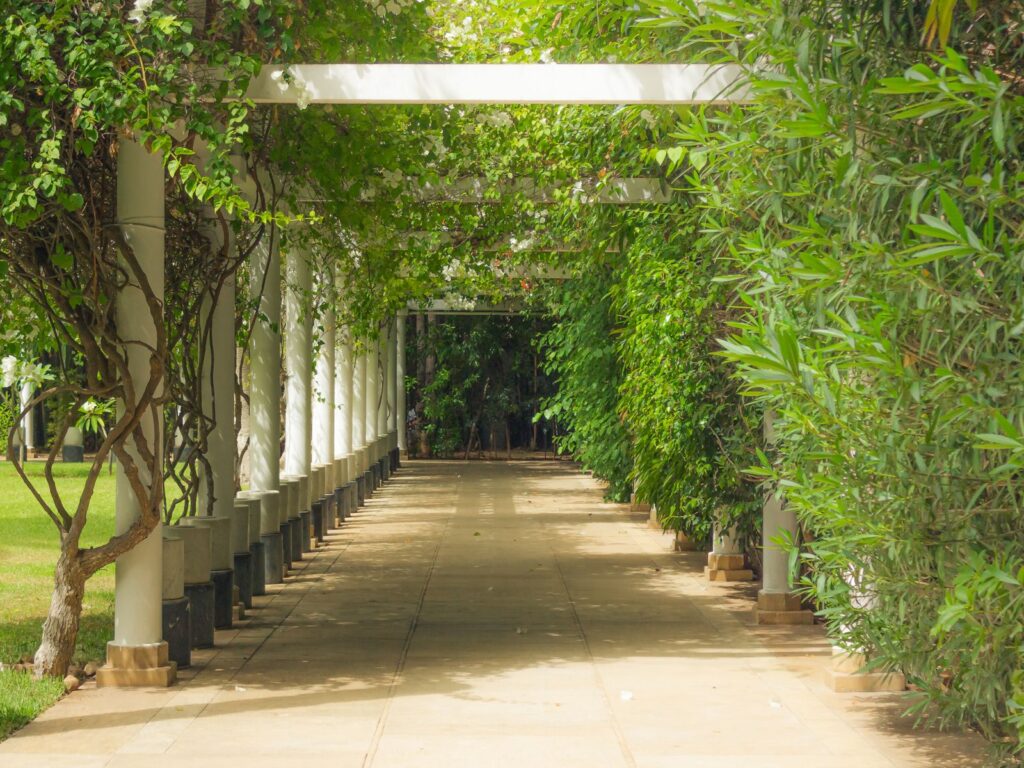
A trellis against a fence or wall lets climbers grow up instead of out. A pergola defines an outdoor room and gives partial shade. Set posts in concrete or on proper anchors, and choose climbers like clematis or climbing roses rather than English ivy, which is invasive in much of the country.
Constructing Paths and Walkways
Gravel is the cheapest and fastest path to build. Stone and brick last longer and look more finished. Wood chips suit a woodland garden but need topping up. Whatever you use, slope it slightly so water runs off instead of pooling. For ideas, see our easy DIY garden paths.
Adding Fences and Retaining Walls
Wood fences look classic, and vinyl and metal need less upkeep. Check your property line and any HOA rules before you set posts, and call 811 first.
Retaining walls turn a slope into usable flat ground, but they hold back a lot of weight. Low garden walls are a reasonable DIY job. Taller ones are not: many cities, including Portland, Oregon, require a permit and stamped engineering for walls over 4 feet, measured from the bottom of the footing. Walls holding up a driveway or other load may need one at a lower height. Check with your local building department before you start.
Creating Functional Areas
Designing a Patio or Deck
Patios sit on the ground and suit flat yards. Pavers, stone, and concrete are the usual choices, and pavers are the most DIY-friendly. Decks are raised, so they work on slopes, but they’re a bigger build and often need a permit. Size the space for the furniture you’ll actually put on it. Our guides to hardscaping essentials and outdoor living spaces go deeper.
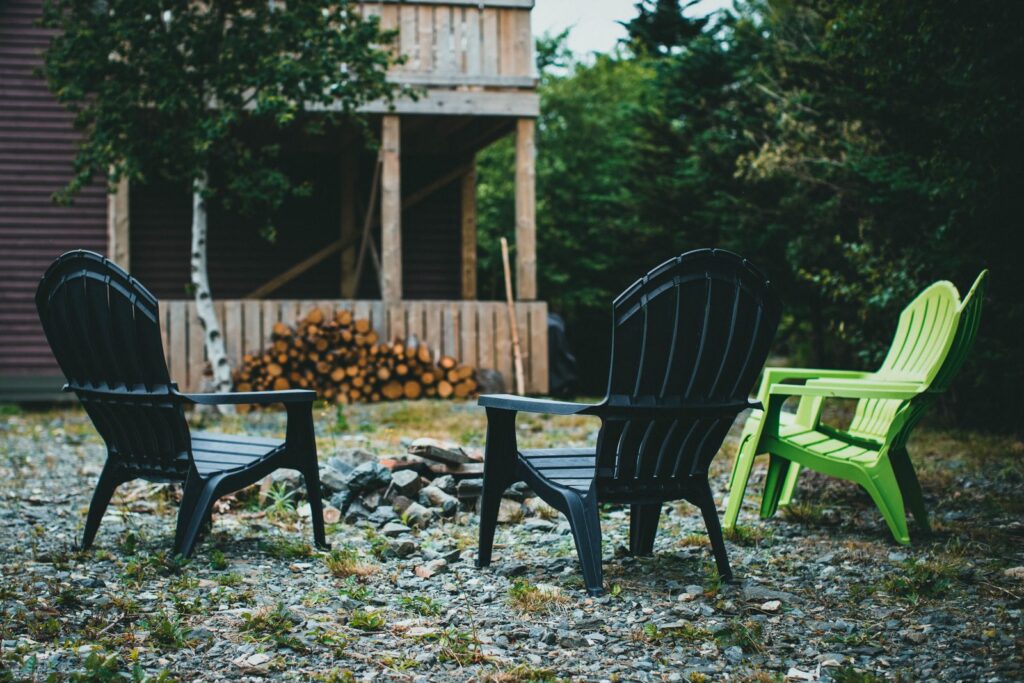
Building a Cozy Fire Pit Area
A fire pit can be a ring of stones, a block kit, or a portable steel bowl. Placement is the safety rule that matters most. The Kansas State Fire Marshal advises at least 10 feet from any structure or neighboring yard, and 25 feet if you have the room. Keep it out from under trees, set it on a non-combustible surface, and check your town’s burn rules. Some require a permit or ban wood fires on dry, windy days.
Ready to build one? Follow our step-by-step stone ring fire pit guide, or browse more DIY fire pit ideas.
Establishing Outdoor Seating
Plan seating for the number of people you usually host. Teak, aluminum, and all-weather wicker hold up outdoors. Arrange chairs close enough for easy conversation, and add shade with an umbrella, a pergola, or a tree. For eating outside, see our ideas for an outdoor dining area.
Water in the Landscape
Installing Water Features
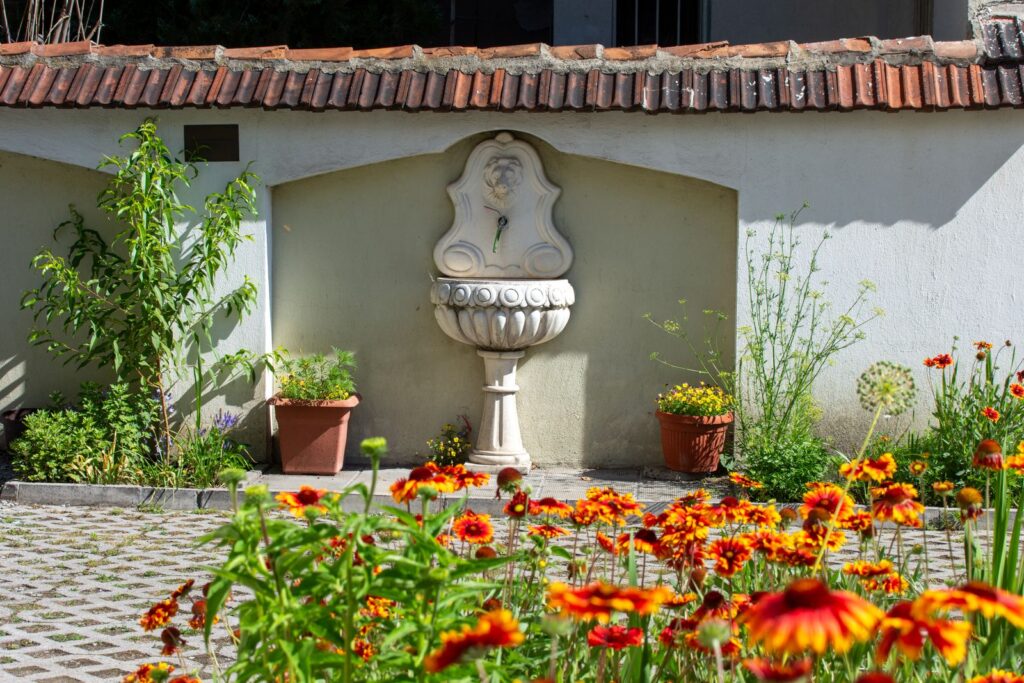
A self-contained fountain is the easiest water feature to add. It needs only an outlet and a level spot. Plug pumps into a GFCI-protected outdoor outlet, keep the water moving so mosquitoes can’t breed, and top it up in hot weather.
Creating Ponds and Water Gardens
A pond takes more work: a dug hole, a liner, a pump, and a filter. Water lilies shade the surface and slow algae, and submerged plants add oxygen. Koi or goldfish add color but need care year-round. Our water features guide covers installation and year-round care, including mosquito control.
Accessorizing Your Yard
Enhancing Curb Appeal
The front yard gets judged in seconds. Crisp lawn edges, a fresh layer of mulch, a clear path to the door, and a pair of planters by the entrance do most of the work. See our curb appeal upgrades for more.
Decorating With Yard Art
A few pieces of yard art add personality: a sculpture, wind chimes, a birdbath, painted rocks. Place them along paths or in beds where they’ll be discovered, and stop before it looks cluttered. One good piece beats ten small ones.
Utilizing Outdoor Lighting
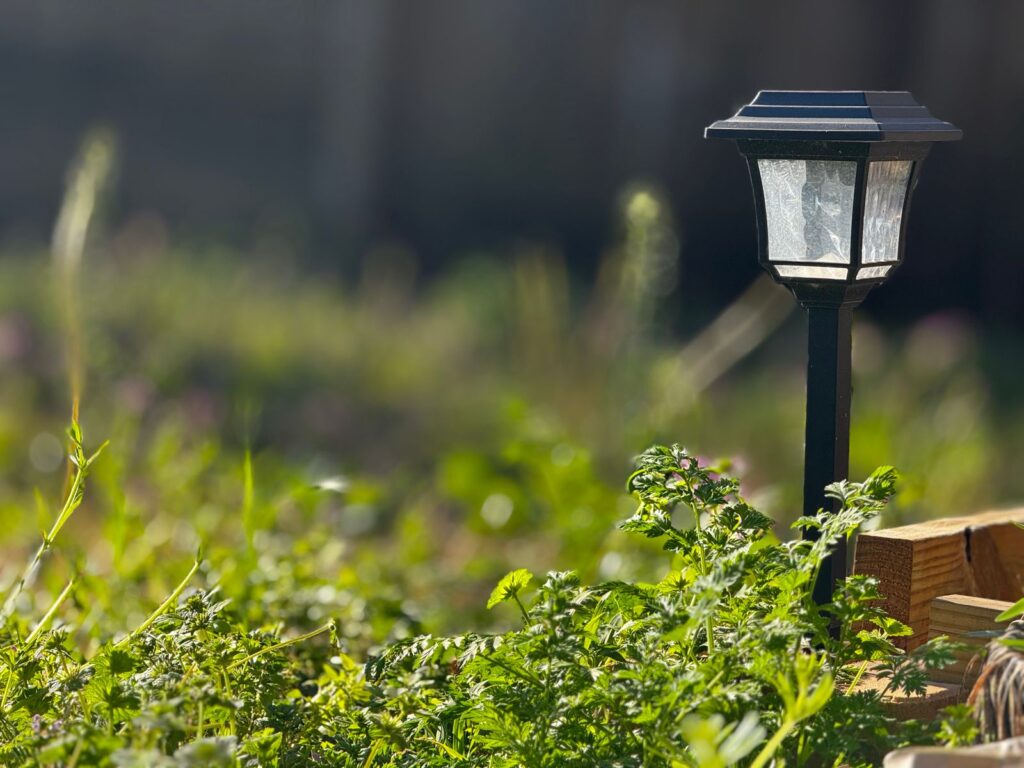
Path lights prevent trips, spotlights show off a tree or a wall, and string lights make a patio feel like a room. Solar lights are the easiest to install, with no wiring at all, though they’re dimmer than low-voltage systems.
Low-Maintenance Landscaping
Choosing Low-Maintenance Plants
Native plants, tough perennials like lavender, and ornamental grasses need little once they’re established. Ground covers such as sedum and creeping thyme fill bare soil, crowd out weeds, and cut down on mowing. Mix textures and colors so low-maintenance doesn’t mean boring. For the front yard, see our easy, low-maintenance front yard plants.
Incorporating Hardscaping Elements
Every square foot of patio, path, or gravel is a square foot you don’t have to mow. Replacing a patch of struggling lawn with pavers or gravel and a few planters is one of the fastest ways to cut yard work.
Applying Mulch for Weed Control
Spread 2 to 3 inches of mulch around shrubs, trees, and flower beds. It smothers weeds and holds moisture, then slowly breaks down and feeds the soil. Bark and straw are common, and shredded leaves and grass clippings are free. Keep mulch a few inches away from tree trunks and stems.
Landscaping for Small and Large Spaces
Ideas for Small Backyard Transformations
In a small yard, build up. Vertical gardens and trellises add green without using floor space. Pots let you rearrange as the sun moves. A small fountain gives a focal point, and an L-shaped bench with a little table turns a corner into a place to sit. Our small garden design guide has more.
Maximizing Large Yard Potential
A big yard works best divided into zones: dining, lounging, play, and growing. Connect them with paths so the yard feels planned rather than empty. Add raised vegetable beds, a fire pit circle, or a pond, and use hedges or fencing where you want privacy.
DIY Projects for Enhanced Landscaping
Building Raised Garden Beds
Raised beds warm up earlier in spring and save your back. Build a frame from untreated wood, brick, or metal, level it, and fill it with a mix of topsoil and compost. Lettuce, tomatoes, and basil all do well in them. For designs, see our creative raised bed ideas.
Crafting Your Own Walkways
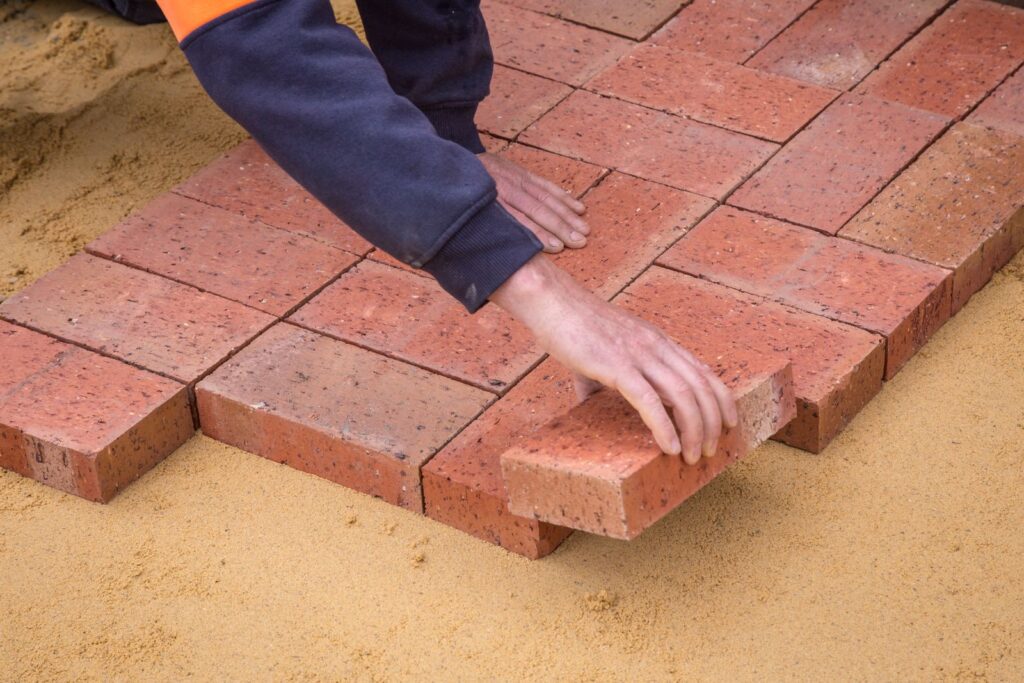
Mark the route, strip the grass, and dig out a few inches. Add a compacted gravel base and a layer of sand, then set your stones or bricks with even gaps. Creeping thyme between stepping stones softens the look. Our DIY walkway installation guide covers each step in detail.
Creating Vertical Gardens
Vertical gardens put bare walls and fences to work. Use a trellis, wall pockets, or a stacked planter, and anchor it securely. Herbs, succulents, and trailing flowers suit them. Small planters dry out fast, so a simple drip line saves a lot of watering.
Frequently Asked Questions
What are some simple DIY landscaping projects I can start with?
Edge and mulch your existing beds, add a pair of planters by the front door, or lay a short stepping-stone path. Each takes an afternoon and makes an immediate difference.
How can I landscape my yard on a budget?
Work in small sections, reuse old bricks and stone, divide perennials instead of buying new ones, and choose native plants that need less water. Ask your town about free mulch, and make your own compost with a DIY compost bin.
What are some cost-effective DIY backyard landscaping ideas?
Gravel paths, rock gardens, and raised beds built from reclaimed materials all cost little. Replacing a patch of struggling lawn with gravel and planters also saves on water and mowing.
Can you suggest DIY landscaping ideas for the front of my house?
Edge the lawn, refresh the mulch, put matching planters at the entrance, and add path lights to the walkway. A low border or edging around the beds makes everything look finished.
What are the steps to beginning a landscaping project from scratch?
Measure and sketch the yard, decide what you want to use it for, and set a budget. Call 811 before digging, clear weeds and debris, then build hardscape like paths and patios before you plant.
How Can I Design My Backyard Layout Myself?
Measure the space and sketch it to scale on graph paper or with a free online planner. Mark sun and slopes, then block out zones for seating and gardens. Walk the layout with stakes and string before you build anything.