
To protect plants from extreme heat, water deeply in the early morning, mulch the soil, and give the most tender plants some afternoon shade. Just as important is what not to do: don’t fertilize, prune, or plant new things during a heat wave, and don’t drown a plant just because it droops at 3 p.m. Here’s how to tell real trouble from normal heat stress, and what to do about each.

Is It Heat Stress or Thirst?
Many plants wilt in the hottest part of the day even when the soil is moist. The leaves droop to cut down on water loss, and they perk back up when it cools off. NC State Extension notes that wilting between noon and 4 p.m. that recovers by early evening is a normal heat response, and that watering already-moist soil can starve the roots of oxygen.
Check before you water. Push a finger into the soil up to the second knuckle. If it’s damp, wait. If it’s dry, water deeply. Wilting that lasts into the evening or the next morning, crispy brown leaf edges, and yellowing lower leaves all point to a plant that really is short of water.
How to Protect Plants From Extreme Heat
1. Water Deeply in the Early Morning
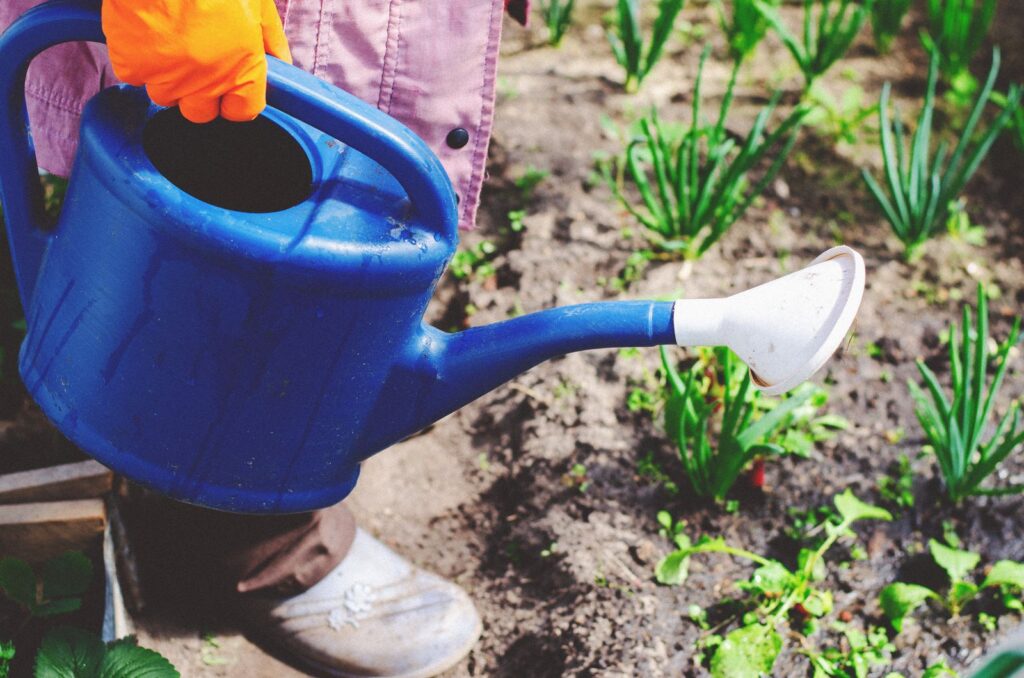
Water before the day heats up, so the moisture soaks in before the sun can evaporate it. Water at the base of the plant, not over the leaves, and water long enough to wet the soil at least 6 inches down, as Oregon State University Extension recommends. NC State Extension recommends a deep watering two or three times a week over light daily sprinkles, which keep roots shallow. A soaker hose or drip line does this well. Pots are the exception: in a heat wave, small containers may need water every day.
2. Mulch the Soil
A 2 to 3 inch layer of shredded bark, wood chips, straw, or shredded leaves keeps the soil cooler and slows evaporation. Keep it a couple of inches away from stems and trunks. Mulch works best laid down before a heat wave arrives, on soil that has just been watered.
3. Give Tender Plants Afternoon Shade
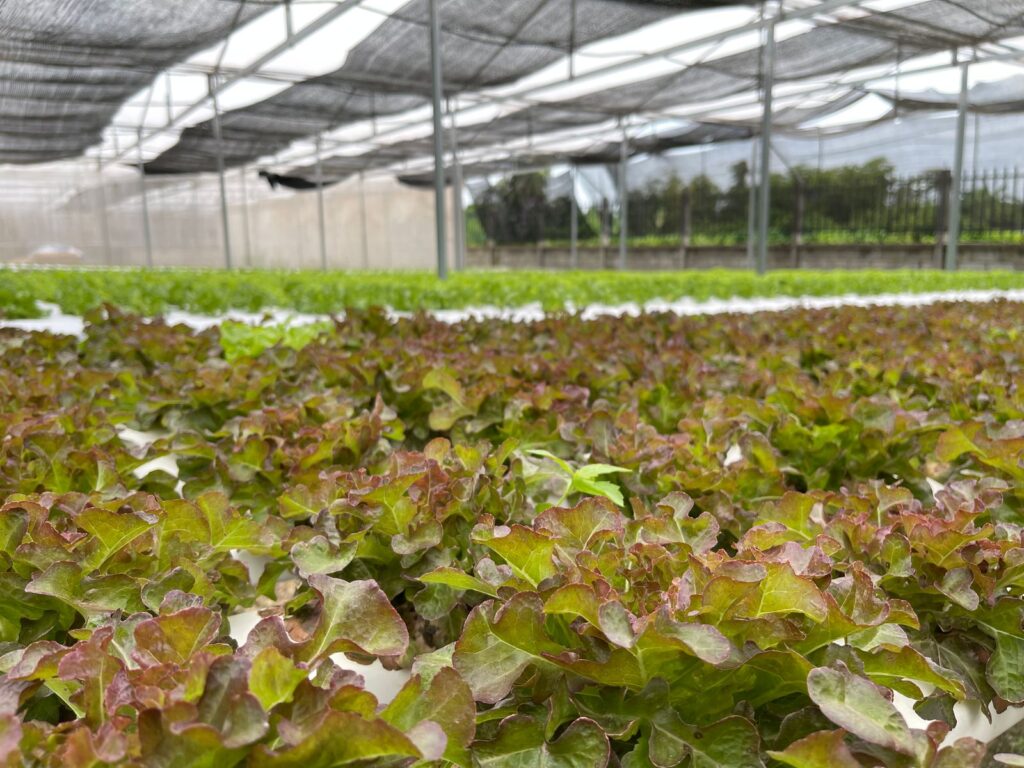
Lettuce, spinach, and anything recently planted benefit from shade during the hottest hours. A light shade cloth, around 30 to 50 percent, stretched over hoops or stakes cuts the sun without blocking airflow, and Oregon State Extension notes it can be up to 10 degrees cooler underneath. An old sheet, a patio umbrella, or a piece of lattice on the west side works in a pinch. Leave space above the plants so hot air can escape, and take temporary covers off once the heat breaks.
4. Move and Group Containers
Pots heat up much faster than garden soil, and dark pots in full sun can get hot enough to damage roots. Move containers into afternoon shade, against an east-facing wall, or under a tree. Grouping them shades the sides of each pot, and a saucer under each one holds a little extra water.
5. Hold Off on Fertilizing, Pruning, and Planting
Fertilizer pushes new growth that the plant can’t support in the heat. Pruning opens up the canopy and can expose bark and fruit to sunscald. New plants have no roots to speak of yet. Oregon State Extension advises waiting until the heat passes for all three.
6. Don’t Panic About Blossom Drop
Tomatoes, peppers, and beans often drop their flowers in a heat wave. University of Minnesota Extension explains that when days stay above 85°F and nights above 70°F, tomato plants become stressed and their flowers are harder to pollinate. Keep watering evenly, and the plants will set fruit again once nights cool down.
7. Go Easy on the Lawn
Raise the mower blade so the grass shades its own roots, and water deeply and less often instead of a little every day. Cool-season lawns such as bluegrass and fescue may turn brown and go dormant in a long heat wave. That’s how they survive it, and they usually green up again when rain and cooler weather return. Don’t fertilize a lawn in the middle of a heat wave.
Plants That Handle Heat Well
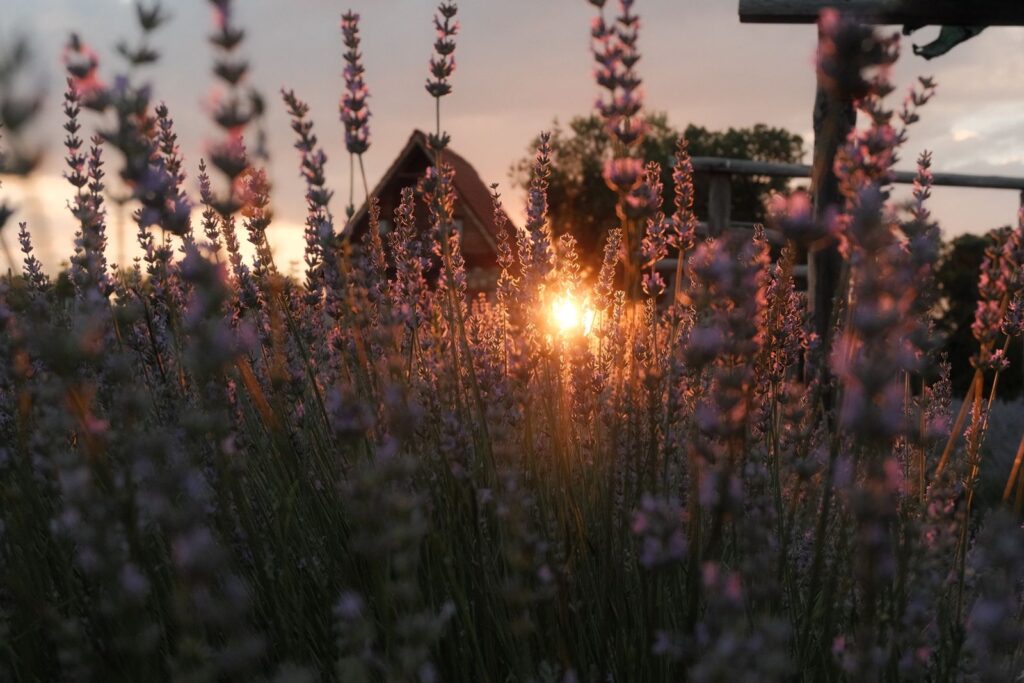
The easiest way to get through hot summers is to grow plants that like them. Natives suited to your region are the best starting point, since they’re adapted to your local summers. Mediterranean herbs such as rosemary, thyme, sage, and lavender are built for heat, and so are yarrow, coneflower, and black-eyed Susan. Agave, yucca, and sedums need very little water once established. In the vegetable garden, okra, sweet potatoes, peppers, eggplant, and southern peas keep producing when lettuce and spinach have long since bolted.
For help matching plants to your climate, see our guide to choosing plants for your climate. If you live somewhere hot and dry year-round, our water-saving garden design ideas and desert landscaping guide go further.
Long-Term Heat and Drought Protection
- Put drip lines on a timer so beds get a deep early-morning soak even when you’re away.
- Work compost into the soil each year. Soil rich in organic matter holds more water.
- Group plants by how much water they need, so thirsty vegetables don’t force you to overwater drought-tolerant shrubs.
- Plant shade where you need it. A tree or a trellis of vines on the west side of a bed takes the edge off afternoon sun.
Frequently Asked Questions
What temperature is too hot for plants?
It depends on the plant, but many garden vegetables struggle once days stay above about 85 to 90°F, especially when nights stay above 70°F. Cool-season crops like lettuce and spinach suffer sooner, while okra, peppers, and most succulents handle much more.
Should I water plants every day during a heat wave?
Not plants in the ground. A deep watering two or three times a week encourages deeper roots than a light daily sprinkle. Containers are different and may need water every day. Check the soil with your finger first either way.
Should I water wilting plants in the afternoon?
Only if the soil is dry. Many plants droop in the midday heat even when the soil is moist, and they recover by evening. Watering wet soil can harm the roots.
Does mulch help plants in extreme heat?
Yes. A 2 to 3 inch layer of organic mulch keeps the soil cooler and slows evaporation. Spread it before a heat wave, on freshly watered soil, and keep it a couple of inches from stems.
What shade cloth percentage is best for a vegetable garden?
Around 30 to 50 percent suits most vegetables. It takes the edge off the afternoon sun while letting through enough light for the plants to keep growing.